
Delta Air Lines Tightens First-Class Access for Elite Members in 2026, Despite Frozen Status Thresholds
Breaking airline news and aviation industry updates for 2026.

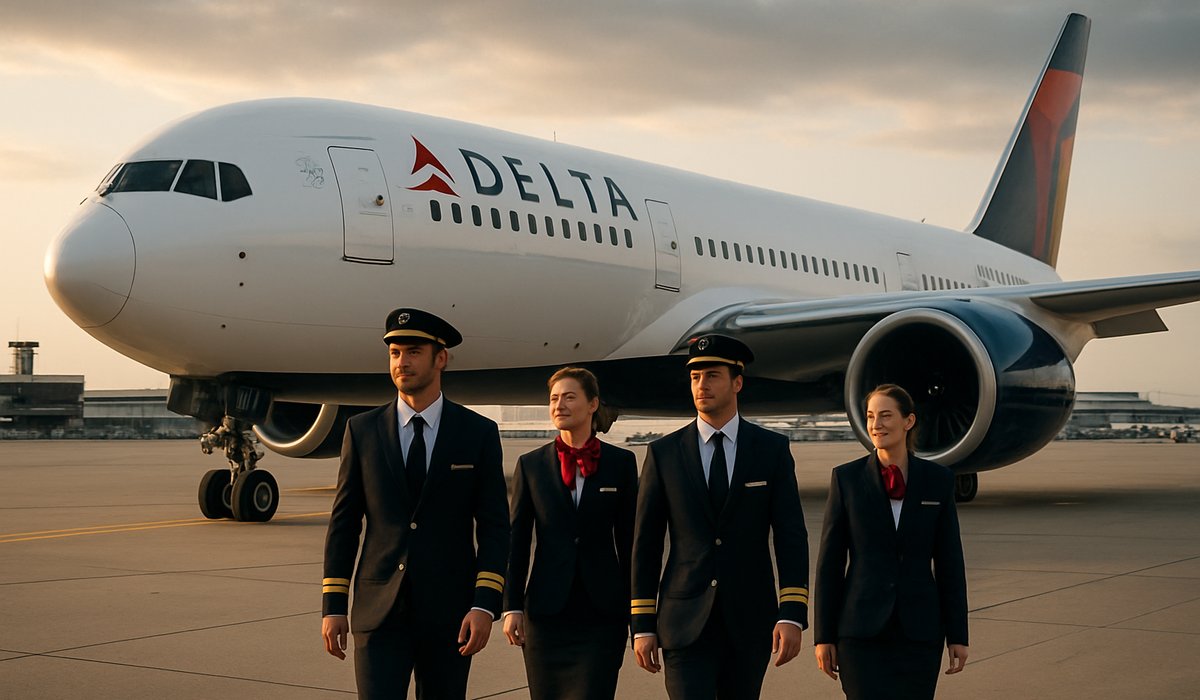
Image generated by AI
Delta Air Lines Tightens First-Class Access for Elite Members in 2026, Despite Frozen Status Thresholds
Loyalty program overhaul creates paradox: easier qualification paths but harder upgrade availability
Status Requirements Remain Unchanged Amid Industry Consolidation
Delta Air Lines is holding the line on elite membership qualification costs for 2026, maintaining Medallion Qualifying Dollar (MQD) thresholds that have defined its loyalty tier system for years. Silver members will continue requiring $5,000 in annual spending, Gold $10,000, Platinum $15,000, and Diamond—the carrier's most exclusive tier—$28,000.
While the stability appears beneficial on the surface, industry observers warn the frozen requirements mask a more troubling reality: accessing premium cabin upgrades has become increasingly elusive despite holding elite status.
The Upgrade Crunch: Status Doesn't Guarantee Cabin Access
The contradiction at the heart of Delta's 2026 loyalty strategy reflects broader pressures facing major U.S. carriers. As premium cabin revenue has become critical to airline profitability—particularly amid volatile jet fuel prices and post-pandemic demand fluctuations—carriers have systematically restricted complimentary upgrade inventories.
For Delta's most loyal customers, this means achieving Platinum or Diamond status offers limited practical benefit when securing First-Class seats through elite upgrade certificates or standby upgrade lists. The carrier continues issuing upgrade instruments as status rewards, but their redemption success rates have deteriorated significantly.
Implications for the Airline Industry
Delta's approach mirrors strategies employed by competitors American Airlines and United Airlines, which have similarly constrained upgrade availability while maintaining or increasing elite status qualification requirements. The pattern reflects a fundamental shift in how carriers balance loyalty program costs against revenue optimization.
Industry analysts suggest this reflects airlines' growing dependency on premium cabin ancillary revenue, driven by narrowing profit margins and sustained pressure from elevated operating costs. As jet fuel prices remain volatile and labor agreements increase crew expenses, carriers increasingly view premium seat inventory as revenue-generating assets rather than loyalty program perks.
What Frequent Flyers Should Expect
Delta members eyeing upgrades for 2026 travel should anticipate heightened competition for premium cabin access. The airline's loyalty program now functions primarily as a qualification platform—offering priority on upgrade lists and boarding sequences—rather than guaranteeing cabin advancement on premium routes or peak travel periods.
The frozen MQD thresholds suggest Delta views its current status structure as sustainable, at least through 2026. However, the disconnect between easier elite qualification and harder practical benefits signals potential future adjustments to how the program delivers tangible value.
FAQ: Delta Elite Status and Upgrade Changes in 2026
Q: Are Delta's Medallion status requirements changing in 2026? A: No. Delta has maintained MQD thresholds at $5,000 (Silver), $10,000 (Gold), $15,000 (Platinum), and $28,000 (Diamond) for 2026.
Q: Why are upgrades harder to secure despite holding elite status? A: Airlines have systematically reduced complimentary upgrade inventory to maximize premium cabin revenue, a trend accelerated by volatile jet fuel prices and operational cost pressures.
Q: Should I still pursue Delta elite status if upgrades are difficult? A: Status still provides priority on upgrade lists, preferred boarding, and other benefits. However, guaranteed First-Class access through upgrades should not be expected.
Q: How does Delta's approach compare to American Airlines and United? A: All three major U.S. carriers have tightened upgrade availability while maintaining similar elite qualification structures, reflecting industry-wide revenue optimization strategies.
Q: What's driving these changes in airline loyalty programs? A: Rising jet fuel costs, labor agreement expenses, and pressure to boost ancillary revenue have made premium seat inventory increasingly valuable to carriers, reducing loyalty-based complimentary upgrades.
Related Travel Guides
Flight Delay Compensation Guide 2026
Understanding Airline Route Changes
Airport Security Process Updated (2026)
External Resources
Disclaimer
This article is for informational and educational purposes only. It does not constitute legal, financial, or professional advice. While we strive to provide accurate and up-to-date information, travel policies, regulations, and conditions change rapidly. Always verify information with official sources before making travel decisions. Nomad Lawyer makes no representations about the accuracy, reliability, completeness, or suitability of the information provided. Readers should consult qualified professionals for advice specific to their circumstances. The views expressed in this article are those of the author and do not necessarily reflect the views of Nomad Lawyer.
Preeti Gunjan
Contributor & Community Manager
A passionate traveller and community builder. Preeti helps grow the Nomad Lawyer community, fostering engagement and bringing the reader experience to life.
Learn more about our team →