
Critical Engine Shortage Strangling Global Aircraft Deliveries: LEAP Engine Delays Ripple Across Aviation Industry
Breaking airline news and aviation industry updates for 2026.

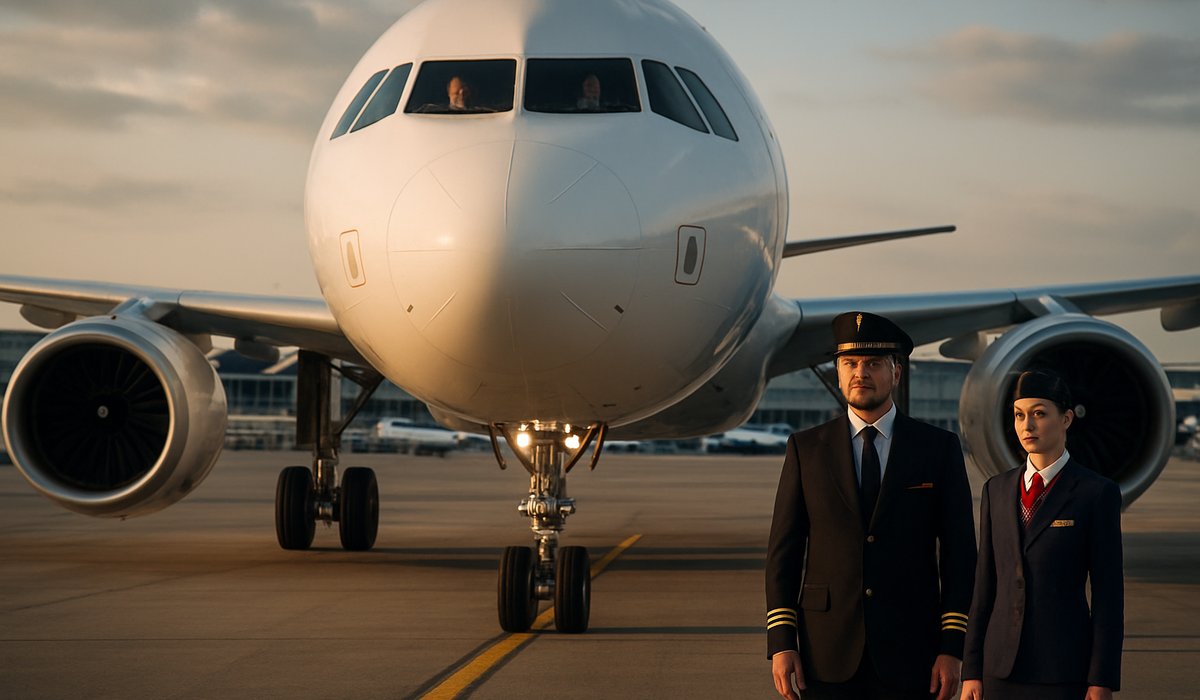
Image generated by AI
Critical Engine Shortage Strangling Global Aircraft Deliveries: LEAP Engine Delays Ripple Across Aviation Industry
A single French manufacturing facility has become the unexpected linchpin holding back thousands of new commercial aircraft, threatening airline fleet expansion plans worldwide
The Hidden Crisis Reshaping Aviation Supply Chains
While aircraft manufacturers and airline executives dominate headlines, an often-overlooked crisis is quietly constraining the global aviation industry's ability to meet soaring post-pandemic demand. The bottleneck centers on a single critical component: jet engines produced by CFM International, the Franco-American joint venture between GE Aerospace and Safran, whose production delays are now cascading through the entire commercial aircraft delivery pipeline.
The LEAP engine family—CFM's flagship powerplant—has become the de facto standard propulsion system for the world's two dominant narrowbody aircraft platforms: the Airbus A320neo and Boeing 737 MAX. Without adequate engine supply, neither manufacturer can complete and deliver aircraft to waiting carriers, creating a rare situation where engine production, rather than airframe assembly, has become the industry's primary constraint.
How One Component Became an Industry Chokepoint
The LEAP engine's prevalence across multiple aircraft platforms has inadvertently created a vulnerability in global aviation's supply chain architecture. Airlines operate roughly 40,000 narrowbody jets worldwide, with new aircraft on order predominantly configured with LEAP propulsion. When CFM International's French manufacturing facility faces production delays—whether from supply chain disruptions, labor challenges, or capacity limitations—the impact reverberates instantly across both Airbus and Boeing's delivery schedules.
This structural dependency underscores a critical lesson from post-pandemic aviation recovery: the industry's resilience depends less on assembling fuselages and wings than on securing specialized components from a limited number of specialized suppliers.
Global Implications for Airline Fleet Modernization
The engine shortage threatens to delay airline fleet expansion precisely when carriers are attempting to replace aging aircraft and meet rising passenger demand across Europe, Asia-Pacific, and North America. Delayed deliveries extend aircraft scarcity, keeping older, less fuel-efficient planes in service longer and preventing airlines from achieving their carbon reduction targets tied to modern, efficient engines.
For passengers, the consequences translate to continued capacity constraints, higher ticket prices, and extended wait times for seat availability. For airlines, delayed aircraft mean extended fleet modernization cycles and inability to capture market opportunities in growing routes.
What Comes Next
Industry observers expect CFM International's production challenges to persist through 2024-2025, with delivery delays potentially stretching into subsequent years depending on whether the manufacturer can successfully scale production or whether supply chain constraints prove more persistent than currently anticipated.
Frequently Asked Questions
Q: Why are aircraft engine delays more critical than airframe production delays? A: Aircraft cannot operate without engines, making engine supply the limiting factor in completing new planes. Airframe production is irrelevant if engines are unavailable for installation.
Q: How does the LEAP engine shortage affect airline ticket prices? A: Delayed aircraft deliveries reduce passenger capacity in the market, creating supply constraints that typically push ticket prices upward as demand exceeds available seating.
Q: Which airlines are most affected by these delivery delays? A: Any airline with pending orders for A320neo or 737 MAX aircraft faces delayed deliveries, including major carriers across Europe, Asia, and North America.
Q: Could airlines switch to different engines to avoid delays? A: The A320neo and 737 MAX are optimized for LEAP engines; retrofitting alternative engines would require extensive redesign and certification, making mid-production switches economically unfeasible.
Q: When will the engine supply situation normalize? A: CFM International must significantly expand manufacturing capacity; normalcy likely remains years away, depending on facility expansion and supply chain stabilization.
Related Travel Guides
Flight Delay Compensation Guide 2026
Understanding Airline Route Changes
Airport Security Process Updated (2026)
External Resources
Disclaimer
This article is for informational and educational purposes only. It does not constitute legal, financial, or professional advice. While we strive to provide accurate and up-to-date information, travel policies, regulations, and conditions change rapidly. Always verify information with official sources before making travel decisions. Nomad Lawyer makes no representations about the accuracy, reliability, completeness, or suitability of the information provided. Readers should consult qualified professionals for advice specific to their circumstances. The views expressed in this article are those of the author and do not necessarily reflect the views of Nomad Lawyer.
Kunal K Choudhary
Co-Founder & Contributor
A passionate traveller and tech enthusiast. Kunal contributes to the vision and growth of Nomad Lawyer, bringing fresh perspectives and driving the community forward.
Learn more about our team →