
Geopolitical Crisis Forces Global Airlines Into Expensive Flight Detours, Inflating Travel Costs
Breaking airline news and aviation industry updates for 2026.

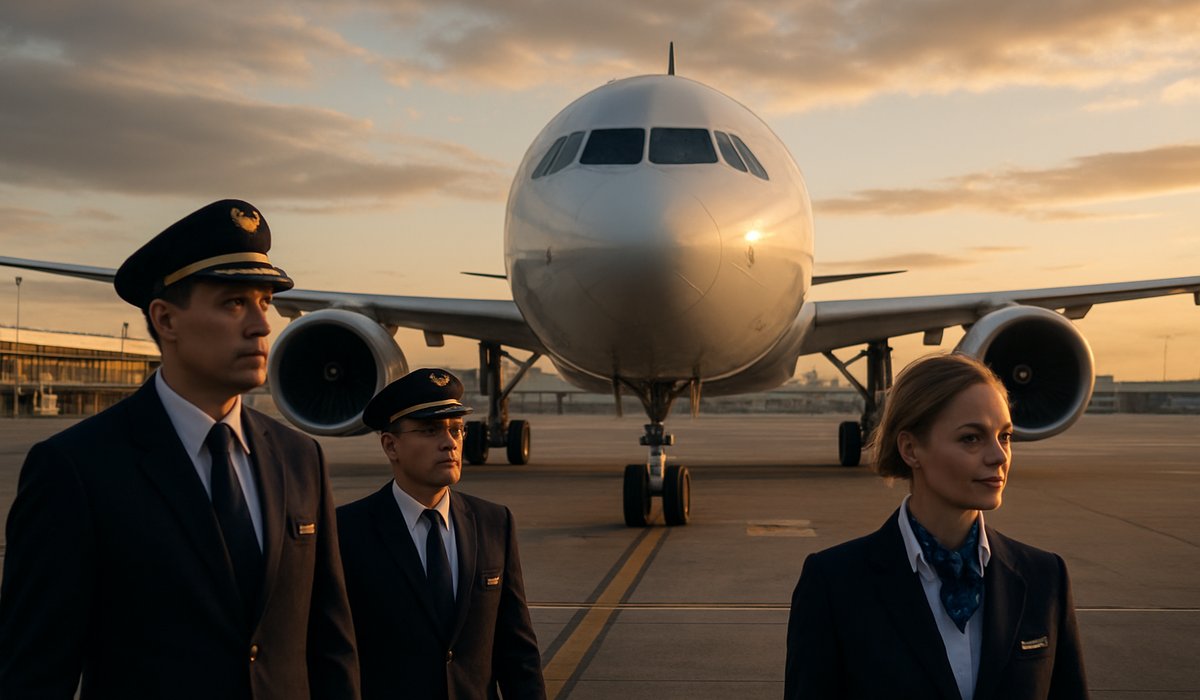
Image generated by AI
Geopolitical Crisis Forces Global Airlines Into Expensive Flight Detours, Inflating Travel Costs
Regional conflicts and airspace restrictions drive up jet fuel consumption and operational expenses across the aviation industry
Mounting Tensions Reshape International Aviation Routes
The world's airline industry faces an unprecedented operational squeeze as escalating geopolitical conflicts force carriers to abandon direct flight paths in favor of costly, fuel-intensive detours. Airspace closures spanning the Middle East, Russia, and adjacent regions have eliminated some of the most efficient corridors in global aviation, triggering a cascade of financial pressures that are beginning to ripple through airline economics and passenger fares.
Major international carriers operating between Europe, Asia, and the Middle East now navigate around restricted zones, adding hundreds of kilometers to critical long-haul routes. The compounding effect—longer flight times, increased jet fuel consumption, and elevated operational costs—has created a perfect storm for an industry already grappling with volatile energy markets and thin profit margins.
Surging Fuel Costs Compound Industry Pressure
Jet fuel prices, traditionally one of aviation's most volatile expenses, have climbed sharply as demand for longer routes intensifies. Airlines burning additional fuel on extended flight paths face exponentially higher per-journey costs, forcing carriers to reassess their operational budgets and pass expenses downstream to consumers.
The situation has prompted major global airlines to implement strategic route adjustments and, increasingly, to offset costs through expanded baggage charges, seat selection fees, and other ancillary revenue mechanisms. Some carriers have quietly introduced fuel surcharges on affected routes, signaling to passengers the direct link between geopolitical instability and ticket prices.
Widespread Airspace Restrictions Create Operational Bottleneck
Airspace closures affecting regions critical to international aviation have forced carriers into uncomfortable operational decisions. Routes that once connected major hubs directly now require significant diversions, consuming additional fuel and stretching crew duty times. Airlines operating on already-thin margins find themselves absorbing costs that cannot easily be passed to price-sensitive markets.
The aviation industry has long relied on predictable, efficient routing patterns across established corridors. The current fragmentation of accessible airspace represents a structural challenge rather than a temporary inconvenience—one that industry analysts warn could reshape airline profitability and network planning for years to come.
Broader Industry Implications
Smaller airlines and regional carriers face disproportionate impacts, lacking the financial cushion of major legacy carriers to absorb fuel surcharges and operational inefficiencies. Industry observers note that unless geopolitical tensions ease, the cost pressures will likely accelerate consolidation and force weaker operators out of competitive long-haul markets.
The cumulative effect extends beyond individual carriers: increased ticket prices, reduced route availability, and higher travel costs for consumers represent a significant shift in global aviation economics driven by factors entirely outside the industry's control.
FAQ: Geopolitical Tensions, Airlines & Travel Costs
Q: How are airline baggage charges and ancillary fees connected to jet fuel prices? A: As jet fuel costs rise due to longer flight routes caused by airspace closures, airlines increase ancillary revenue through baggage fees, seat selection charges, and other add-ons to offset operational expenses.
Q: Which airline routes are most affected by geopolitical airspace closures? A: Routes between Europe and Asia, Europe and the Middle East, and intra-Asian carriers face the most significant impacts, as these traditionally relied on direct corridors now restricted due to regional conflicts.
Q: Will airline ticket prices increase as a result of these detours? A: Yes—higher fuel consumption on extended routes directly translates to increased ticket prices, particularly on long-haul international flights passing through affected regions.
Q: How long could these airspace restrictions impact the airline industry? A: Industry analysts warn that geopolitical instability could reshape aviation routes for years, making structural cost pressures a long-term challenge rather than a temporary disruption.
Q: Which airlines are most vulnerable to these fuel cost pressures? A: Smaller carriers and regional airlines with limited financial reserves face the greatest vulnerability, while legacy carriers with diversified revenue streams can better absorb operational cost increases.
Related Travel Guides
Disclaimer
This article is for informational and educational purposes only. It does not constitute legal, financial, or professional advice. While we strive to provide accurate and up-to-date information, travel policies, regulations, and conditions change rapidly. Always verify information with official sources before making travel decisions. Nomad Lawyer makes no representations about the accuracy, reliability, completeness, or suitability of the information provided. Readers should consult qualified professionals for advice specific to their circumstances. The views expressed in this article are those of the author and do not necessarily reflect the views of Nomad Lawyer.
Preeti Gunjan
Contributor & Community Manager
A passionate traveller and community builder. Preeti helps grow the Nomad Lawyer community, fostering engagement and bringing the reader experience to life.
Learn more about our team →