
Rare Boeing 747SP That Served Airlines, Electronics Giant, and NASA Reaches End of Life After Decades in Service
Breaking airline news and aviation industry updates for 2026.

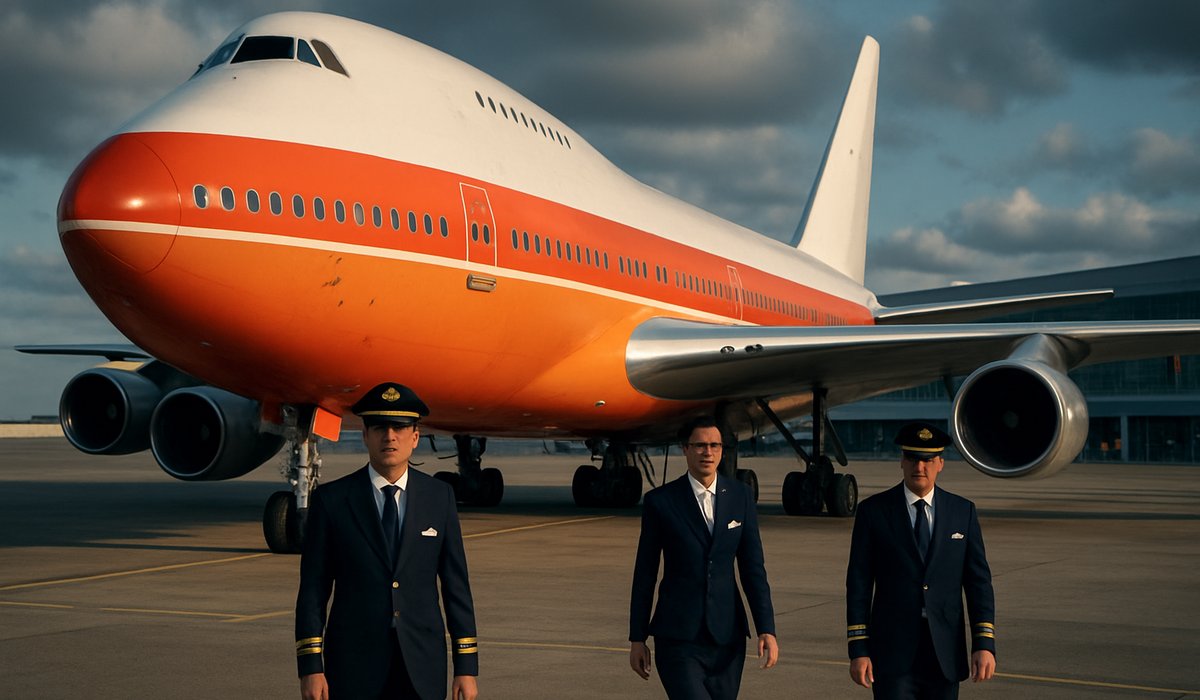
Image generated by AI
Rare Boeing 747SP That Served Airlines, Electronics Giant, and NASA Reaches End of Life After Decades in Service
A legendary short-fuselage widebody aircraft with an extraordinary operational history finds its final purpose in the aircraft recycling industry
A Historic Aircraft Meets Its Final Chapter
A Boeing 747SP—one of just 45 ultra-rare short-fuselage widebody jets ever manufactured—has been dismantled for spare parts after an eventful career spanning multiple industries and operators. The aircraft, which made a rare public appearance at San Bernardino International Airport's 2015 aviation festival, represents a disappearing chapter in commercial aviation history as aging legacy aircraft continue to exit service worldwide.
The Exceptional Rarity of the 747SP
The 747SP holds a distinctive place in aviation heritage. With only 45 examples produced during its manufacturing run, the variant ranks among the most exclusive widebody aircraft ever built. The shortened fuselage design—a deliberate engineering modification from the standard 747 series—enabled exceptional long-range capabilities while reducing overall aircraft weight. This combination made the 747SP highly sought after by select operators requiring transcontinental range with premium efficiency.
A Storied Multi-Industry Lifecycle
The aircraft's operational journey reflected the diverse demands of global aviation during its working years. Its service with Braniff International Airways positioned it within the carrier's premium intercontinental network during a transformative era for American aviation. Subsequent operations with Fry's Electronics—reflecting aviation's niche applications beyond traditional passenger transport—underscored the adaptability of the platform.
Perhaps most notably, NASA's utilization of a 747SP exemplified the aircraft's technical capabilities for specialized missions. The space agency's operation of similar variants for Shuttle Carrier Aircraft duties demonstrated the platform's structural integrity and performance reliability for non-standard applications.
The Industry Context: Aircraft Retirement and Recycling
The dismantling of this historic jet occurs as the global aviation sector confronts mounting pressures to retire aging aircraft. Supply chain disruptions, rising maintenance costs, and environmental regulations have accelerated the retirement timeline for pre-2000s widebodies. Aircraft recycling has emerged as a critical industry segment, with specialized facilities extracting valuable components from retired jets—engines, avionics, landing gear, and structural materials commanding substantial secondary-market value.
The 747SP's passage into the recycling stream reflects broader industry trends affecting the entire legacy widebody fleet. As modern, fuel-efficient aircraft replace aging platforms, operators increasingly find that parting out older jets generates greater economic return than continued operation.
Looking Forward
The loss of operational 747SP examples continues to narrow an already exclusive aircraft category. Aviation historians and enthusiasts recognize each retirement as the permanent closure of a specific era in commercial aviation development.
Frequently Asked Questions
What made the Boeing 747SP different from standard 747 models? The 747SP featured a shortened fuselage that reduced weight while maintaining the aircraft's famous upper deck configuration, enabling superior long-range performance and fuel efficiency compared to the base 747.
How many Boeing 747SP aircraft were ever built? Exactly 45 747SP jets were manufactured, making it one of the rarest widebody variants in commercial aviation history.
Why do airlines retire and scrap older aircraft? Modern jets offer superior fuel efficiency, lower maintenance costs, and reduced environmental impact, making them more economical than operating legacy widebodies despite high recycling values.
What happens to aircraft components after dismantling? Salvaged parts including engines, avionics, landing gear, and interior components are sold to maintenance providers, specialty operators, and parts distributors globally.
Are any 747SP aircraft still in active service? The global 747SP fleet has largely transitioned to cargo or specialty operations, with few remaining in traditional passenger service due to age and operating economics.
Related Travel Guides
External Resources
Disclaimer
This article is for informational and educational purposes only. It does not constitute legal, financial, or professional advice. While we strive to provide accurate and up-to-date information, travel policies, regulations, and conditions change rapidly. Always verify information with official sources before making travel decisions. Nomad Lawyer makes no representations about the accuracy, reliability, completeness, or suitability of the information provided. Readers should consult qualified professionals for advice specific to their circumstances. The views expressed in this article are those of the author and do not necessarily reflect the views of Nomad Lawyer.
Preeti Gunjan
Contributor & Community Manager
A passionate traveller and community builder. Preeti helps grow the Nomad Lawyer community, fostering engagement and bringing the reader experience to life.
Learn more about our team →