
New US Border Entry Rules 2026: Visa Bonds, Biometric Expansion, and ESTA Fee Hikes
Recent updates to US Customs and Border Protection (CBP) regulations introduce mandatory visa bonds up to $20,000, expanded biometric screening, and updated ESTA fees for 2026 travelers.

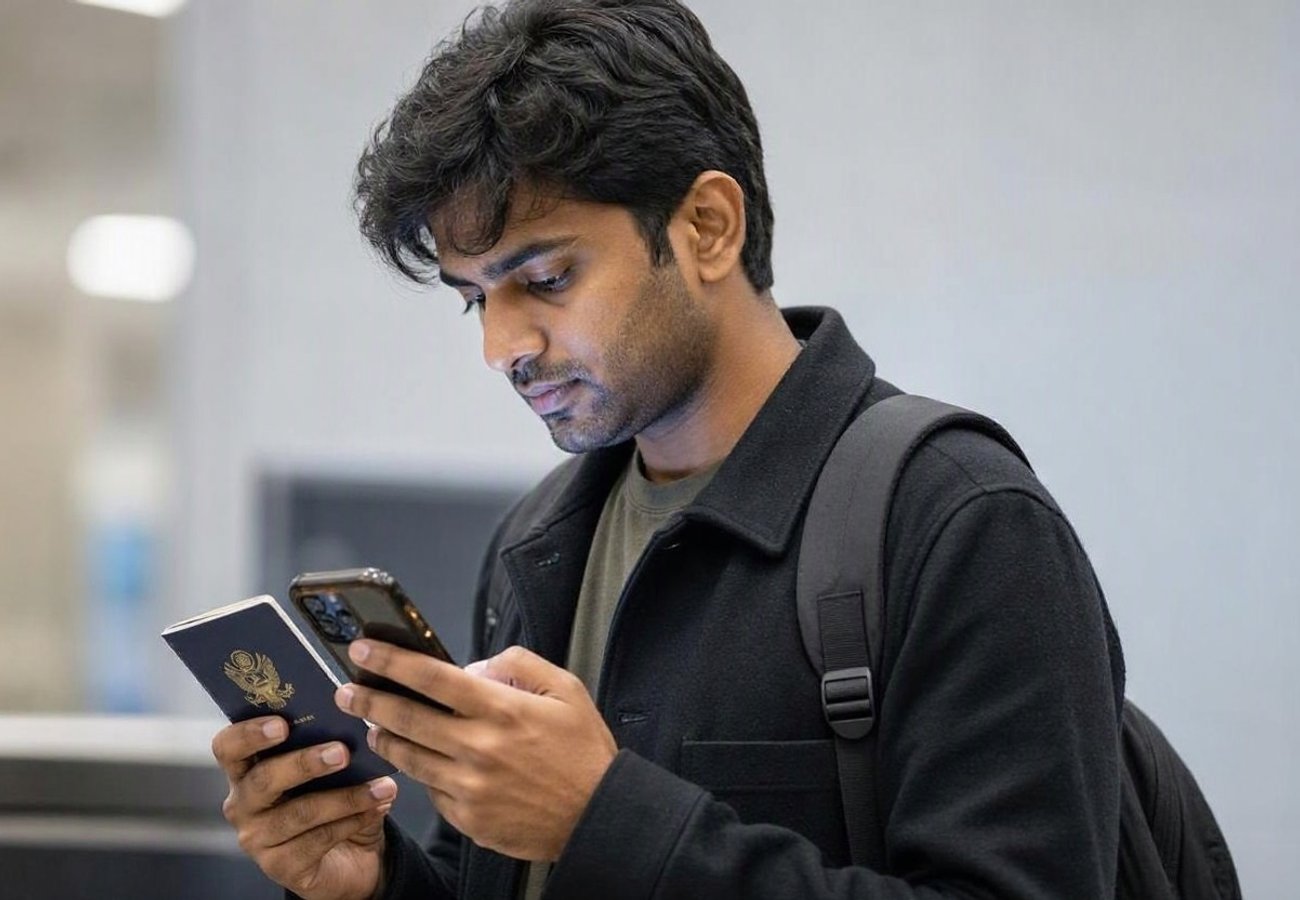
Image generated by AI
A traveler from Nepal arriving at JFK International Airport discovers that their B-2 visitor visa approval is contingent upon a $15,000 refundable bond, a requirement they were not prepared for during their initial application. This scenario is becoming a reality for thousands of international visitors as the United States implements a series of aggressive border security and financial vetting measures throughout 2026.
Updated US Entry Protocols and Financial Requirements
The landscape of entering the United States has shifted significantly following a series of mandates from the U.S. Department of State and U.S. Customs and Border Protection (CBP). These changes move beyond simple passport validity, introducing financial deposits for specific nationalities and expanded digital surveillance of applicants.
Central to these changes is the transition of the visa bond program from a pilot phase to a permanent fixture. As of August 3, 2026, the U.S. government can now legally require a refundable deposit to ensure that visitors from designated countries adhere to the terms of their visa and depart the U.S. on time.
Critical Border Entry Data 2026
The following table outlines the current financial and regulatory thresholds for travelers entering the U.S. in late 2026.
| Requirement | Detail / Amount | Effective Date | Affected Group |
|---|---|---|---|
| ESTA Application Fee | $40.62 (increased from $40.27) | October 16, 2026 | Visa Waiver Program users |
| Visa Bond Amount | $10,000, $15,000, or $20,000 | Permanent as of Aug 3, 2026 | Nationals of 50 listed countries |
| Land Border I-94 Fee | $30.00 | Ongoing | Land border entrants |
| Biometric Screening | Facial/Photo Comparison | December 26, 2025 | All non-U.S. citizens |
| Visa Restrictions | Full or Partial Suspension | January 1, 2026 | Nationals of 39 countries |
Your Rights as a Passenger and Applicant
When facing these stringent requirements, it is essential to understand the legal framework governing your entry.
The Visa Bond Program: If you are a national of one of the 50 designated countries (including Bangladesh, Nigeria, and Fiji), a consular officer may request a bond. This is a refundable deposit. You must use Pay.gov, the official U.S. Treasury platform, to complete this transaction via DHS Form I-352. Your right to a refund is contingent upon your legal departure from the U.S.
Biometric Privacy: Under the rule effective December 26, 2025, CBP can collect photographs from non-citizens of all ages, removing previous exemptions for those under 14 or over 79. While non-citizens must comply, U.S. citizens maintain the legal right to opt out of facial biometric collection at inspection points and may request a traditional document check.
Entry Suspensions: Presidential Proclamation 10998 (effective January 1, 2026) restricts entry for nationals of 39 countries. If you held a valid visa before January 1, 2026, it was not automatically revoked; however, consular officers retain the discretion to limit the validity of existing visas. For the most current list of restricted nations, check the U.S. Department of State.
Social Media and Digital Vetting
As of October 1, 2026, the U.S. has expanded its online presence review. If you are applying for the following visas, you are now required to make your social media profiles public for government screening:
- I Visas: Foreign media representatives.
- TN Visas: Professionals under the USMCA (primarily affecting Mexican nationals).
- TD Visas: Dependents of TN visa holders.
This joins previous mandates for H-1B, F, M, and J visa categories. Failure to provide usernames on Form DS-160 or obstructing the review of public profiles can lead to visa delays or denials.
Rebooking Strategy and Entry Alternatives
If your visa is denied due to the new bond requirements or social media vetting, consider these strategic pivots:
- Alternative Ports of Entry: For bond holders, entry is restricted to designated commercial air ports of entry, including those with CBP Preclearance. Ensure your flight is routed through these hubs to avoid being turned away at the border.
- Visa Category Shift: If a B-1/B-2 visa is blocked by a bond requirement you cannot meet, evaluate if you qualify for a different non-immigrant category that may not be subject to the same financial bond, though this requires a new application process.
- ESTA Verification: For those eligible for the Visa Waiver Program, apply for your ESTA well before the October 16 fee increase to save on costs. Use the official CBP ESTA portal to avoid third-party processing scams.
FAQ: US Border Entry 2026
Do I have to make my Instagram or X account public to visit the US? Only if you are applying for specific non-immigrant visas (such as TN, TD, or I visas) or categories like student (F/M) and exchange (J) visas. Most general tourists do not need to make profiles public, but must list usernames on Form DS-160.
Is the $20,000 visa bond a fee or a deposit? It is a refundable deposit. If you comply with all visa terms and leave the United States before your authorized stay expires, the bond is returned.
Can I opt out of the new facial recognition scans? U.S. citizens can opt out and request a manual document inspection. Non-U.S. citizens, including lawful permanent residents, are generally required to submit to biometric screening.
Which countries are affected by the January 2026 entry suspension? The suspension affects 39 countries, including Afghanistan, Iran, Haiti, Somalia, and Syria. Check the official State Department website for the full, updated list.
Secure your documentation early to avoid becoming a statistic at the port of entry.
Related Travel Guides
Disclaimer
This article is for informational and educational purposes only. It does not constitute legal, financial, or professional advice. While we strive to provide accurate and up-to-date information, travel policies, regulations, and conditions change rapidly. Always verify information with official sources before making travel decisions. Nomad Lawyer makes no representations about the accuracy, reliability, completeness, or suitability of the information provided. Readers should consult qualified professionals for advice specific to their circumstances. The views expressed in this article are those of the author and do not necessarily reflect the views of Nomad Lawyer.
Raushan Kumar
Founder & Lead Developer
Full-stack developer with 11+ years of experience and a passionate traveller. Raushan built Nomad Lawyer from the ground up with a vision to create the best travel and law experience on the web.
Learn more about our team →