
NWS Declares Red Flag Fire Emergency Across Texas, Oklahoma, Nebraska, Kansas, Colorado, and Wyoming as Wildfires Threaten Major Road Trip Disruption: New Travel Alert
A multi-state Red Flag fire emergency places Texas, Oklahoma, Kansas, Nebraska, Colorado, and Wyoming on high alert, disrupting road trips and camping.

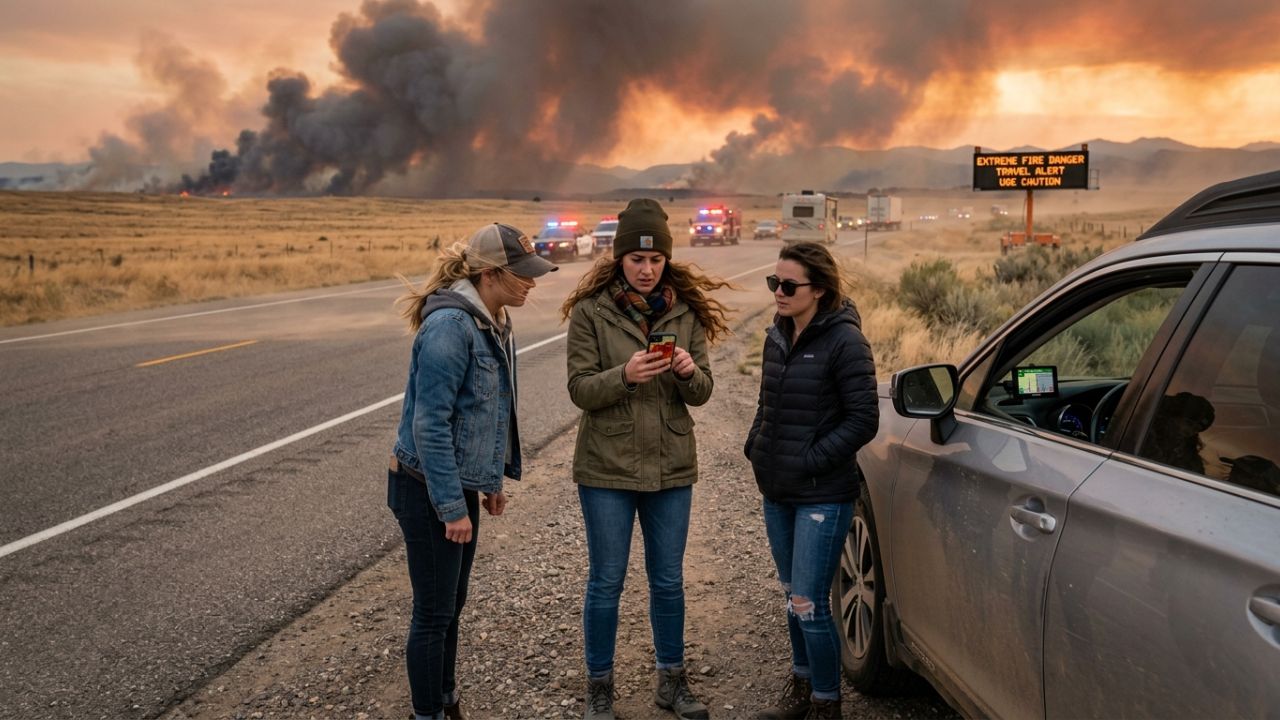
Image generated by AI
In a sweeping environmental development that has placed America's heartland on high alert, federal meteorologists have issued a major multi-state weather advisory. On May 18, 2026, the authorities officially declared a massive Red Flag Fire Emergency spanning large portions of Texas, Oklahoma, Nebraska, Kansas, Colorado, and Wyoming. A dangerous combination of powerful winds, critically low humidity levels, and exceptionally dry grasslands has created highly volatile ignition conditions, prompting emergency travel alerts for motorists, RV campers, and outdoor adventurers navigating major highway corridors and scenic mountain routes.
Quick Summary
- Official Declaration: The National Weather Service (NWS) has issued Red Flag Warnings across six states in the Plains and Rocky Mountain corridors.
- Volatile Weather Setup: Sustained winds between 15 and 30 mph, with higher localized gusts, dry brush, and critically low humidity.
- Key Regions Under Warning: Western and northern Texas, much of Oklahoma, western Nebraska, parts of Kansas, eastern Colorado, and southeastern Wyoming.
- Travel Disruptions: Potential sudden highway closures, smoke-induced low visibility, emergency detours, and delayed freight traffic.
- Recreational Bans: Strict prohibitions on campfires, charcoal grills, agricultural burning, fireworks, off-road vehicle activity, and welding in dry brush.
Crucial Details of the Red Flag Fire Emergency
According to meteorological alerts issued by the National Weather Service (NWS), the multi-state Red Flag Fire Emergency represents one of the broadest and most dangerous fire weather events of the spring season. The warning encompasses western and northern Texas, the majority of Oklahoma, western Nebraska, portions of Kansas, eastern Colorado, and southeastern Wyoming. Forecasters warn that dry grasslands and high-wind velocities are aligning to create a landscape where even a minor spark can ignite a fast-moving, wind-driven grassfire that outpaces regional emergency response teams.
Wildfire scientists emphasize that the combination of sustained winds between 15 and 30 miles per hour, low atmospheric humidity, and bone-dry vegetation makes dry brush highly susceptible to ignition. Under these extreme conditions, common roadside hazards—such as dragging trailer chains, discarded cigarettes, campfires, failing power lines, or sparks from hot roadside equipment—can trigger immediate grassfires, presenting a severe risk to travelers crossing rural prairie corridors.
Major Disruptions to Highway Corridors and Outdoor Tourism
The massive fire weather emergency directly threatens seasonal tourism and long-distance travel networks across the central United States:
- Interstate and Corridors Delays: Crucial transcontinental highway corridors—including routes crossing the Texas Panhandle, a major corridor connecting Dallas, Amarillo, New Mexico, and Colorado—face high delay and rerouting risks if wildfires ignite near highway boundaries.
- Visibility and Smoke Hazards: Grassland smoke can rapidly sweep across open highways, creating dangerous visibility issues for high-speed motorists, long-distance truck transport, and recreational vehicles.
- Outdoor Recreation Restrictions: Public campgrounds, state parks, hiking trails, and federal recreation areas in dry zones are implementing strict access limits and temporary closures to protect visitors.
- Campground and Burning Bans: Jurisdictions in warning zones are enforcing automatic bans on campfires, charcoal cooking grills, fireworks, off-road vehicle activity in dry brush, and agricultural burning.
What Meteorology Experts and Emergency Responders Advise
Local chambers of commerce, forestry services, and emergency responders are urging tourists to exercise extreme vigilance during this multi-state weather crisis. State transportation departments are advising long-distance drivers and freight logistics operators to check live highway maps and travel alerts before departing. Because western Oklahoma and southwestern Kansas experienced significant wildfire activity earlier this year, emergency crews in these regions are operating under a heightened state of readiness and are urging travelers to strictly avoid routine roadside stops that could spark dry brush.
In addition, transportation authorities are warning recreational vehicle (RV) drivers, motorcyclists, and motorists towing trailers to inspect their setups frequently. Trailer safety chains must be properly secured to prevent them from scraping against asphalt and throwing sparks into adjacent roadside grasslands. Travelers are also urged to report any signs of smoke or roadside fires immediately to local emergency dispatchers.
Actionable Safety Steps for Motorists and Campers
To navigate the Red Flag Fire Emergency safely and protect regional landscapes, travelers must follow these critical guidelines:
- Avoid Dry Grassland Parking: Never park your vehicle on dry grass or brush, as hot exhaust systems and catalytic converters can easily ignite a fire.
- Secure All Trailer Chains: Properly adjust and hook trailer chains to prevent them from scraping the road surface and creating dangerous metal sparks.
- Strictly Adhere to Fire Bans: Respect all regional bans on campfires, charcoal grills, fireworks, and open flames at parks and campgrounds.
- Check Live State Road Updates: Monitor state department of transportation sites for real-time alerts regarding sudden highway closures and smoke detours.
- Maintain Emergency Supplies: Carry extra drinking water, non-perishable food, and essential emergency supplies in your vehicle when crossing remote Plains.
- Keep Your Fuel Tank Full: Ensure your vehicle has plenty of fuel in remote areas to manage sudden reroutings and detours safely.
Regional Vulnerability and Shifting Weather Dynamics
The current weather setup highlights the complex atmospheric challenges facing the Rocky Mountain and Plains corridors. While plains regions and lower elevations in Colorado and Wyoming are experiencing critically high fire danger, higher elevations in the Rocky Mountains may present dramatically different weather patterns within just a few hours of driving. This complex contrast requires motorists to prepare for rapidly changing conditions as they cross state lines.
Furthermore, regions like the Texas Panhandle and western Oklahoma are highly vulnerable to spring wildfire outbreaks due to vast stretches of open grassland and strong seasonal winds. The current Red Flag conditions transform what would normally be scenic, endless skies and routine spring road trips into environments requiring active planning, scheduling flexibility, and constant vigilance from travelers.
Looking Ahead: Long-Term Weather Resilience and Fire Bans
As the fire weather alert continues through the week, local tourism boards are actively integrating wildfire advisories into their communications. Regional visitor centers are providing links to meteorological forecasts, recommending indoor cultural alternatives, and publicizing emergency evacuation routes. Travelers are strongly encouraged to maintain flexible schedules and prepare backup itineraries, prioritizing travel safety without compromising their overall vacation experience.
Conclusion
Successfully completing a road trip through active fire weather zones depends on planning, flexibility, and safety awareness. By avoiding dry grass parking, securing trailer equipment, and strictly complying with local campfire bans, motorists and campers can prevent devastating grassfires. Remaining prepared and highly vigilant is the ultimate key to navigating the American Plains safely during extreme environmental emergencies.
FAQ: Red Flag Fire Emergency 2026
1. What is a Red Flag Fire Emergency?
It is a critical weather alert declared when a combination of strong winds, low humidity, and exceptionally dry vegetation creates highly dangerous ignition conditions, allowing wildfires to spark and spread rapidly.
2. Which states are currently affected by the 2026 Red Flag Warnings?
The emergency alert covers western and northern Texas (including the Panhandle), much of Oklahoma, western and north-central Nebraska, portions of Kansas, eastern Colorado, and southeastern Wyoming.
3. Are campfires and grills permitted in campgrounds under these warnings?
No. Most jurisdictions automatically ban campfires, charcoal grills, fireworks, agricultural burning, and off-road vehicle activity in dry brush during active Red Flag conditions.
4. How can road trippers prevent sparking roadside grassfires?
Motorists should secure trailer safety chains so they do not scrape the asphalt, avoid parking on dry grass, never throw cigarettes from windows, and report any roadside smoke immediately.
5. What should drivers do if they encounter smoke on highways?
Slow down, turn on your headlights, check state transportation alerts for detours, and be prepared to turn around safely if visibility deteriorates or local emergency personnel mandate closures.
Related Travel Guides
- SPC Warns of Widespread US Tornado and Severe Weather Risk Threatening Major Travel and Tourism Disruptions Across the Plains and Midwest: New Travel Alert
- Canada Issues Urgent Jamaica Travel Advisory Warns Travelers of Violent Crime and Public Transport Risks in Montego Bay and Kingston, Advising Strict Vigilance: New Travel Alert
- The 10 Best Tips for RV Camping During Wildfire Seasons, According to Reddit
Suggested Metadata
Disclaimer
This article is for informational and educational purposes only. It does not constitute legal, financial, or professional advice. While we strive to provide accurate and up-to-date information, travel policies, regulations, and conditions change rapidly. Always verify information with official sources before making travel decisions. Nomad Lawyer makes no representations about the accuracy, reliability, completeness, or suitability of the information provided. Readers should consult qualified professionals for advice specific to their circumstances. The views expressed in this article are those of the author and do not necessarily reflect the views of Nomad Lawyer.
Kunal K Choudhary
Co-Founder & Contributor
A passionate traveller and tech enthusiast. Kunal contributes to the vision and growth of Nomad Lawyer, bringing fresh perspectives and driving the community forward.
Learn more about our team →