
Georgia Camping Between Knoxville and Atlanta: Hidden Mountain Lake Guide 2026
Discover Georgia camping between Knoxville and Atlanta at an underrated mountain lake. Scenic trails, pristine waters, and fewer crowds await travelers in 2026 seeking authentic Southeast experiences.

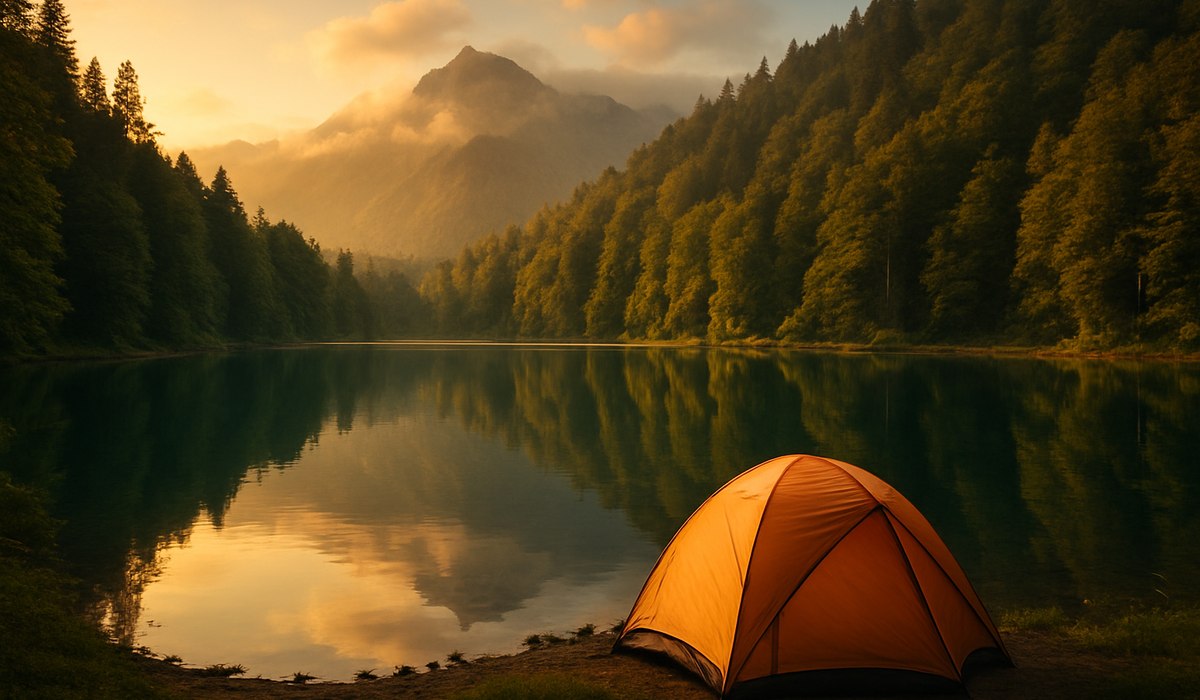
Image generated by AI
Georgia's Hidden Mountain Gem Deserves Your Next Road Trip
Georgia's underrated mountain lake sits perfectly positioned between Knoxville and Atlanta, offering remarkable camping and hiking experiences that rival celebrated regional destinations. This scenic waterside retreat remains refreshingly quiet despite its strategic location along Southeast travel corridors. Travelers seeking Georgia camping between major hubs discover pristine trails, crystalline waters, and mountain vistas that outperform crowded alternatives—all without the seasonal congestion that plagues better-known attractions.
The lake's modest profile on regional maps belies its exceptional outdoor credentials. North Georgia's mountain terrain creates ideal conditions for adventure-seekers willing to venture slightly off major highways. Local rangers and seasonal visitors consistently report that this destination punches above its weight in natural beauty and recreational opportunities.
Why This Georgia Lake Deserves Your Camping Plans
North Georgia's mountain lakes attract far fewer visitors than Asheville or Smoky Mountains locations, yet offer comparable scenery and superior solitude. The surrounding ridgelines create dramatic backdrops for sunrise photography and evening campfire views. Elevation ranges from 1,200 to 3,000 feet, providing mild summer temperatures and comfortable fall camping seasons.
Water quality remains pristine year-round, supporting fishing, kayaking, and swimming from designated recreational areas. Local ecosystem preservation efforts have maintained native plant communities and wildlife corridors throughout the watershed. The lake's relatively small surface area—appearing deceptively modest on initial inspection—translates to intimate exploration opportunities for day-trippers and extended-stay campers.
Accessibility from both Knoxville and Atlanta positions this destination perfectly for weekend escapes. Drive times from either city remain under three hours, making it ideal for working professionals planning quick getaways. Unlike overcrowded national parks requiring advance reservations months ahead, this Georgia camping between major metros often features available spots during peak seasons.
Best Camping Spots and Accommodations
Established campgrounds ring the lake's shoreline, offering everything from primitive tent sites to full-hookup RV facilities. Several properties provide waterfront access with dock privileges for kayak and canoe launches. Amenities typically include restroom facilities, potable water, and designated fire rings with bear-proof containers for safe food storage.
Private cabin rentals scattered throughout surrounding communities offer appealing alternatives to traditional tent camping. These structures range from rustic one-room cottages to modern homes with full kitchens and heating systems. Mountain lodge properties located within 15 miles of the lake provide upscale accommodations for travelers prioritizing comfort while maintaining proximity to outdoor activities.
Dispersed camping opportunities exist on surrounding national forest lands managed by the U.S. Forest Service. These primitive sites cost significantly less than developed campgrounds while delivering authentic backcountry experiences. Popular dispersed areas typically reach capacity only during summer weekends and fall foliage season, keeping this Georgia camping between option reliably accessible.
For updated information on facility amenities and current availability, visit the official Forest Service recreation website.
Top Hiking Trails and Scenic Viewpoints
Mountain trails radiating from the lake's perimeter showcase diverse terrain and vegetation zones. Moderate difficulty routes ranging from 4 to 8 miles offer accessible adventures for families and casual hikers. More challenging ridge-line trails traverse 10+ miles, rewarding experienced hikers with panoramic vistas spanning multiple state lines.
One signature trail follows the northern shoreline for 6 miles, alternating between dense forest canopy and open ridge overlooks. Wildflower displays peak in April and May, transforming understory flora into natural gardens. Autumn foliage transitions occur mid-October, drawing photographers and nature enthusiasts.
Waterfall trails leading into tributary valleys create popular afternoon excursions from main camping areas. Several cascades drop 50+ feet, forming refreshing swimming holes during warm months. These destinations remain less crowded than renowned Appalachian waterfall hikes while delivering equivalent natural appeal.
Ridge-top overlooks accessed by steeper ascents provide sunset viewing platforms with unobstructed western exposure. Clear-day visibility extends 20+ miles across North Georgia's folded mountain landscape. Night sky quality ranks exceptionally high, making this region suitable for amateur astronomy and astrophotography.
Getting There from Knoxville and Atlanta
From Knoxville (approximately 2.5 hours): Exit I-75 southbound toward Cleveland, Georgia. Route 129 southbound provides scenic mountain driving approaching the lake district. This route traverses Polk County's steep grades and curves, offering preview views of surrounding highlands.
From Atlanta (approximately 2.5 hours): I-75 northbound toward Chattanooga provides direct access. Exit near Dalton or Calhoun, then follow state routes northeast into the North Georgia mountains. This corridor experiences heavier seasonal traffic, particularly weekends and summer months.
Both routes avoid interstate congestion by utilizing state highways for final approach segments. GPS navigation should be confirmed before departure, as cell coverage remains spotty in certain valleys. Gas stations and supplies exist in small towns near lake access points.
How to Book the Best Fare
Plan accommodations through the official campground reservation system at recreation.gov, which manages most developed lakeside facilities. This platform offers real-time availability viewing, reservation guarantees, and cancellation flexibility (typically 2-7 days). Early planning—60 to 90 days ahead—secures premium waterfront sites during peak seasons.
For cabin rentals and private property bookings, consult Airbnb and Vrbo, where individual owners list properties with flexible terms. Reading detailed reviews helps identify properties matching your comfort and activity preferences. Direct contact with property managers sometimes yields better rates than platform-listed pricing.
Dispersed camping requires no advance reservations but demands self-sufficiency. Arrive early during popular seasons to secure optimal locations. Download offline maps before arrival, as cellular navigation proves unreliable in remote areas.
| Feature | Developed Campgrounds | Private Cabins | Dispersed Sites |
|---|---|---|---|
| Cost Range | $20–45/night | $75–200/night | $0–15/night |
| Amenities | Restrooms, water, fire rings | Full kitchens, electricity, heat | None (self-sufficient) |
| Reservations | 60+ days ahead recommended | 30-90 days ahead | First-come, first-served |
| Waterfront Access | Most sites available | Variable by property | Limited access |
| Group Capacity | 6-15 persons typical | 4-12 persons typical | Varies by site |
| Best For | Families, RVers | Couples, small groups | Experienced campers |
What This Means for Travelers
Georgia camping between Knoxville and Atlanta delivers measurable advantages over mainstream Southeast destinations. Consider these actionable travel strategies:
-
Book accommodations 8-12 weeks ahead for July and August visits, but expect last-minute availability during shoulder seasons (April-May, September-October). Peak visitation concentrates on summer weekends, leaving weekday openings even in high season.
-
Arrive early on Friday afternoons to secure optimal parking and waterfront access before weekend saturation. Morning arrival enables afternoon hiking sessions before evening campfire preparations.
-
Download offline maps and guides from Forest Service websites before departure. Cell coverage remains inconsistent beyond major access corridors, making digital preparation essential for safety and navigation.
-
Pack layered clothing for temperature fluctuations. Mountain elevations create 15-20°F variations between sun exposure and shaded forest areas. Evening temperatures drop significantly even during summer months.
-
Plan fishing expeditions around seasonal patterns. Spring bass fishing peaks April-May, summer catfish activity dominates June-August,
Disclaimer
This article is for informational and educational purposes only. It does not constitute legal, financial, or professional advice. While we strive to provide accurate and up-to-date information, travel policies, regulations, and conditions change rapidly. Always verify information with official sources before making travel decisions. Nomad Lawyer makes no representations about the accuracy, reliability, completeness, or suitability of the information provided. Readers should consult qualified professionals for advice specific to their circumstances. The views expressed in this article are those of the author and do not necessarily reflect the views of Nomad Lawyer.
Preeti Gunjan
Contributor & Community Manager
A passionate traveller and community builder. Preeti helps grow the Nomad Lawyer community, fostering engagement and bringing the reader experience to life.
Learn more about our team →