
Tel Aviv Ben Gurion Airport Security Guide 2026: Navigating TLV Questioning and Baggage Screening
A comprehensive guide to navigating Tel Aviv Ben Gurion Airport's strict security protocols, including departure questioning, baggage screening, and arrival logistics for 2026.

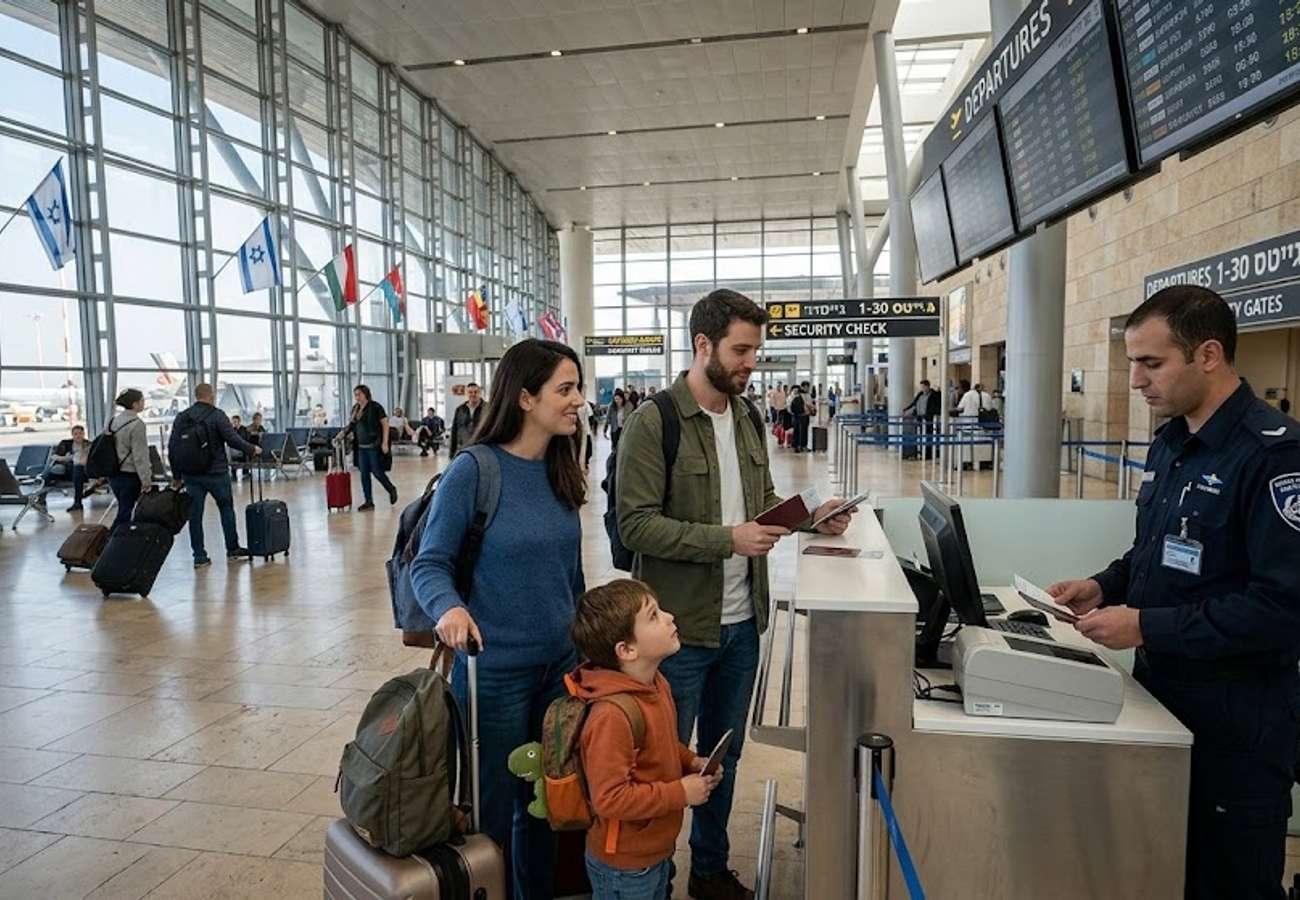
Image generated by AI
Unlike standard European or North American hubs, Tel Aviv Ben Gurion Airport (TLV) prioritizes behavioral profiling and detailed passenger interviews over standard X-ray checks. Travelers face multiple security layers starting from the curbside checkpoint, with detailed questioning that can add 20 to 40 minutes to arrival processing times.
The Core Transit Update: TLV Security Protocols
Tel Aviv Ben Gurion Airport operates one of the most sophisticated aviation security frameworks globally. The Israel Airports Authority manages a system that shifts the focus from simply scanning luggage to actively evaluating the passenger. Instead of relying solely on technology to find prohibited items, security personnel are trained to identify behavioral inconsistencies through face-to-face interviews.
This approach requires travelers to undergo detailed questioning regarding their travel history, accommodations, and personal contacts. For international passengers, this means encountering armed guards and plainclothes officers before even reaching the check-in counters. The airport utilizes an automatic inline baggage screening system that operates seamlessly behind the scenes, but frequently flags items like professional camera equipment, musical instruments, or dense electronics for manual inspection at the gate.
Transit Schedule & Route Specifications
Understanding the sequence of security checkpoints at Ben Gurion Airport is essential for calculating minimum connection times and departure arrivals.
| Security Phase | Location | Process | Estimated Time Added |
|---|---|---|---|
| Vehicle Checkpoint | Terminal 3 Access Road | Visual inspection of vehicle, casual questioning of passengers | 5 - 15 minutes |
| Departure Interview | Departures Hall (Pre-Check-in) | Detailed questioning by security agents regarding travel purpose and history | 10 - 30 minutes |
| Checked Baggage Screening | Check-in Area / Inline System | Initial belt scan or automatic hold baggage screening | 5 - 10 minutes |
| Carry-on & Metal Detector | Main Security Area | X-ray of carry-ons, swabbing of electronics for explosive traces | 10 - 20 minutes |
| Arrival Passport Control | Immigration Hall | Passport scan, issuance of blue/white entry slip (no passport stamp) | 10 - 50 minutes* |
*Arrival time depends heavily on travel history. Passengers with stamps from countries Israel considers higher risk may face secondary questioning, adding 20 to 40 minutes to the standard process.
Traveler Logistics Guide: Navigating TLV
From a ground-level perspective, the best way to navigate this is to over-prepare your documentation. The security agents at TLV are trained to ask open-ended questions. If you are asked, "Why did you come to Israel?" or "Did anyone else have access to your luggage?", provide specific, concise answers. Vague responses such as "I stayed with some people I met online" will immediately trigger secondary screening.
Booking Connections: When booking onward flights from TLV, adhere strictly to the Israel Airports Authority recommended arrival times. Arrive at least 3 hours prior to international departures. The curbside vehicle checkpoint and pre-check-in security interviews operate independently of airline schedules, and queues build rapidly during peak morning departure banks for North American and European routes.
Managing Electronics: Security officers routinely swab laptops and camera bodies for explosive traces and may require you to power on devices to confirm they are functioning. Ensure all electronics are fully charged. If carrying professional camera gear or dense electronic equipment, anticipate a manual bag search in a dedicated inspection room.
Digital Transit Policies: Israel currently uses an entry card system for most North American and Western European tourists. Instead of stamping your passport, the border officer prints a small blue or white entry slip with your photo. You must retain this slip for the duration of your stay, as it is required for hotel check-ins and eventual departure processing. Travelers utilizing digital transit policies or biometric gates should verify their eligibility with the Population and Immigration Authority prior to arrival, as these automated systems are not universally available for all passport holders.
Infrastructure Impact Assessment
The security infrastructure at Ben Gurion Airport directly impacts regional tourism and business travel logistics. The heavy emphasis on human intelligence and behavioral profiling creates a highly secure environment, but it also introduces variability into connection times. The system's reliance on detailed interviews means that transit efficiency is not solely dictated by physical infrastructure like automated passport control kiosks.
This layered defense strategy ensures a high safety standard but requires airlines operating out of TLV to factor significant buffer times into their scheduling. For regional connectivity, this means that while direct flights to Tel Aviv remain highly secure, passengers connecting through TLV to other Middle Eastern destinations must account for the potential of extended arrival questioning, particularly if their itinerary includes overland border crossings from Jordan or Egypt.
Internal Connections
- Flexjet Fleet Guide: Aircraft Capabilities, Route Impacts, and Disruption Mitigation Strategies for 2026
- Etihad Cancels Bahrain Flight After Abu Dhabi Turnback
- Post Office Travel Insurance vs Leading UK Providers Compared: Medical, Cancellation and Baggage Limits in 2026
Preparation and transparency are the only valid currency at Ben Gurion Airport.
Related Travel Guides
Disclaimer
This article is for informational and educational purposes only. It does not constitute legal, financial, or professional advice. While we strive to provide accurate and up-to-date information, travel policies, regulations, and conditions change rapidly. Always verify information with official sources before making travel decisions. Nomad Lawyer makes no representations about the accuracy, reliability, completeness, or suitability of the information provided. Readers should consult qualified professionals for advice specific to their circumstances. The views expressed in this article are those of the author and do not necessarily reflect the views of Nomad Lawyer.
Preeti Gunjan
Contributor & Community Manager
A passionate traveller and community builder. Preeti helps grow the Nomad Lawyer community, fostering engagement and bringing the reader experience to life.
Learn more about our team →