
TCDD Increases Türkiye High-Speed Train Fares by 6.5% Across Major Intercity Routes in 2026
TCDD increases intercity high-speed train fares by 6.5% in 2026. Discover new ticket fares, route expansions, and visitor travel tips.

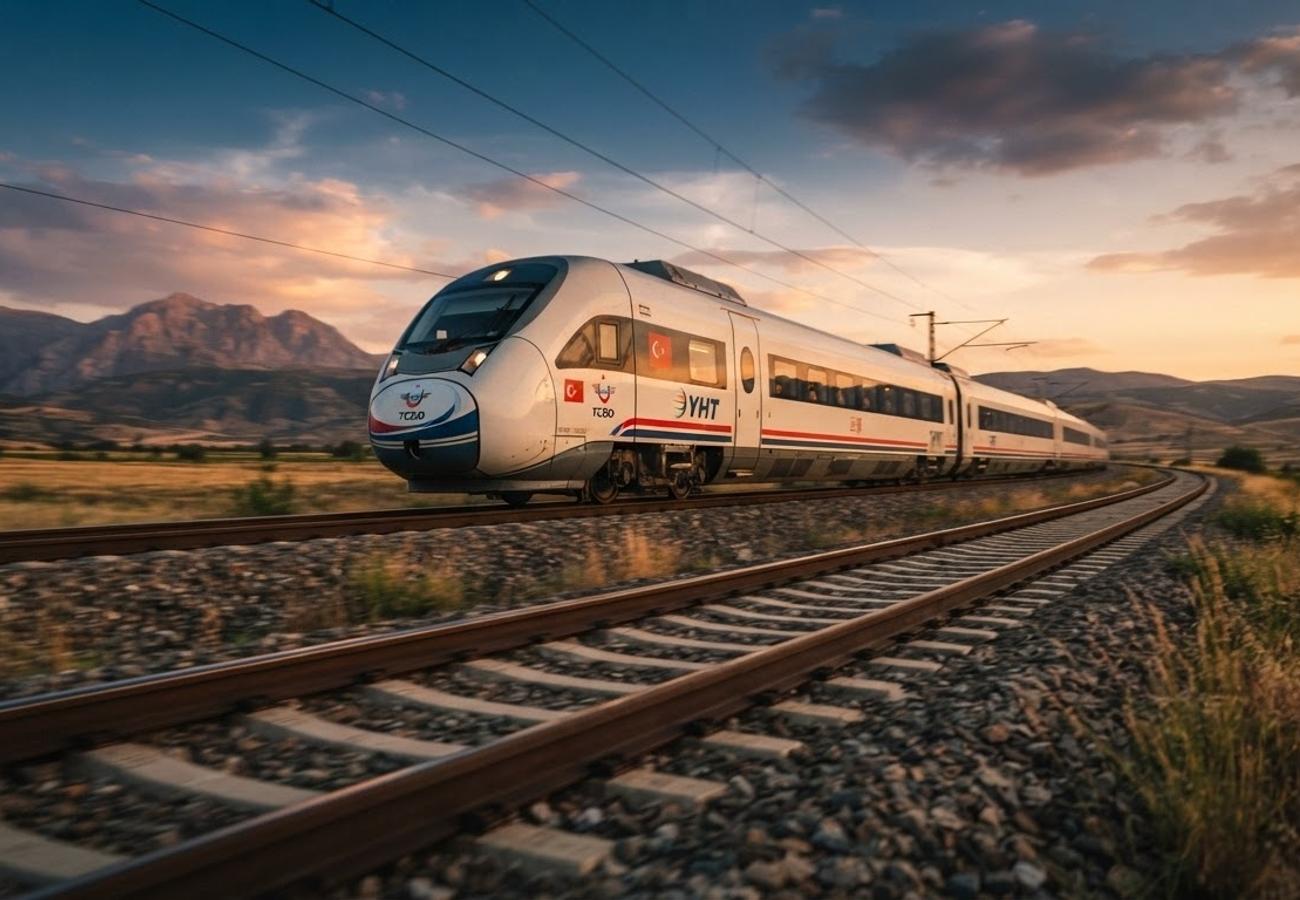
Image generated by AI
Over 12 million passengers chose Türkiye’s high-speed rail in 2025, but travelers will now pay 6.5% more following the state railway's latest fare adjustment on August 18, 2026.
TCDD Implements Second Rail Fare Adjustment of 2026
The state-run railway operator TCDD has increased economy-class high-speed train fares by 6.5% across its key intercity corridors. This fare change represents the second price adjustment introduced for Türkiye's high-speed railway services in 2026. Under the updated structure, a standard one-way economy ticket on the heavily traveled Ankara–Istanbul route has risen from ₺930 to ₺990.
The changes have been fully integrated into TCDD's official booking platforms. The fare updates cover direct routes and those with transfers through main railway hubs like Konya and Eskisehir.
Updated High-Speed Rail Fare Schedule (Economy Class)
The following list outlines the new economy fares across the network:
| Route | New Economy Fare |
|---|---|
| Eskisehir–Sivas | ₺1,597 |
| Konya–Istanbul | ₺1,442 |
| Ankara–Sivas | ₺1,001 |
| Eskisehir–Konya | ₺708 |
| Eskisehir–Istanbul | ₺639 |
| Eskisehir–Sakarya | ₺601 |
| Ankara–Eskisehir | ₺511 |
| Ankara–Konya | ₺458 |
Eco-Friendly Transit Across Anatolia’s Heritage Corridor
For the traveler, the real impact is the ability to embark on slow, carbon-conscious journeys across Anatolia. Choosing high-speed rail over domestic flights or highway travel directly supports sustainable tourism by minimizing individual emissions. TCDD's network connects the modern metropolis of Istanbul with ancient Seljuk capitals like Konya and cultural epicenters like Sivas, facilitating direct support for regional economies outside of coastal resort zones.
According to the Turkish Ministry of Culture and Tourism, regional tourism programs rely on these fast connections to encourage visitors to explore inland heritage sites. By traveling by rail, tourists can easily access historic Silk Road stops, local artisan workshops, and municipal conservation areas, ensuring tourism dollars flow directly to local communities.
Local Insider Tips for Turkish Train Travel
To make the most of your journey through Türkiye's diverse regions, keep these practical visitor tips in mind:
- Identify Off-Peak Visit Windows: The shoulder months of April to May and September to October are ideal for rail travel in Türkiye, offering pleasant temperatures and avoiding both the intense summer heat and the winter snows that can affect Eastern Anatolian routes.
- Observe Temple and House Etiquettes: When visiting historic cities like Konya—a deeply spiritual center—dress conservatively. Cover shoulders and knees when visiting mosques, such as the Mevlana Museum. It is also polite to accept tea (çay) when offered by local shopkeepers as a sign of hospitality.
- Savor Local Dining Specialties: While stopping at Eskisehir, try the local çiğ börek (a delicious deep-fried pastry filled with minced meat) from traditional family-run eateries. In Konya, savor etli ekmek (a long, thin flatbread topped with minced meat) at local restaurants to directly support the culinary heritage of the region.
- Explore Under-the-Radar Heritage Sites: Instead of visiting only major tourist hubs, seek out quieter destinations. Visit the ancient town center of Bantayan, or stop in San Remigio to enjoy the quiet, undeveloped white sands of Lapyahan Public Beach.
Long-Term Outlook for Turkish Railway Expansion
Türkiye’s rail expansion program is set to reshape domestic transit corridors. By the end of 2025, the country had established 2,032 kilometers of high-speed rail lines within a national rail network stretching 13,919 kilometers. More than 12 million passengers chose these fast trains in 2025, demonstrating a clear public demand for efficient public transit.
Looking ahead, TCDD is advancing several large-scale infrastructure projects. The upcoming Ankara–Izmir line will soon connect the capital with the western Aegean coast, while the southern Mersin–Adana–Osmaniye–Gaziantep corridor will streamline transit near the Mediterranean. In the north, the Halkali–Kapikule railway project will link Istanbul to the Bulgarian border, establishing a direct rail connection with the European rail network. Other expansions under construction include the Bandirma–Bursa–Yenisehir–Osmaneli project, alongside the Yerkoy–Kayseri, Karaman–Ulukisla, and Kirikkale–Corum links. Despite recent price adjustments, these lines will provide travelers with a robust, low-carbon alternative to domestic aviation for decades to come.
Related Travel Guides
Disclaimer
This article is for informational and educational purposes only. It does not constitute legal, financial, or professional advice. While we strive to provide accurate and up-to-date information, travel policies, regulations, and conditions change rapidly. Always verify information with official sources before making travel decisions. Nomad Lawyer makes no representations about the accuracy, reliability, completeness, or suitability of the information provided. Readers should consult qualified professionals for advice specific to their circumstances. The views expressed in this article are those of the author and do not necessarily reflect the views of Nomad Lawyer.
Preeti Gunjan
Contributor & Community Manager
A passionate traveller and community builder. Preeti helps grow the Nomad Lawyer community, fostering engagement and bringing the reader experience to life.
Learn more about our team →