
Tampa International Airport Hit with 61 Flight Delays and 6 Cancellations: Delta, American, JetBlue, Southwest Disruptions Ripple Across US Hub Routes
Tampa International Airport experiences major travel disruptions with 61 delays and 6 cancellations affecting Delta, American Airlines, JetBlue, and Southwest. Impact on US tourism and passenger connections.

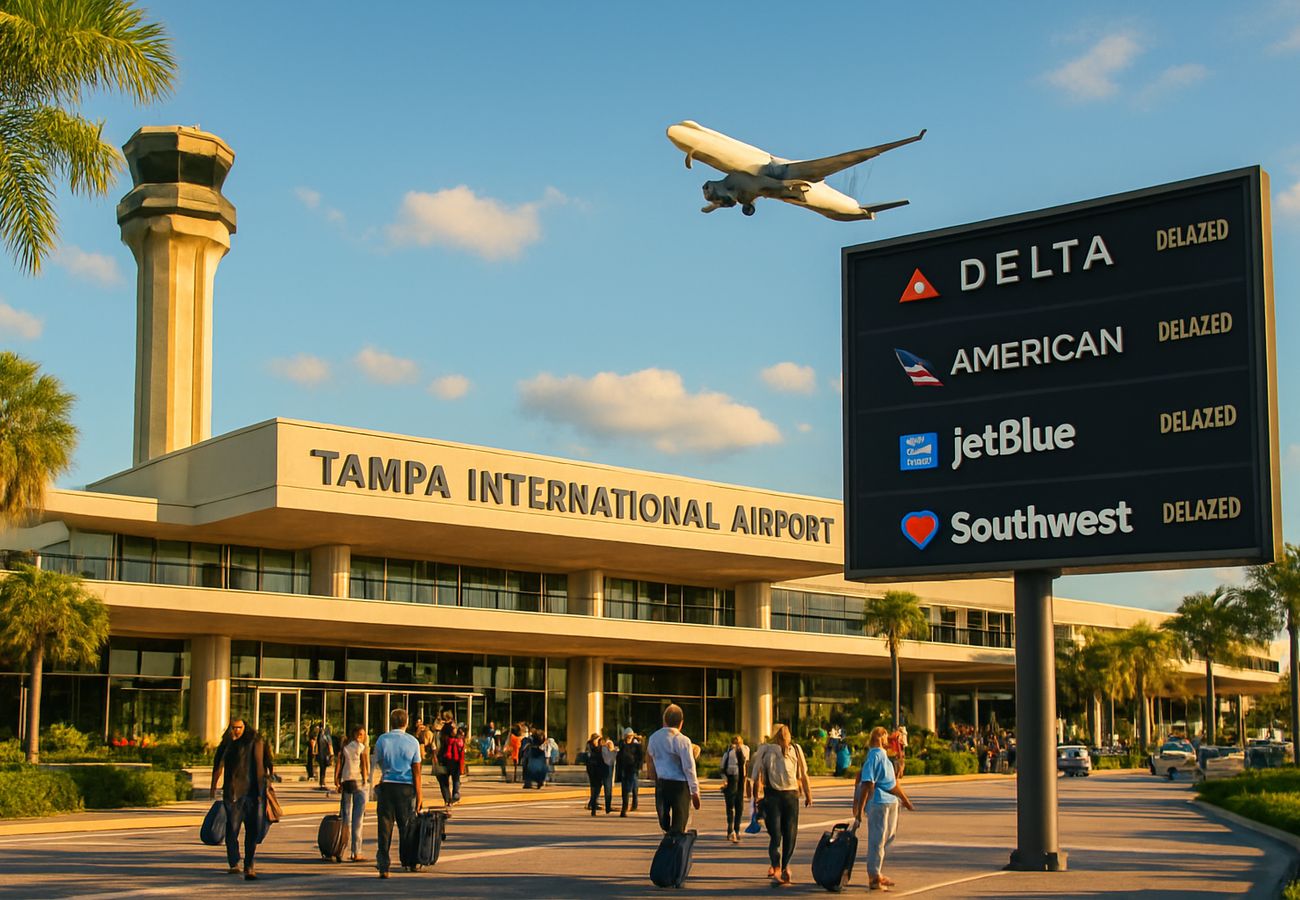
Image generated by AI
Major Disruptions Grip Tampa International Airport as 61 Flights Delayed, 6 Cancelled
Tampa International Airport (TPA) is reeling from significant operational disruptions that have left thousands of passengers stranded and scrambling for alternative travel arrangements. The airport reported 61 flight delays and 6 cancellations on April 14, 2026, affecting major carriers including Delta Air Lines, American Airlines, JetBlue Airways, Southwest Airlines, Frontier Airlines, and Spirit Airlines. The cascading disruptions have sent ripples across critical US routes connecting Tampa to New York, Chicago, and numerous other major metropolitan hubs, underscoring the fragility of North American aviation infrastructure during peak travel periods.
The operational meltdown at TPA has exposed vulnerabilities in airline scheduling and ground operations. Delta Air Lines reported 2 cancellations and 7 delays, impacting approximately 7% of its scheduled flights through the airport. American Airlines faced steeper challenges with 1 cancellation and 11 delays representing 13% of its daily operations. JetBlue Airways experienced 6 delayed flights accounting for 17% of their service, while Southwest Airlines bore the heaviest burden with 26 delays affecting 17% of flights. Frontier Airlines recorded 3 cancellations with no reported delays, and Spirit Airlines logged 3 delayed flights representing 16% of their operations. Industry analysts point to a combination of logistical bottlenecks, potential staffing shortages, and weather-related complications as contributing factors, though the precise root cause remains under investigation by airport authorities and the Federal Aviation Administration.
The scale of disruptions at Tampa International Airport reflects broader challenges plaguing global aviation as carriers navigate post-pandemic recovery, rising fuel prices impacting airlines, and seasonal travel surges. According to data tracked by FlightAware, disruptions of this magnitude typically cascade through connecting hubs, creating secondary delays across the network. Passengers booked on affected flights have experienced missed connections, forcing rebooking onto alternative carriers and routes—some rerouted to entirely different destinations. The International Air Transport Association (IATA) has emphasized that such operational failures directly undermine passenger confidence and increase airline fees and ancillary charges as carriers attempt to manage rebooking logistics.
Tourism and Economic Implications
The disruptions carry significant consequences for Florida's tourism sector, which depends heavily on seamless air connectivity. Tampa ranks among the state's premier destinations, attracting millions of leisure and business travelers annually to its theme parks, beaches, and cultural attractions. Flight delays and cancellations during peak travel windows discourage future bookings and divert passengers to competing airports like Orlando International (MCO) or Miami International (MIA). International carriers such as Air Canada, which maintain critical transatlantic and transpacific connections through TPA, have also experienced cascading cancellations, threatening the airport's position as a gateway for international tourism.
The reputational damage extends beyond immediate passenger frustration. Hotels, restaurants, ground transportation services, and attraction operators throughout the Tampa Bay region face revenue losses when travelers fail to arrive as scheduled. Tourism boards report that significant flight disruptions can suppress destination bookings for months afterward, as travelers opt for more reliable airport alternatives. The cumulative economic impact of 61 delays and 6 cancellations—multiplied across affected passengers and their spending patterns—represents a measurable drag on regional GDP and employment in hospitality sectors.
What This Means for Travelers
Passengers affected by Tampa International Airport disruptions should immediately contact their airline through official channels—mobile apps, customer service hotlines, or airport ticket counters—to explore rebooking options and compensation eligibility. Under US Department of Transportation regulations, airlines must provide rebooking on the next available flight at no additional charge, though specific policies vary by carrier. Travelers experiencing significant delays (typically 3+ hours) or cancellations may qualify for compensation up to $775 depending on flight distance and circumstances. Monitoring real-time flight status through FlightAware or airline apps enables passengers to make rapid decisions and avoid unnecessary airport wait times. Given heightened congestion from rebooking operations, arriving 3+ hours early for subsequent flights is advisable.
Expert Insight: Operational disruptions of this scale signal systemic strain in US aviation capacity, suggesting passengers should build buffer time into itineraries and consider travel insurance covering flight cancellations and delays.
Looking Ahead
The disruptions at Tampa International Airport underscore persistent vulnerabilities in North American aviation operations despite industry recovery efforts. As fuel prices impact airlines' operational margins and global aviation demand continues climbing, airports and carriers face mounting pressure to optimize ground operations and staffing. Travelers should expect periodic disruptions at major hubs throughout 2026, particularly during holiday weekends and peak summer travel seasons. Airlines are increasingly implementing dynamic pricing and airline fees structures to offset operational costs, making advance booking and flexible itineraries more valuable than ever. The aviation industry must address these systemic challenges to restore passenger confidence and ensure reliable air travel connectivity across the United States.
Related Travel Guides
- 64 Flights Cancelled Across China's Major Hubs: Air China, China Eastern, China Southern Disruptions April 2026
- Hartsfield-Jackson Airport Chaos: 271 Flight Delays and 35 Cancellations Strand Travelers to London, Tokyo, Mexico City and Barcelona
- Portland's Quirkiest Coffee Shop Earns Top Ratings as City Icon
Disclaimer
This article is for informational and educational purposes only. It does not constitute legal, financial, or professional advice. While we strive to provide accurate and up-to-date information, travel policies, regulations, and conditions change rapidly. Always verify information with official sources before making travel decisions. Nomad Lawyer makes no representations about the accuracy, reliability, completeness, or suitability of the information provided. Readers should consult qualified professionals for advice specific to their circumstances. The views expressed in this article are those of the author and do not necessarily reflect the views of Nomad Lawyer.
Kunal K Choudhary
Co-Founder & Contributor
A passionate traveller and tech enthusiast. Kunal contributes to the vision and growth of Nomad Lawyer, bringing fresh perspectives and driving the community forward.
Learn more about our team →