
Sydney Airport Hits Record 10.78 Million Passengers in Q1 2026 Amid Asia-Pacific Surge
Sydney Airport reports a record-breaking start to 2026, handling 10.78 million passengers in the first quarter, driven by a 5.8% spike in international travel and steady domestic growth.

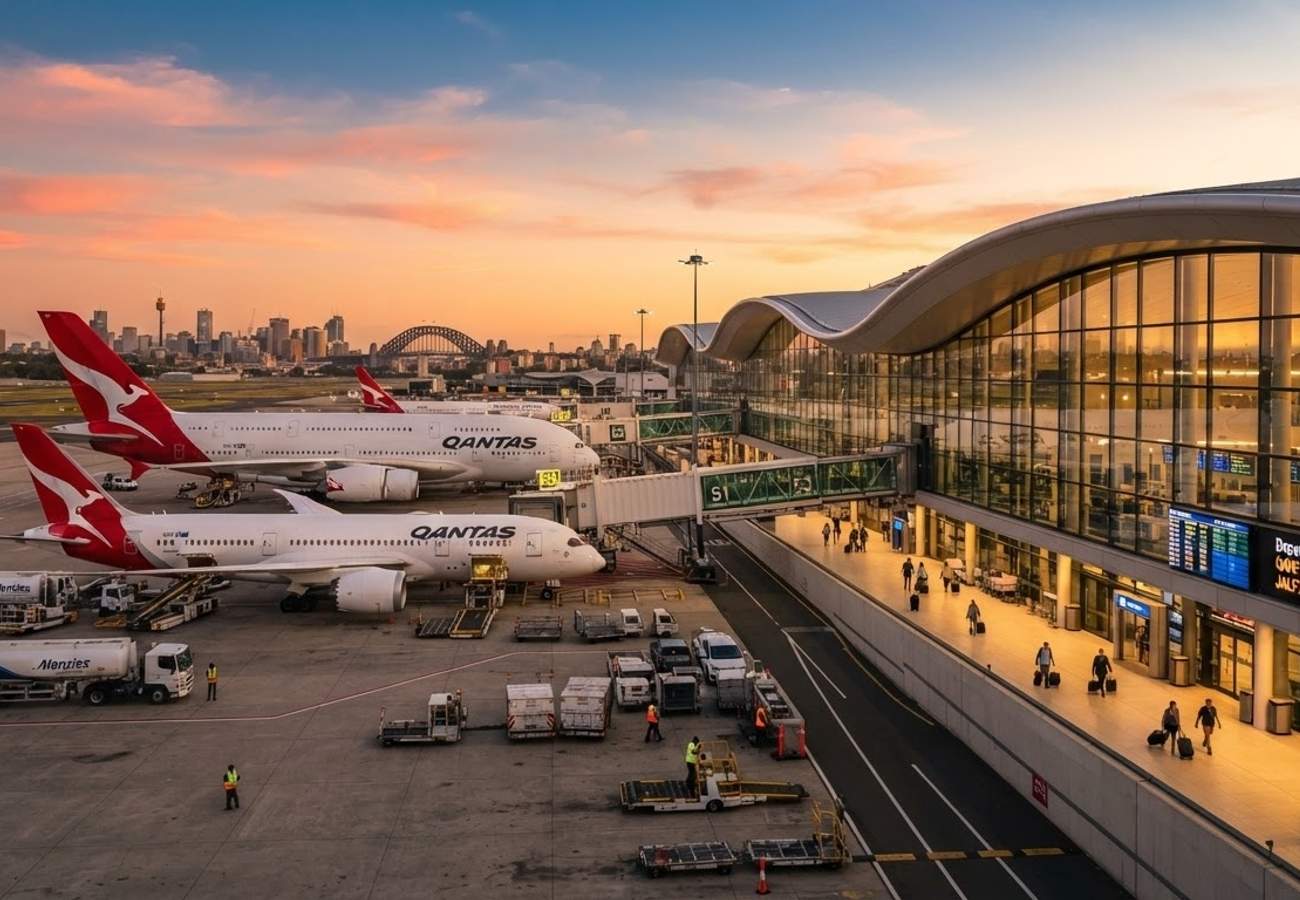
Image generated by AI
Australia's primary aviation gateway has shattered previous records, processing 10.78 million passengers in the first three months of 2026. This surge is led by a significant rebound in international demand, particularly from North Asian markets.
The first quarter of 2026 has cemented Sydney Airport's position as the dominant hub in the Southern Hemisphere. According to recently released data for the March quarter, the airport handled 4.57 million international passengers—the highest first-quarter volume in its history. This marks a 5.8% increase compared to the same period in 2025.
The growth is not limited to overseas arrivals. Domestic and regional traffic also showed positive momentum, contributing to a total year-on-year passenger increase of 3.6%. This trajectory suggests that the post-pandemic recovery has transitioned into a phase of sustained expansion.
Despite geopolitical instability affecting certain Middle Eastern flight paths, international flows remained resilient. Airlines have successfully mitigated these risks through tactical routing adjustments and schedule optimizations, ensuring that capacity remained stable during the opening months of the year.
Asia-Pacific Corridors Drive International Growth
The record-breaking figures are largely attributed to a powerful surge in demand across the Asia-Pacific region. Double-digit growth was recorded on routes connecting Sydney to mainland China and New Zealand.
Key hubs experiencing significant uplifts include:
- Guangzhou and Hong Kong: Exceptional growth in passenger volumes.
- Seoul and Shanghai: Solid gains, serving as critical transit points for travelers heading toward North America and Europe.
- Kuala Lumpur: Increased capacity from both full-service and low-cost carriers.
This regional shift is more than just a tourism trend; it has significant implications for trade. The increase in passenger flights has expanded bellyhold freight capacity, benefiting Australian exports and encouraging airlines to increase their aircraft and crew basing within the country.
Domestic Network Stability and Route Performance
While international figures dominate the headlines, the domestic sector remains the airport's bedrock. In Q1 2026, Terminals 2 and 3 processed 6.20 million passengers, a growth of just over 2% compared to Q1 2025.
The "golden triangle" routes—connecting Sydney to Melbourne, Brisbane, and the Gold Coast—remain the busiest corridors. Government network data indicates that these routes are benefiting from healthy competition and an improved supply of available seats. Additionally, consistent business and leisure traffic continues to support links to Perth, Adelaide, and Hobart.
Airservices Australia reports that the broader national network is showing increased resilience. While weather-related ground delays occurred in March 2026, they were brief and isolated, suggesting that improved coordination between airlines and airport management is reducing systemic knock-on effects.
Infrastructure Upgrades to Manage Record Volumes
To prevent the record crowds from causing terminal gridlock, Sydney Airport has implemented several technology-driven operational upgrades.
The most notable improvement is the rollout of CT-enabled security lanes in Terminal 2. These scanners allow passengers to keep liquids and laptops inside their bags, significantly accelerating the screening process.
Key Operational Enhancements:
- Terminal 2: New self-service BagTag kiosks and automatic bag drops.
- Terminal 3: Installation of 24 new automatic bag drops.
- Processing Times: The majority of domestic and international travelers cleared security in under 10 minutes during Q1.
Despite these internal wins, the airport still faces challenges with surface access. While domestic kerbside drop-offs are performing well, the international precinct continues to experience congestion levels that exceed pre-pandemic benchmarks, triggering new traffic management reviews.
Sydney Airport Q1 2026 Traffic Summary
| Metric | Q1 2026 Volume | Year-on-Year Change |
|---|---|---|
| Total Passengers | 10.78 Million | +3.6% |
| International Passengers | 4.57 Million | +5.8% |
| Domestic/Regional Passengers | 6.20 Million | +2.0% |
Future Outlook for Australian Aviation
The momentum seen in early 2026 serves as a bellwether for the rest of the year. Slot management data from late March 2026 reveals a sharp increase in airline requests for international take-off and landing slots, far exceeding historical baselines.
This appetite for expansion indicates that carriers expect the current travel surge to persist through the second half of the year. For the traveler, this likely means more flight options and competitive pricing, though the pressure on terminal capacity and airport access will remain a critical point of friction.
Sydney's ability to scale its infrastructure in real-time will determine if this record-breaking growth remains a benefit or becomes a bottleneck.
Related Travel Guides
Disclaimer
This article is for informational and educational purposes only. It does not constitute legal, financial, or professional advice. While we strive to provide accurate and up-to-date information, travel policies, regulations, and conditions change rapidly. Always verify information with official sources before making travel decisions. Nomad Lawyer makes no representations about the accuracy, reliability, completeness, or suitability of the information provided. Readers should consult qualified professionals for advice specific to their circumstances. The views expressed in this article are those of the author and do not necessarily reflect the views of Nomad Lawyer.
Preeti Gunjan
Contributor & Community Manager
A passionate traveller and community builder. Preeti helps grow the Nomad Lawyer community, fostering engagement and bringing the reader experience to life.
Learn more about our team →