
Swiss International Air Lines Updates 2026 Ticket Name Correction Rules and Fee Structures
Swiss International Air Lines has implemented stricter 2026 guidelines distinguishing between minor typographical corrections and full legal name changes, impacting passenger fees and rebooking requirements.

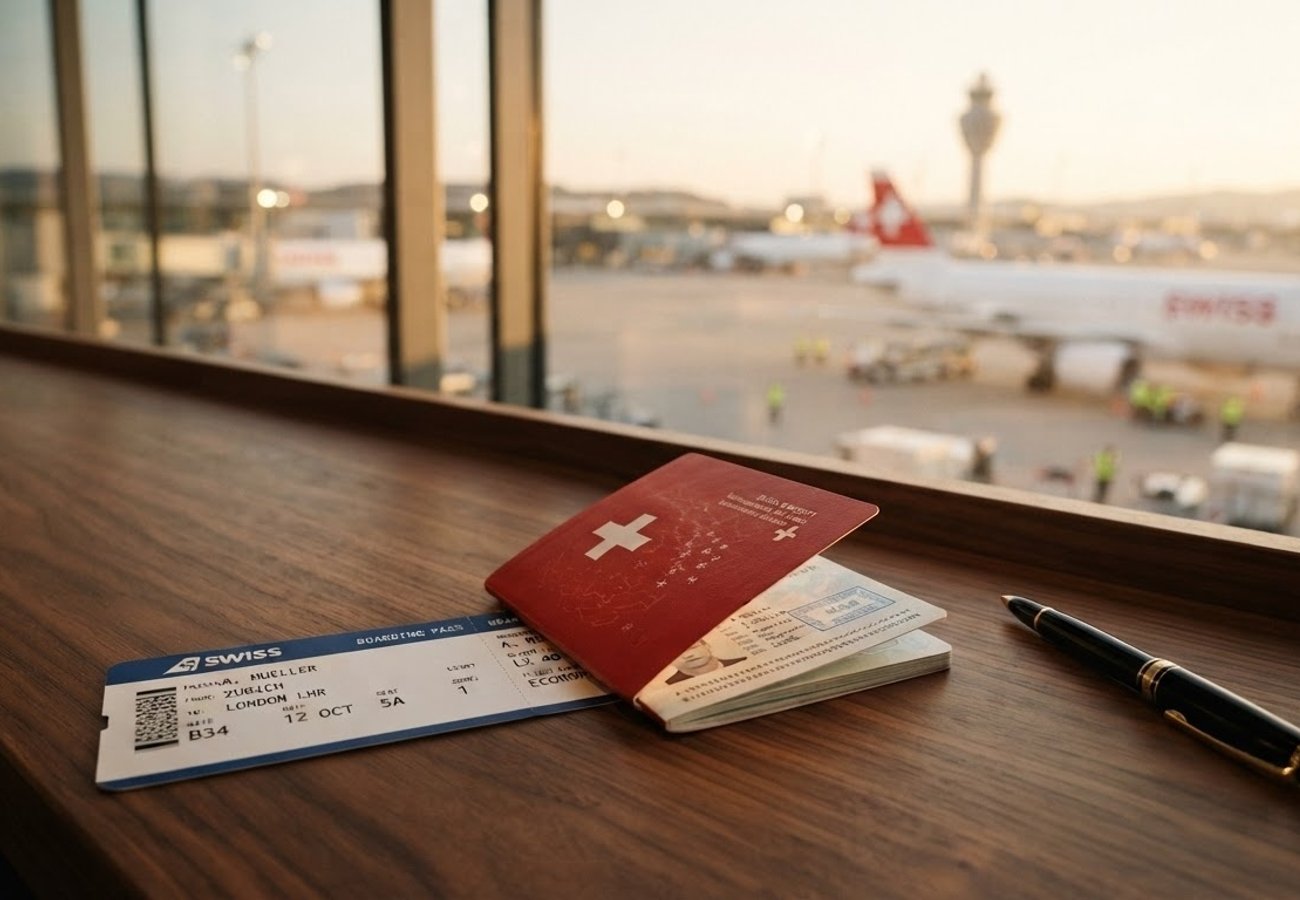
Image generated by AI
Mistyping a single letter on a flight booking can now lead to a complex choice between a simple administrative fix or a costly full ticket reissue. Swiss International Air Lines has refined its 2026 protocols to create a rigid distinction between "corrections" and "changes," directly affecting how passengers resolve identity errors on their itineraries.
Defining Corrections vs. Name Changes in 2026
Swiss International Air Lines has established a clear boundary to prevent the unauthorized transfer of tickets between passengers. Under the 2026 framework, a name correction is strictly defined as a minor adjustment to ensure the ticket matches the passenger's official travel document.
Typical scenarios qualifying as corrections include:
- Fixing typographical errors in the first or last name.
- Adjusting misplaced or swapped letters.
- Harmonizing the ticket spelling with a passport that confirms the same identity.
Conversely, the airline classifies the following as name changes, which are subject to much stricter conditions:
- Substituting one traveler for another.
- Reversing first and last names in a manner that suggests a different identity.
- Updating a ticket to reflect a legal name change that is not yet documented on the traveler's passport.
This distinction is critical because corrections generally maintain the original reservation and ticket number. A full name change, however, often triggers a complete ticket reissue, which may involve refund rules, fare differences, and entirely new contract conditions.
Eligibility Criteria for Name Adjustments
For a request to be processed as a routine correction in 2026, Swiss requires that the traveler, the route, and the flight dates remain identical. The primary objective is to align the booking with a national ID or passport without altering the identity of the passenger.
The ease of this process depends heavily on the booking channel:
- Direct Bookings: Corrections are most straightforward when Swiss is both the ticketing and operating carrier.
- Third-Party Bookings: If a ticket was issued via a travel agency or online platform, Swiss typically requires the passenger to process the correction through that intermediary, meaning the agency's own terms may apply.
- Codeshare Itineraries: Flights involving partner airlines are more complex. If a partner carrier has narrower correction limits than Swiss, the request may be denied even if it fits Swiss's internal policy. In these cases, passengers may be forced to cancel and rebook at current market rates.
Timing also plays a role. Requests made immediately after purchase are more likely to be handled under flexible fare conditions, whereas last-minute changes close to departure may face higher scrutiny or system-based refusals.
Fee Structures and Cost Calculations
Swiss utilizes a layered pricing model for name corrections in 2026. The final cost is determined by the sales channel, the market, and the specific fare class of the ticket.
Administrative and Fare Costs
For simple spelling fixes, the airline primarily charges administrative fees. While some premium fare categories may have these fees waived, promotional or heavily discounted tickets typically incur higher fixed charges.
If a correction necessitates a ticket reissue, passengers may be liable for a fare difference. This occurs if the original booking class is sold out or if government taxes and fuel surcharges have increased since the date of purchase. In such instances, the traveler must pay both the service fee and the price gap.
Full Rebooking Costs
When a request is classified as a full name change (such as a change of passenger), Swiss treats the transaction as a new booking. This process involves:
- Canceling the original ticket based on its specific fare rules.
- Paying any applicable cancellation fees.
- Purchasing a new ticket at the current prevailing fare.
Passengers using third-party agencies should be aware that intermediaries often add their own service charges on top of the airline's fees, which can sometimes exceed the value of a low-cost ticket.
Handling Complex Identity Scenarios
The 2026 rules provide specific guidance for common but complex identity issues:
Middle Names and Initials Swiss generally maintains flexibility regarding missing middle names or abbreviated initials, provided the primary first and last names are an exact match with the passport.
Compound and Non-Latin Surnames Travelers with multi-part surnames, compound family names, or names using non-Latin characters may face increased scrutiny. This is due to the reliance of international immigration systems on exact alphanumeric matches.
Civil Status Changes Legal name changes resulting from marriage or divorce are handled strictly. If the name on the passport differs from the booking due to a change in civil status, Swiss typically requires the ticket to be reissued. This is viewed as a change in legal identity, triggering the more restrictive and expensive name change protocols.
Summary of 2026 Name Correction Framework
| Scenario | Classification | Typical Requirement | Cost Impact |
|---|---|---|---|
| Typo/Spelling Error | Correction | Valid Passport/ID | Admin Fee (varies by fare) |
| Missing Middle Name | Correction | First/Last Name Match | Often waived or low fee |
| Legal Name Change | Name Change | Updated Legal Docs | Reissue Fee + Fare Diff |
| Passenger Swap | Name Change | New Passenger ID | Cancellation Fee + New Fare |
| Partner/Codeshare | Variable | Partner Airline Approval | Varies by Partner Policy |
Key Takeaways
- Correction $\neq$ Change: Minor typos are "corrections"; identity shifts are "changes."
- Documentation is Key: All corrections must align perfectly with a valid passport or national ID.
- Channel Matters: Bookings via third-party agencies must be corrected through the agency, not directly with Swiss.
- Fare Differences Apply: Reissuing a ticket for a name fix can trigger current market price increases.
- Early Action: Correcting errors immediately after booking increases the likelihood of lower fees.
FAQ
Can I change the name on my Swiss flight to let a friend travel instead? No. Under 2026 rules, substituting a traveler is classified as a name change, not a correction. This usually requires canceling the original ticket and purchasing a new one.
What happens if my middle name is missing from my ticket? As long as your first and last names exactly match your passport, Swiss generally treats missing middle names or initials with flexibility.
Will a legal name change due to marriage be free? Unlikely. Changes in legal identity usually require a ticket reissue, which may involve fees and fare differences.
Precision during the booking process remains the only guaranteed way to avoid 2026 administrative penalties.
Related Travel Guides
Disclaimer
This article is for informational and educational purposes only. It does not constitute legal, financial, or professional advice. While we strive to provide accurate and up-to-date information, travel policies, regulations, and conditions change rapidly. Always verify information with official sources before making travel decisions. Nomad Lawyer makes no representations about the accuracy, reliability, completeness, or suitability of the information provided. Readers should consult qualified professionals for advice specific to their circumstances. The views expressed in this article are those of the author and do not necessarily reflect the views of Nomad Lawyer.
Raushan Kumar
Founder & Lead Developer
Full-stack developer with 11+ years of experience and a passionate traveller. Raushan built Nomad Lawyer from the ground up with a vision to create the best travel and law experience on the web.
Learn more about our team →