
Spain’s Leading Publications Ignite Strong Spanish Visitor Inflow and Highlight Untouched Southern Hotspots, Accelerating Sustainable Tourism in Costa Rica: New Travel Alert
Costa Rica experiences a 15.3% surge in Spanish arrivals for early 2026, driven by high-profile travel features spotlighting its untouched southern biodiversity corridors.

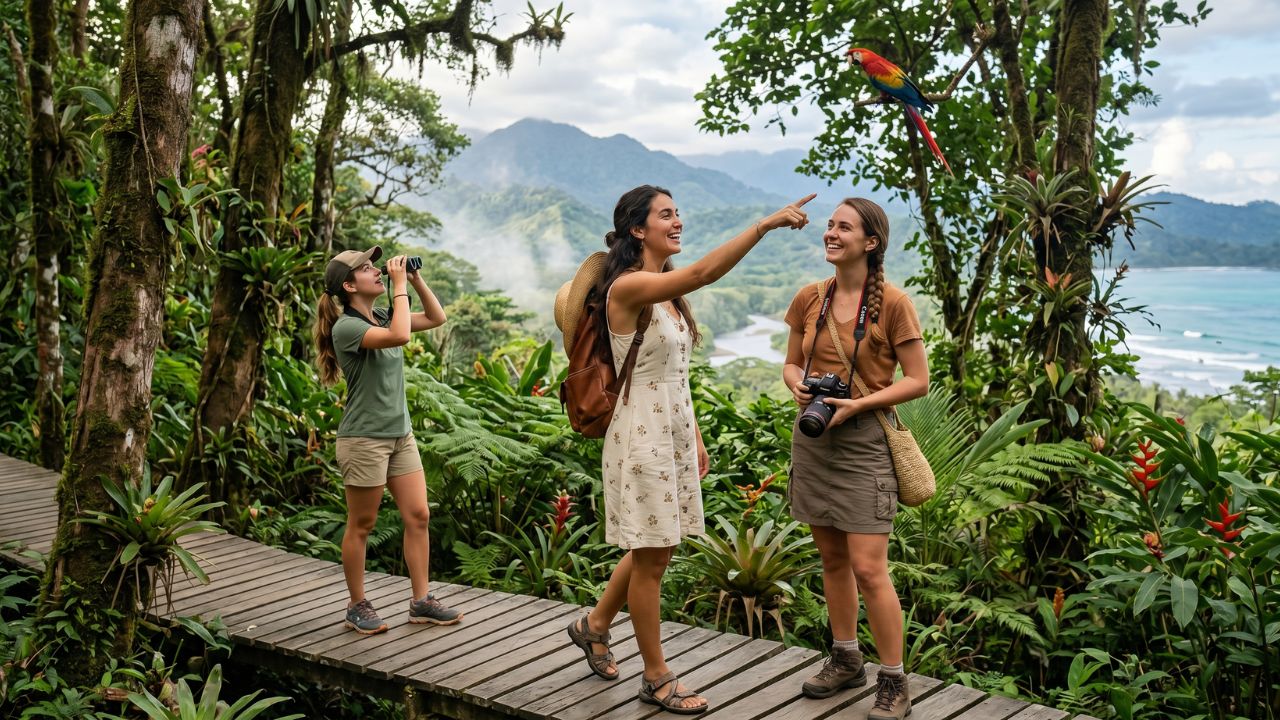
Image generated by AI
Published on June 21, 2026
International travelers are focusing on Central America as Costa Rica reports a substantial increase in European arrivals, driven by high-profile features in Spain’s leading newspapers and travel publications promoting sustainable tourism in Costa Rica. This rising media coverage has spotlighted the country's untouched southern regions, leading to a notable 15.3% increase in air arrivals from Spain in early 2026. Visitors planning journeys to these pristine biological corridors are encouraged to verify lodging credentials and book low-density eco-tours to protect the fragile rainforest ecosystems.
Quick Summary
- Spanish Arrival Surge: Outbound arrivals from Spain reached 20,178 visitors by air during the first five months of 2026, a 15.3% year-on-year increase.
- Media Spotlight: Major Spanish outlets, including El País, Elle, Travel + Leisure, and La Razón, have published features highlighting Costa Rica's conservation model.
- Untouched South: Travel narratives are shifting focus toward the remote Southern Corridor, specifically the cantons of Golfito and Coto Brus.
- Biological Corridors: Attention is centered on Piedras Blancas National Park, one of Central America's most important biological paths, and Pavones Beach's long surf break.
- European Ranking: Spain has solidified its position as Costa Rica's fourth-largest European source market, behind Germany, France, and the United Kingdom.
Context Paragraph:
The publication of the first-half travel statistics by the Costa Rican Tourism Institute (ICT) reflects a growing traveler preference for eco-conscious, low-density destinations. As European markets demand travel choices that combine environmental conservation with authentic local experiences, the government's long-standing policy of protecting national territory through parks and reserves has become a key competitive advantage. This alignment between media exposure and visitor preferences is driving significant arrival numbers, highlighting the success of sustainable tourism in Costa Rica.
Event and Incident Details: Media Coverage Drives Sustainable Tourism in Costa Rica
The rise in European visitor interest is closely linked to a wave of high-profile travel features in leading Spanish media. High-value travelers seeking nature, wellness, and soft adventure have been influenced by detailed articles in major publications. Outlets like El País, Elle, Travel + Leisure, and La Razón have highlighted the country's unique mix of cloud forests, volcanic landscapes, and dual-ocean coastlines, framing it as a leading example of responsible travel.
This coverage has had a direct impact on arrival figures. The Costa Rican Tourism Institute (ICT) confirmed that 20,178 Spanish tourists arrived by air during the first five months of 2026. This 15.3% increase compared to the same period in 2025 highlights Spain’s growing importance in the Central American travel market.
To show the breakdown of the European inbound travel market to Costa Rica and the role of Spain, the table below lists the top source countries and their current rankings:
| European Market Rank | Source Country | Inbound Traffic Status (Jan-May 2026) | Primary Travel Preferences & Themes |
|---|---|---|---|
| 1st | Germany | Leading European volume contributor | Long-duration nature exploration, birdwatching, national parks |
| 2nd | France | High volume of inbound arrivals | Immersive cultural experiences, eco-lodges, volcanic hikes |
| 3rd | United Kingdom | Major long-haul passenger source | Coastal wellness retreats, cloud forest canopy tours, luxury eco-tourism |
| 4th | Spain | 20,178 visitors by air (+15.3% growth) | Soft adventure, southern biological corridors, experiential travel |
| 5th | Italy & Spain's Neighbors | Developing growth segments | Wildlife observation, marine safaris, low-density coastlines |
Risk and Impact: Navigating Growth in Fragile Southern Biodiversity Hotspots
While the increase in visitors supports the local economy, it also highlights the need to manage traffic in sensitive environmental zones:
- Pressure on Remote Communities: The sudden interest in Golfito and Coto Brus requires local infrastructure to adjust quickly to protect rural communities.
- Habitat Protection in Biological Corridors: Piedras Blancas National Park, a critical path for Central American wildlife, faces increased foot traffic that must be carefully managed.
- Managing Low-Density Coastal Areas: Popular spots like Pavones Beach, famous for its long left-hand surf break, require careful management to preserve their relaxed, uncommercialized atmosphere.
- Strict Licensing Requirements: Unlicensed eco-lodges and tour operators in the south face closer inspection by municipal authorities to ensure compliance with green building and waste management rules.
- Ensuring Balanced Regional Traffic: Tourism authorities must encourage visitors to explore lesser-known areas to prevent overcrowding in established destinations like Manuel Antonio or Arenal.
What Tourism Authorities and Media Outlets Say About Sustainable Tourism in Costa Rica
Tourism officials and editorial writers are highlighting the positive impact of this media attention. In a travel section feature in El País, writers described the southern zone as Costa Rica's "secret south," encouraging travelers to look beyond traditional tour itineraries. This perspective supports the government's goal of distributing tourism revenue to remote cantons while promoting low-density, high-value travel.
According to statements from the Costa Rican Tourism Institute (ICT), the country's ability to offer compact travel routes between distinct environments is a major draw. Travelers can easily move from dense rainforests to mountain ranges and coastal reserves within short distances. This ease of travel, combined with a well-developed network of licensed eco-lodges and sustainable guides, helps the country maintain its status as a leading responsible tourism destination.
Practical Traveler Advice: Exploring Costa Rica’s Remote Southern Corridor Responsibly
Travelers planning to visit Costa Rica's southern regions should follow these practical tips:
- Choose Certified Sustainable Accommodations: Book stays at eco-lodges that hold the Certificate for Sustainable Tourism (CST) issued by the ICT.
- Hire Licensed Local Guides: Ensure your nature guides are certified by the ICT to support the local economy and ensure accurate wildlife education.
- Respect Wildlife Viewing Boundaries: Keep a safe distance from animals during hikes, birdwatching tours, or boat trips, and never feed wild animals.
- Prepare for Pavones Surfing Conditions: If visiting Pavones Beach for its famous left-hand break, be aware of strong currents and respect local surf etiquette.
- Pack Biodegradable Gear: Use eco-friendly sunscreen and insect repellent to protect the marine and freshwater ecosystems in Golfito.
- Understand Regional Travel Logistics: The southern zone is remote; plan transport routes carefully and allow extra travel time between Piedras Blancas and main airport hubs.
Broader Context: Costa Rica's Conservation Model and the European Market
The growth of sustainable tourism in Costa Rica is built on decades of environmental policy. By protecting over a quarter of its land through national parks, wildlife refuges, and biological reserves, the country has created a successful model of conservation-led tourism. This approach aligns closely with the preferences of European travelers, who increasingly seek out destinations that focus on environmental protection, wellness, and responsible resource use.
This model is particularly effective in the southern corridor. The cantons of Golfito and Coto Brus, once dependent on agricultural economies, have successfully transitioned to eco-tourism. The protection of Piedras Blancas National Park has helped preserve vital rainforest corridors connecting to the Osa Peninsula, ensuring that key habitats remain intact while providing sustainable livelihoods for local communities.
What to Expect Next / Looking Ahead
For the remainder of 2026, the Costa Rican Tourism Institute (ICT) plan to continue their promotional campaigns in Europe, focusing on Spain, Germany, France, and the UK. Travelers can expect further improvements in direct flight connections between Europe and San José, making the country even more accessible. Local conservation groups and municipal leaders will continue monitoring traffic levels in Coto Brus and Golfito to ensure that new infrastructure projects meet the country's strict environmental standards.
Conclusion
The recent surge in visitor arrivals from Spain shows that sustainable tourism in Costa Rica continues to attract travelers seeking pristine natural environments. By focusing media attention on the remote southern corridor, publications have helped highlight areas like Golfito, Coto Brus, and Piedras Blancas National Park. By choosing certified sustainable providers, respecting local wildlife, and exploring remote regions responsibly, visitors can support conservation efforts and experience the natural beauty of Costa Rica.
Related Travel Guides
- Vietnam Launches Eco-Wellness Initiatives in Phong Nha to Capture Global Ecotourism Market: Latest Update
- Azerbaijan Expands Visa-Free Access to Fuel Inbound Tourism Growth Across Baku and Regional Gateways: New Update
- Israel and Gulf Powers Closely Monitor US-Iran Switzerland Talks to Protect Commercial Flight Routes and Secure Aviation Corridors in the Middle East: New Travel Alert
FAQ: Sustainable Tourism and European Visitor Growth in Costa Rica
How much has the Spanish traveler market to Costa Rica grown in 2026?
Official figures from the Costa Rican Tourism Institute (ICT) report that Spanish air arrivals reached 20,178 during the first five months of 2026, representing a 15.3% increase compared to the same period in 2025.
What are the main attractions in Costa Rica’s southern corridor?
The southern region, including the cantons of Golfito and Coto Brus, is known for its biodiversity. Key highlights include Piedras Blancas National Park, vital biological corridors, and Pavones Beach, which features a famous long left-hand surf break.
Which European countries send the most tourists to Costa Rica?
Spain is Costa Rica's fourth-largest European source market. Germany ranks first, followed by France in second place, and the United Kingdom in third.
How does Costa Rica support sustainable tourism?
Costa Rica protects a significant portion of its land through national parks and reserves. It also uses the Certificate for Sustainable Tourism (CST) program to help travelers identify eco-friendly hotels, lodges, and tour operators.
Which Spanish publications have highlighted Costa Rica’s eco-tourism?
Leading Spanish newspapers and magazines, including El País, Elle, Travel + Leisure, and La Razón, have published features spotlighting Costa Rica's conservation efforts and remote southern regions.
Disclaimer
This article is for informational and educational purposes only. It does not constitute legal, financial, or professional advice. While we strive to provide accurate and up-to-date information, travel policies, regulations, and conditions change rapidly. Always verify information with official sources before making travel decisions. Nomad Lawyer makes no representations about the accuracy, reliability, completeness, or suitability of the information provided. Readers should consult qualified professionals for advice specific to their circumstances. The views expressed in this article are those of the author and do not necessarily reflect the views of Nomad Lawyer.
Raushan Kumar
Founder & Lead Developer
Full-stack developer with 11+ years of experience and a passionate traveller. Raushan built Nomad Lawyer from the ground up with a vision to create the best travel and law experience on the web.
Learn more about our team →