
Azerbaijan Expands Bilateral Travel Accords with Turkey, Russia, and Central Asia to Ignite a Tourism Frenzy, Accelerating Inbound Tourism in Azerbaijan: New Travel Alert
Azerbaijan's expanded visa-free policy triggers a massive inbound travel surge in 2026, boosting tourism in Azerbaijan through strategic bilateral accords.

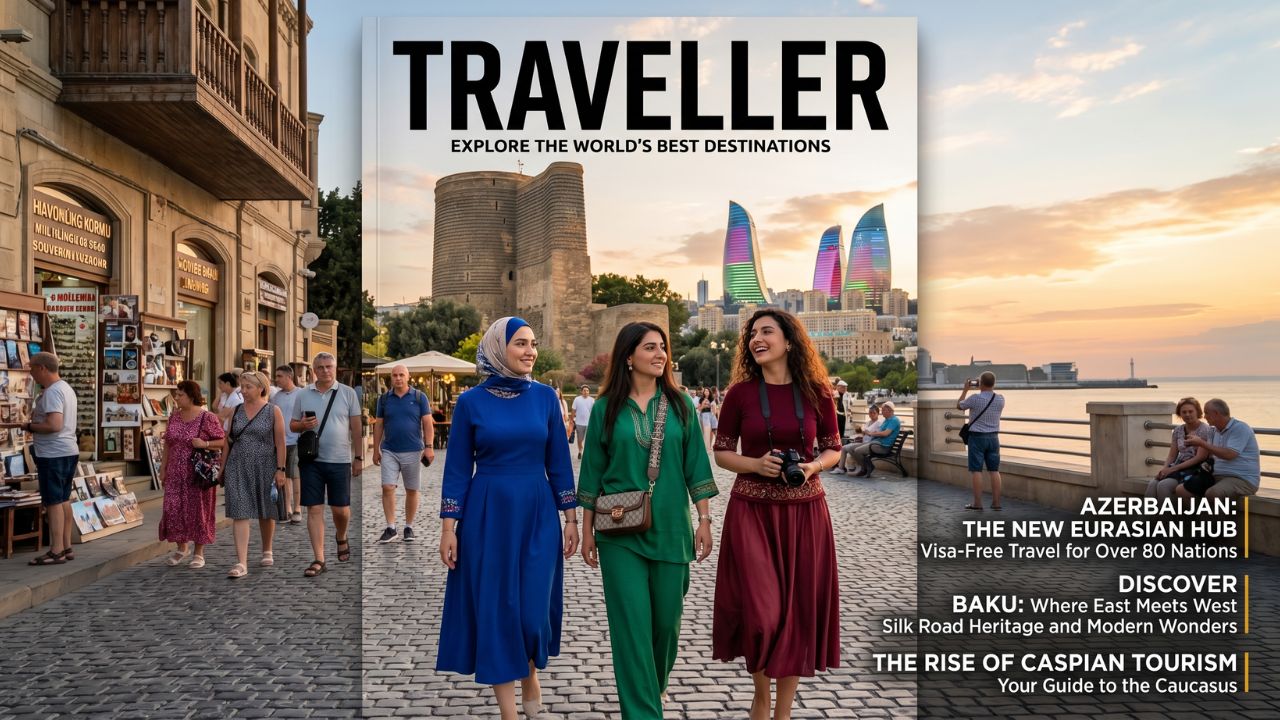
Image generated by AI
Published on June 21, 2026
Bilateral mobility corridors across the Caucasus are expanding rapidly as regional partnerships rewrite entry requirements on June 21, 2026. This aggressive expansion has fueled a historic rise in tourism in Azerbaijan, driven by a newly implemented visa-free regime for selected Eurasian and Balkan partners. International travelers transiting through or planning visits to the region should monitor these updated mobility rules to take advantage of simplified entry protocols.
Quick Summary
- Visa-Free Milestone: Azerbaijan has expanded bilateral visa-free entry agreements, easing access for CIS, Middle Eastern, Balkan, and Asian nations.
- Leading Feeder Markets: Turkey and Russia drive the largest inbound flows, with Turkish and Russian citizens enjoying up to 90 days of visa-free stays.
- Balkan Expansion: New European segments are growing rapidly as Serbia, Montenegro, and Bosnia and Herzegovina secure simplified entry access.
- Central Asian Growth: Kazakhstan and Uzbekistan lead a Caspian-to-Caspian tourism corridor under CIS reciprocal mobility agreements.
- Land-Border Influx: Georgia remains the most flexible land-route contributor, driving high-volume short-stay and weekend road trips to Baku.
The implementation of these bilateral mobility frameworks represents a key phase in Azerbaijan's strategy to diversify its visitor profile and boost non-oil GDP. Diplomatic announcements from parliamentary committees highlight the Caucasus corridor as a vital transit bridge connecting Europe and Asia. By reducing administrative barriers, national agencies aim to capture a larger share of cross-continental business, leisure, and cultural travel, positioning Baku as a major regional tourism hub.
Event and Incident Details: Visa-Free Bilateral Agreements Fuel Tourism in Azerbaijan
The expansion of visa-free travel to Azerbaijan is a result of coordinated diplomatic negotiations designed to boost cross-border connectivity and economic cooperation. Parliamentary disclosures presented at the Milli Majlis confirm that citizens of CIS, Middle Eastern, and Balkan partner countries can now enter the country without a visa for short-term stays. To support this influx, the State Tourism Agency of the Republic of Azerbaijan has upgraded local visitor services and expanded destination promotion campaigns.
The visa-free network covers a diverse group of strategic partner nations, each contributing to different segments of the local visitor economy. Turkey remains the largest single generator of inbound visits, supported by a 90-day visa-free allowance and shares in linguistics, culture, and business. Similarly, Russia plays a major role by supplying high volumes of leisure and business travelers, particularly from St. Petersburg and Moscow.
The table below outlines the primary visa-free partner countries and their typical permitted entry durations for 2026:
| Partner Country | Permitted Visa-Free Stay Duration | Primary Tourism and Economic Contribution |
|---|---|---|
| Georgia | Up to 1 year / extended stay | Flexible land-border entry; high-volume weekend road trips |
| Turkey | 90 days | High-frequency leisure and business connectivity (energy/trade) |
| Russia | 90 days | High-volume leisure visits; Caspian transit corridor |
| Belarus | 90 days | Stable CIS visitor base; structured group tours |
| Kazakhstan | 90 days | Caspian-to-Caspian energy and logistics travel links |
| Uzbekistan | 90 days | Rapidly growing Central Asian corridor (Tashkent-Baku route) |
| Kyrgyzstan | 90 days | Emerging Turkic mobility and trade partnerships |
| Tajikistan | 90 days | Central Asian cultural and family-based travel links |
| Moldova | 90 days | Eastern European outreach and trade visits |
| Ukraine | 90 days (framework-based) | Historical travel link; current flows vary due to geopolitics |
| Serbia | 90 days | Major Balkan tourism driver and aviation connector |
| Bosnia and Herzegovina | 90 days | Cultural heritage exchanges and niche travel markets |
| Montenegro | 90 days | Seasonal summer tourism booster; charter flights |
| North Macedonia | 90 days | Balkan travel linkage and cultural exchange |
| Albania | 90 days (select periods) | Strategic seasonal tourism and travel diversification |
Risk and Impact: Key Operational Considerations for Growth in Tourism in Azerbaijan
While the visa-free policy triggers a massive tourism frenzy, it also presents several transport and infrastructure management risks:
- Geopolitical Volatility: Travel flows from historical partners like Ukraine remain subject to regional geopolitical conditions, leading to fluctuating visitor volumes.
- Weekend Land-Border Congestion: Highly flexible arrangements with neighbors like Georgia drive massive cross-border road tourism, causing temporary traffic bottlenecks at Caucasus land entry points.
- Infrastructure Capacity Strain: High-frequency air connectivity from major feeders like Turkey and Russia increases passenger traffic at Baku airport, stretching local hotel and transit capacities.
- Bilateral Agreement Expirations: Facilitated entry policies with selected partners, such as Albania, remain limited to specific seasonal or diplomatic periods.
- Diversification Pressures: Managing distinct tourist segments from CIS, Balkan, and Central Asian regions requires rapid diversification of local hospitality and language services.
What Authorities and Diplomatic Bodies Are Saying
Government officials describe the updated visa regime as a key structural tool to support economic growth. Analysts from parliamentary committees emphasize that these bilateral agreements strengthen diplomatic trust and cross-border security. The Ministry of Foreign Affairs of Azerbaijan continues to coordinate negotiations to expand this visa-free network to additional Asian and Middle Eastern partners, aiming to further simplify transit procedures.
International travel experts note that Azerbaijan's layered mobility architecture serves as an example of how simplified border policies directly influence tourism demand. Tourism boards note that the strategy successfully shifts visitor demographics, bringing in new Balkan and Central Asian segments that complement the traditional CIS and Turkish visitor base. By maintaining stable visa agreements, Azerbaijan is establishing a resilient year-round travel ecosystem.
Practical Traveler Advice: Navigating Entry Guidelines for Azerbaijan
Travelers planning to visit or transit through Azerbaijan under the visa-free framework should follow these guidelines:
- Verify Permitted Stays: Confirm the exact number of days allowed for your nationality, as stays generally range from 90 days to one year.
- Register with State Migration Service: If your stay exceeds 15 days, you must register your temporary address with the migration authorities to avoid fines.
- Carry Valid Travel Documents: Ensure your passport has at least six months of validity remaining from your date of entry.
- Prepare for Land Border Regulations: Check the status of land checkpoints when traveling from Georgia, as border operating hours may vary.
- Monitor Dynamic Flight Bookings: Book your flights to Baku early, especially when traveling from high-frequency hubs like Istanbul or Moscow.
- Double-Check Seasonal Agreements: Confirm current visa statuses if traveling from countries with temporary or facilitated visa periods.
Broader Context: Regional Mobility and the Caucasus Gateway
The expansion of tourism in Azerbaijan takes place within a broader regional context where Eastern European and Central Asian nations are competing to attract global travelers. Azerbaijan's strategy leverages its geographic position at the crossroads of Europe and Asia, linking major transit corridors under reciprocal agreements. By building a stable travel corridor that connects the Caspian and Balkan regions, Baku is strengthening its role as a key gateway for business and leisure travel.
This mobility network is part of a larger diplomatic trend where nations like China, Uzbekistan, Morocco, and Oman are expanding visa-free travel to strengthen economic ties. As regional connectivity grows, the Caucasus corridor benefits from increased flight frequencies, new rail linkages, and modernized border facilities, making travel between neighboring states easier.
What to Expect Next / Looking Ahead
Parliamentary committees are expected to announce further additions to the visa-free network, with several Middle Eastern and Asian nations currently in bilateral negotiations. Travelers can expect increased direct flight routes between Baku and Balkan capitals, along with further development of regional land transit options. Tourism authorities will continue to promote cultural and heritage itineraries to sustain visitor interest throughout the year.
Conclusion
Azerbaijan's expanded visa-free travel agreements represent a major milestone in the country's tourism and diplomatic strategy. By easing entry rules for strategic partners across Turkey, Russia, the Balkans, and Central Asia, the nation is successfully boosting inbound tourism in Azerbaijan. As these mobility networks continue to grow, Baku will strengthen its position as a central Caucasus travel hub and global transit gateway.
Related Travel Guides
- Saudi Arabia’s Tourism Plan Fuels Historic Travel Boom as Spending Reaches SAR 304 Billion and Arrivals Hit 123 Million: New Travel Alert
- Bulgaria Launches Major Cultural Tourism Campaign to Attract Turkish Travellers in Bulgaria Through Heritage Sites, Gastronomy Trails, and New Border Routes: New Travel Alert
- Greece Experiences a Stealth Economic Crisis as Middle East Conflict Drives Energy Inflation, Surging Ferry and Airfare Costs, and Shifting Tourism Flows Across the Eastern Mediterranean: Latest Update
FAQ: Azerbaijan Visa-Free Travel and Tourism Expansion
Which countries enjoy visa-free entry to Azerbaijan in 2026?
Citizens from Turkey, Russia, Belarus, Kazakhstan, Uzbekistan, Kyrgyzstan, Tajikistan, Moldova, Georgia, Serbia, Bosnia and Herzegovina, Montenegro, North Macedonia, and Albania enjoy visa-free access.
How long can Turkish and Russian citizens stay in Azerbaijan without a visa?
Turkish and Russian citizens are permitted to stay in Azerbaijan for up to 90 days under bilateral visa-free agreements.
What are the registration requirements for visitors to Azerbaijan?
Foreign nationals planning to stay in Azerbaijan for more than 15 days must register their temporary address with the State Migration Service.
Which country has the most liberal visa-free arrangement with Azerbaijan?
Georgia has the most flexible model, allowing Georgian citizens up to one year of extended stay in Azerbaijan without a visa.
What are the main benefits of the visa-free policy for Azerbaijan's tourism economy?
The policy boosts short-term leisure tourism, strengthens regional air and land transit corridors, increases business travel in trade and energy sectors, and attracts new visitor segments from the Balkans and Central Asia.
Disclaimer
This article is for informational and educational purposes only. It does not constitute legal, financial, or professional advice. While we strive to provide accurate and up-to-date information, travel policies, regulations, and conditions change rapidly. Always verify information with official sources before making travel decisions. Nomad Lawyer makes no representations about the accuracy, reliability, completeness, or suitability of the information provided. Readers should consult qualified professionals for advice specific to their circumstances. The views expressed in this article are those of the author and do not necessarily reflect the views of Nomad Lawyer.
Raushan Kumar
Founder & Lead Developer
Full-stack developer with 11+ years of experience and a passionate traveller. Raushan built Nomad Lawyer from the ground up with a vision to create the best travel and law experience on the web.
Learn more about our team →