
Strikes Construction Trigger Fresh Flight Disruptions in Argentina
Labor strikes and runway construction simultaneously disrupt hundreds of flights across Argentina in 2026, leaving over 64,000 passengers stranded at Buenos Aires hubs and forcing major route suspensions.

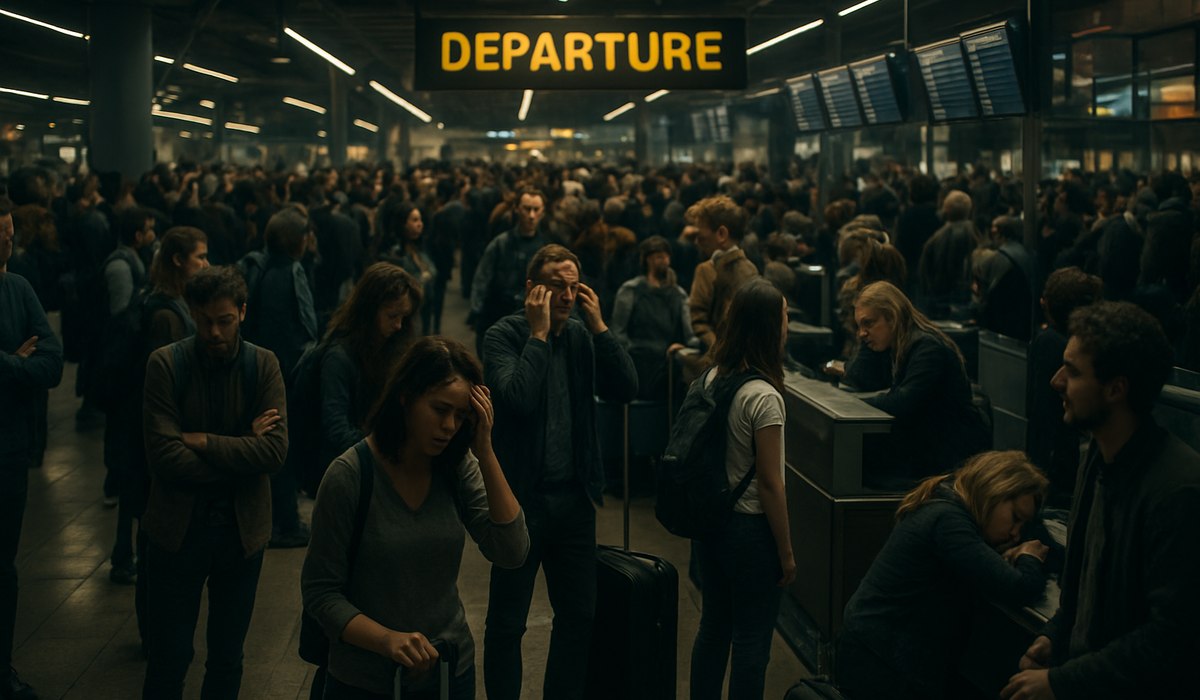
Image generated by AI
Dual Crisis: Labor Actions and Infrastructure Work Converge to Paralyze Argentine Aviation
Argentina's aviation system faces unprecedented strain as labor strikes and simultaneous runway construction at major hubs converge to cancel hundreds of flights in May 2026. Over 64,000 passengers have been stranded across Buenos Aires' Aeroparque Jorge Newbery and Ezeiza International Airport following coordinated union action linked to broader economic disputes. Multiple carriers including Aerolíneas Argentinas, LATAM, JetSmart, and Flybondi suspended significant portions of their schedules, with air traffic control slowdowns adding unpredictable delays to remaining services. This compound disruption represents one of Argentina's most severe aviation crises in recent years, affecting domestic routes to Patagonia and the northwest, plus critical international connections to neighboring countries and North America.
Strikes Leave Tens of Thousands of Passengers Stranded
Aviation unions orchestrated a nationwide general strike that forced Aerolíneas Argentinas, Argentina's flag carrier, to cancel approximately 255 flights in a single 24-hour period. This action alone displaced roughly 31,000 passengers who faced overwhelming congestion at rebooking desks and limited alternative flight availability within the same day. When LATAM, JetSmart, Flybondi, and regional operators are factored into the calculation, more than 400 flights disappeared from combined schedules during the protest window.
The labor dispute centers on government-proposed economic and labor reforms that unions argue threaten worker protections and benefits. Coverage from Argentine media outlets documents that while many flights were rescheduled in advance, the sheer volume of cancellations created cascading effects throughout the domestic network. Travelers heading to popular destinations including Bariloche, Mendoza, and cross-border routes to Chile and Uruguay encountered last-minute cancellations, forced connections through unplanned hub cities, and mandatory overnight stays in Buenos Aires at their own expense.
For context on airline passenger protections, visit the U.S. Department of Transportation consumer advocacy page, which outlines standards many international carriers follow regarding compensation and rebooking obligations.
Air Traffic Conflicts Add New Layers of Uncertainty
Separate from cabin crew and ground staff actions, Argentina's air traffic control personnel initiated their own work stoppages and deliberate slowdowns in response to stalled contract negotiations with Empresa Argentina de Navegación Aérea (EANA), the state-run airspace authority. These actions introduced a second disruptive layer independent of airline labor disputes, creating unpredictable scheduling challenges even for carriers prepared to operate normally.
Controllers executed targeted three-hour slowdowns during peak afternoon periods, which constrained the volume of aircraft that could land at or depart from congested Buenos Aires airspace. Even partial reductions in air traffic capacity trigger holding patterns, diversions to secondary airports, and missed onward connections across the region. The stop-start nature of controller actions—where unions suspend protests at short notice while warning of future measures—complicated planning for both airlines and passengers, as daily flight reliability shifted based on negotiations status.
Buenos Aires airspace remains particularly vulnerable to sequencing delays because of concentrated traffic density and limited alternative routing options. When air traffic procedures are altered, even minor capacity reductions cascade into significant delays across networks serving multiple South American countries.
Check FlightAware for real-time flight tracking and delay monitoring throughout any future disruptions in the Argentina region.
Impact on Major Carriers and Routes
Aerolíneas Argentinas bore the heaviest immediate impact, suspending 255 flights and stranding 31,000 passengers during the primary strike day. The carrier subsequently faced additional pressure from air traffic control slowdowns, which prevented it from returning to normal scheduling as quickly as operations teams anticipated.
LATAM Airlines temporarily suspended its Buenos Aires-to-Miami nonstop service due to runway construction at Ezeiza International Airport, the country's primary long-haul gateway. Affected passengers received rebooking offers through Santiago, São Paulo, or Lima, which added 4-10 hours to journey times while consuming limited connecting flight inventory. This suspension highlights how infrastructure work, while necessary for long-term airport improvements, generates short-term disruption for international passengers.
JetSmart and Flybondi, Argentina's leading low-cost carriers serving domestic routes, cancelled numerous flights to secondary cities including Salta, Córdoba, and Rosario. These carriers operate thinner margins and tighter schedules than legacy carriers, meaning strike-related cancellations cannot be absorbed through schedule adjustments alone.
Regional carriers serving cross-border destinations to Paraguay, Bolivia, and Uruguay faced cascading cancellations as downstream effects rippled through connecting hubs. Several carriers preemptively consolidated flights or cancelled marginal services entirely rather than risk operational failures during labor action periods.
For live tracking of affected flights and detailed delay information, consult FlightAware's Argentina airport tracker.
Live Tracking and Current Operational Status
Real-time flight status information is available through multiple aviation databases. FlightAware provides minute-by-minute updates on departure and arrival patterns at Buenos Aires hubs. Most airlines operating in Argentina have activated dedicated customer service hotlines and digital rebooking portals to manage the high volume of schedule changes.
Aeroparque Jorge Newbery, which handles primarily domestic regional service, operated at reduced capacity due to both labor actions and secondary effects from air traffic control slowdowns. Ezeiza International Airport, the country's main international hub, faced dual pressure from runway construction work and controller slowdowns, creating bottlenecks for both arrivals and departures. Neither airport has published specific recovery timelines as of the latest available information.
Passengers should monitor their airlines' official websites and mobile applications for status updates rather than relying solely on social media, which often contains incomplete or inaccurate information during operational crises.
Traveler Action Checklist
If your flight to or from Argentina is affected by these strikes or construction work, follow these steps immediately:
-
Contact your airline directly via the customer service phone number on your booking confirmation, not social media, to confirm cancellation status and explore immediate rebooking options.
-
Request rebooking on alternative carriers if your airline cannot accommodate you on another flight within 24 hours, particularly if you've already paid for transportation or accommodations.
-
Document all expenses including meals, hotels, and ground transportation if your airline doesn't provide them, as you may be entitled to reimbursement under international aviation regulations.
-
Review your airline's force majeure policy in their terms and conditions, as labor actions are sometimes classified as events outside the carrier's control, which may limit financial compensation eligibility.
-
Consider travel insurance claims if you purchased coverage that includes "strike disruption" provisions, and initiate the claims process immediately with photographic evidence of cancellation notices.
-
Verify your rebooking details in writing before leaving the airport, confirming seat assignments, baggage routing, and any connection windows have been adjusted for actual flight times.
-
Check visa and entry requirements if rerouting takes you through unexpected countries like Chile or Brazil, as your original itinerary may not have required transit visas.
-
Request written confirmation of any compensation or credit your airline offers, including exact amounts, expiration dates, and terms for future use.
What This Means for Travelers
The convergence of labor strikes and infrastructure work in Argentina during 2026 signals elevated travel risk to the country during peak tourism seasons. Bookings made two to three months in advance to Argentina should include flexible cancellation policies or comprehensive travel insurance covering strike-related disruptions. Travelers with fixed itineraries and no flexibility should strongly consider postponing Argentina trips until labor negotiations resolve and runway construction concludes, typically late June 2026 based on initial government announcements.
For those traveling regardless
Disclaimer
This article is for informational and educational purposes only. It does not constitute legal, financial, or professional advice. While we strive to provide accurate and up-to-date information, travel policies, regulations, and conditions change rapidly. Always verify information with official sources before making travel decisions. Nomad Lawyer makes no representations about the accuracy, reliability, completeness, or suitability of the information provided. Readers should consult qualified professionals for advice specific to their circumstances. The views expressed in this article are those of the author and do not necessarily reflect the views of Nomad Lawyer.
Kunal K Choudhary
Co-Founder & Contributor
A passionate traveller and tech enthusiast. Kunal contributes to the vision and growth of Nomad Lawyer, bringing fresh perspectives and driving the community forward.
Learn more about our team →