
Char Dham Yatra 2026 Guide: Dates, Routes, and Logistics for Uttarakhand Pilgrimages
Comprehensive analysis of the Char Dham Yatra 2026 circuit, covering official opening dates for Yamunotri, Gangotri, Kedarnath, and Badrinath, along with critical registration and health requirements.

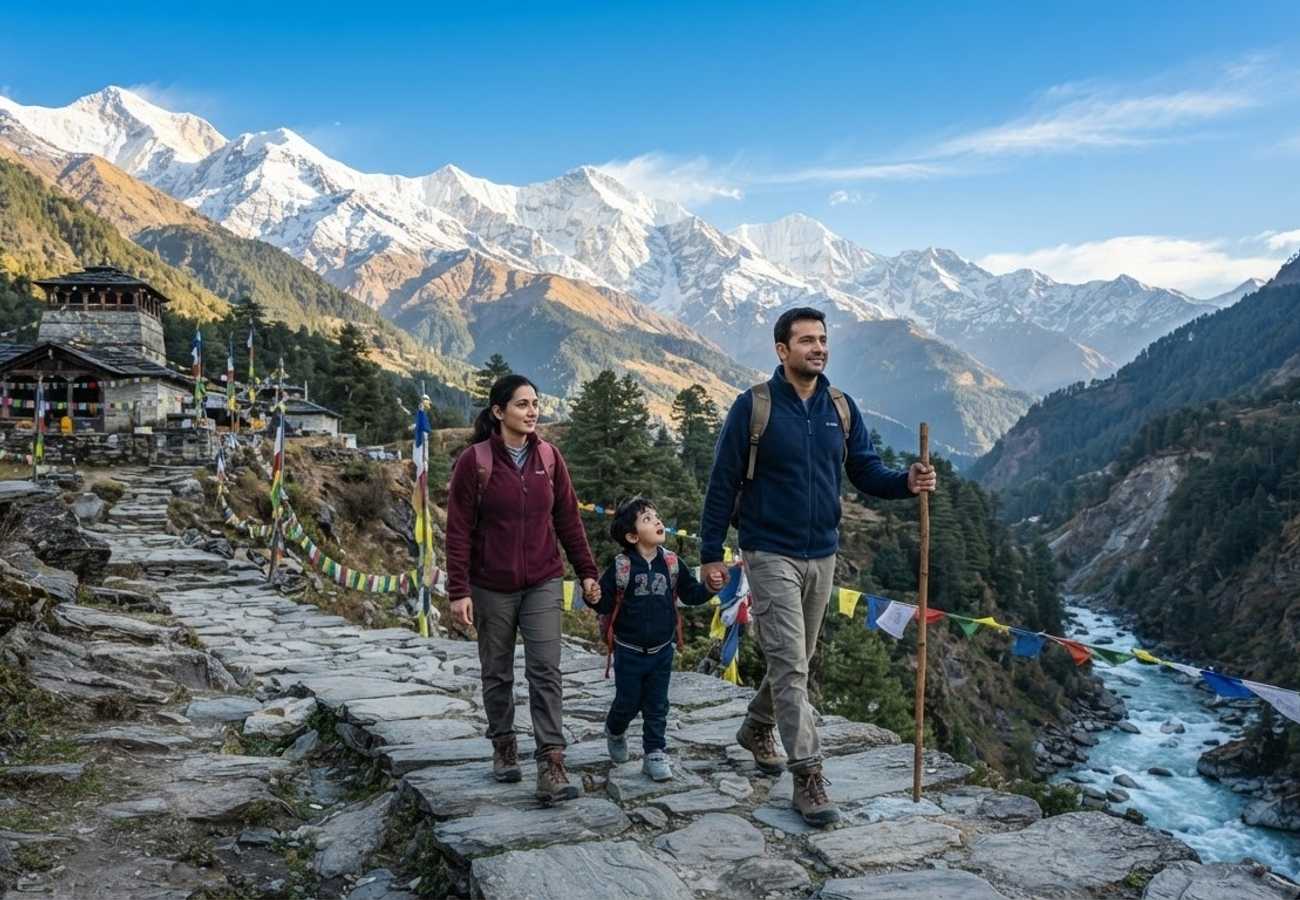
Image generated by AI
The 2026 Char Dham Yatra circuit is now active, requiring strict adherence to Uttarakhand government registration protocols and high-altitude health precautions.
The Char Dham Yatra remains one of the most demanding spiritual circuits in the world, traversing the Garhwal Himalayas to visit four distinct shrines: Yamunotri, Gangotri, Kedarnath, and Badrinath. Industry data indicates that the journey is as much a test of physical endurance as it is a spiritual pursuit, with weather volatility and terrain posing constant challenges to pilgrims.
The Four Sacred Shrines: Core Components
The circuit is defined by four distinct destinations, each dedicated to a primary deity and linked to the region's sacred river systems:
- Yamunotri: Dedicated to Goddess Yamuna; accessed via a trek from Janki Chatti.
- Gangotri: Dedicated to Goddess Ganga; situated near the Bhagirathi River.
- Kedarnath: A revered Jyotirlinga dedicated to Lord Shiva; involves a significant trek from Gaurikund.
- Badrinath: The abode of Lord Vishnu, located near the Alaknanda River and typically the final stop in the circuit.
2026 Operational Timeline and Weather Patterns
Temple access is strictly seasonal due to heavy winter snowfall. For the 2026 season, the shrines opened in late April.
Official 2026 Opening Dates
| Shrine | Opening Date 2026 | Primary Deity |
|---|---|---|
| Yamunotri | 19 April | Goddess Yamuna |
| Gangotri | 19 April | Goddess Ganga |
| Kedarnath | 22 April | Lord Shiva |
| Badrinath | 23 April | Lord Vishnu |
Market trends suggest that May and June remain the peak periods for travel, though September and early October offer cooler temperatures and reduced crowd density, making them preferable for senior citizens.
Logistics and Execution Strategy
A standard road-based pilgrimage typically requires 10 to 12 days. Most itineraries originate from Haridwar, Rishikesh, or Dehradun.
Transport Modalities
- Road: The most common method, offering full immersion but requiring higher physical stamina.
- Helicopter: Increasingly popular for reducing transit time and mitigating the physical strain of the Kedarnath and Yamunotri climbs.
- Guided Groups: Preferred by families to manage logistics, lodging, and temple timing.
Mandatory Requirements Registration via the Uttarakhand Tourist Care portal is compulsory. Travelers must carry:
- Government-issued ID (Aadhaar or equivalent).
- Printed registration slips and booking vouchers.
- Waterproof documentation pouches.
Critical Gear and Health Protocols
High-altitude sickness and rapid temperature drops are primary risks. Our analysis of the terrain suggests a tiered packing strategy:
- Clothing: Heavy woolens, thermal layers, waterproof jackets, and specialized trekking shoes.
- Medical: Personal prescriptions, First Aid kits, ORS, glucose, and motion sickness medication.
- Equipment: High-lumen torches and walking sticks for the Kedarnath and Yamunotri sectors.
For senior citizens, medical clearance is strongly advised prior to departure. The strategy for elderly travelers should prioritize frequent rest intervals and the avoidance of rapid ascent.
Why This Matters: Industry Implication
The shift toward helicopter packages and guided tours reflects a broader trend in "spiritual tourism" where accessibility is prioritized over traditional austerity. As the demographic of pilgrims ages, the infrastructure of the Garhwal Himalayas is under pressure to evolve.
The reliance on the Uttarakhand Tourist Care portal for registration signifies a move toward "managed tourism." By capping daily entries, the state attempts to prevent the ecological collapse of fragile mountain ecosystems and ensure pilgrim safety during landslides or flash floods. For the traveler, this means the window for spontaneous pilgrimage has closed; the 2026 season proves that precision planning and early booking are now mandatory for a successful Yatra.
Industry Outlook
Expect a continued increase in the integration of digital health monitoring for pilgrims and a further expansion of helicopter corridors to bypass treacherous road sections. As climate volatility increases in the Himalayas, the "safe window" for the Yatra may shift, potentially extending the September/October window as a viable alternative to the monsoon-heavy July and August periods.
A journey of faith, now managed by the precision of modern logistics.
Related Travel Guides
Disclaimer
This article is for informational and educational purposes only. It does not constitute legal, financial, or professional advice. While we strive to provide accurate and up-to-date information, travel policies, regulations, and conditions change rapidly. Always verify information with official sources before making travel decisions. Nomad Lawyer makes no representations about the accuracy, reliability, completeness, or suitability of the information provided. Readers should consult qualified professionals for advice specific to their circumstances. The views expressed in this article are those of the author and do not necessarily reflect the views of Nomad Lawyer.
Preeti Gunjan
Contributor & Community Manager
A passionate traveller and community builder. Preeti helps grow the Nomad Lawyer community, fostering engagement and bringing the reader experience to life.
Learn more about our team →