
Best Neighborhoods in Salt Lake City for Renters: 2026 Rental Market Analysis and Guide
An expert analysis of the Salt Lake City rental market for 2026, identifying the top five neighborhoods based on cost, transit access, and lifestyle for relocating professionals.

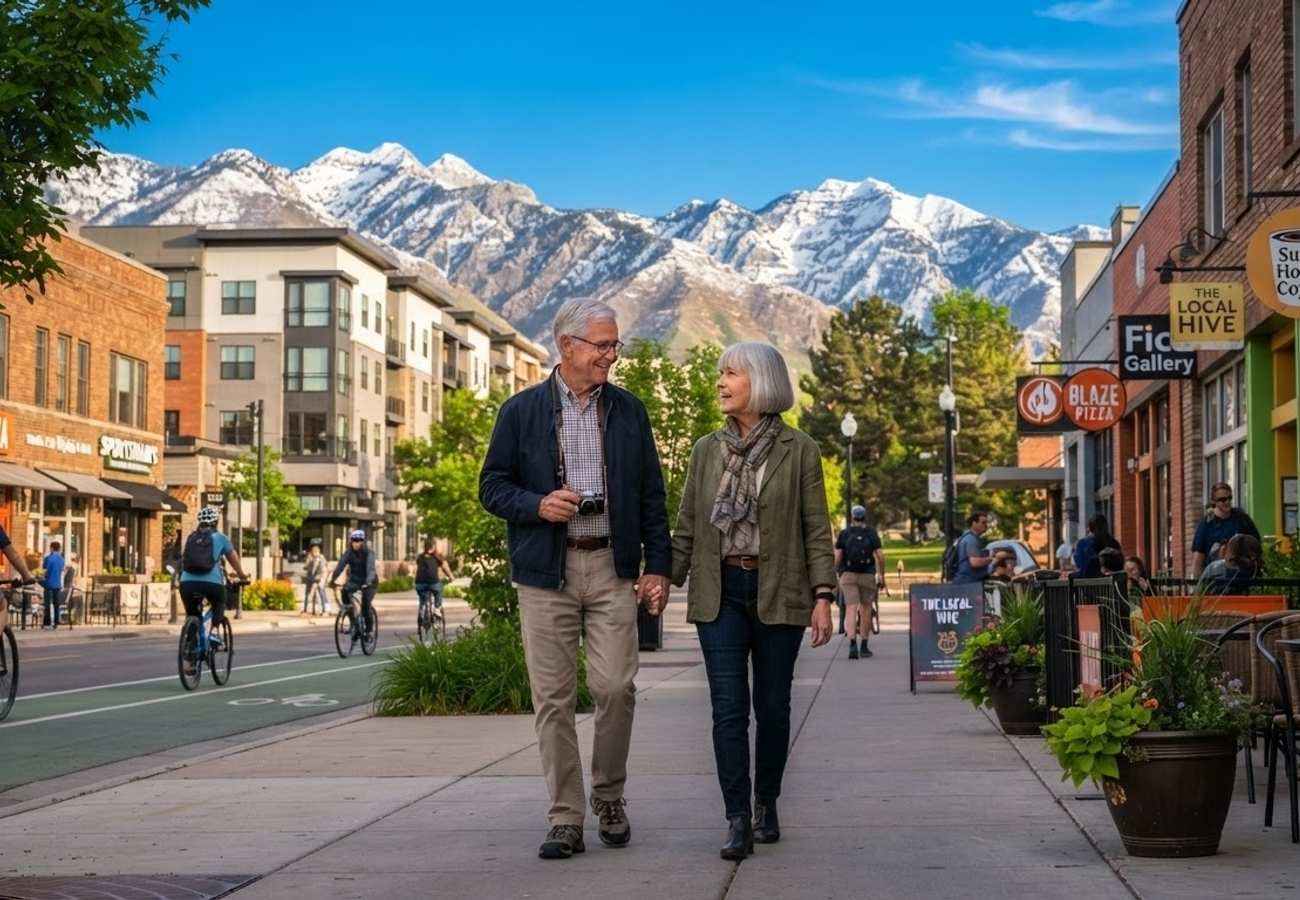
Image generated by AI
Salt Lake City's rental market remains a strategic choice for professionals due to its balance of manageable living costs and immediate access to the Wasatch Range. The city's infrastructure, specifically the TRAX light rail system, continues to dictate rental demand and neighborhood desirability.
The current landscape is defined by a growing job market and a distinct divide between high-density urban cores and residential foothill corridors. For renters, the choice of neighborhood now depends heavily on the trade-off between walkability and square footage.
High-Demand Rental Zones
Market data identifies five primary neighborhoods that offer the best utility for renters based on availability, proximity to employment hubs, and overall livability.
Sugar House This established area is a premier choice for those prioritizing a "village" feel. Centered on Highland Drive and 2100 South, it offers a dense concentration of independent boutiques and eateries. The 111-acre Sugar House Park serves as a central anchor. While the S-Line streetcar provides a vital link to the city center, the area is characterized by extreme vehicle dependency for non-central errands.
Downtown Salt Lake City The most connected hub in the city. Renters here trade quietude for proximity to the Eccles Theater, City Creek Center, and the Clark Planetarium. It is the only zone where a car is truly optional, given the convergence of TRAX lines serving the airport and the University of Utah.
Greater Avenues Located in the Wasatch foothills, this area is preferred by those seeking historic architecture and scenic vistas. It provides a quieter residential atmosphere while remaining within two miles of the downtown core. However, the steep terrain significantly impacts walkability.
Central Salt Lake City A strategic middle ground connecting downtown to the University of Utah. The 9th and 9th district is a focal point for culture, featuring the Tower Theatre and independent bookstores. This area boasts some of the highest transit scores in the city.
Millcreek Positioned south of the urban core, Millcreek is the primary option for renters requiring more interior space and a suburban pace. It provides direct access to Millcreek Canyon for outdoor recreation and has a growing commercial strip along 3300 South.
Comparative Rental Data (2026)
The following data outlines the financial and spatial metrics for 1-bedroom units across the top neighborhoods compared to the city average.
| Neighborhood | Avg. 1-BR Rent | Avg. Size (sq. ft.) | Walk Score | Transit Score | Drive Score |
|---|---|---|---|---|---|
| City Average | $1,431 | N/A | N/A | N/A | N/A |
| Sugar House | $1,693 | 726 | 40 | 30 | 100 |
| Downtown SLC | $1,163 | 647 | 40 | 20 | 70 |
| Greater Avenues | $1,146 | 609 | 40 | 20 | 70 |
| Central SLC | $1,631 | 682 | 60 | 80 | 100 |
| Millcreek | $1,411 | 703 | 60 | 40 | 70 |
Why This Matters: Industry Implication
Our analysis of the Salt Lake City housing data reveals a paradoxical trend: the most "connected" areas (Downtown and Greater Avenues) currently show lower average rents for 1-bedroom units than the "lifestyle" hubs like Sugar House and Central SLC.
This suggests that rental premiums in Salt Lake City are not driven solely by proximity to the city center, but by "neighborhood identity" and localized amenities (e.g., the 9th and 9th district or Sugar House Park). For the professional renter, this creates an opportunity to secure more affordable housing in the downtown core while utilizing the TRAX system to access high-amenity neighborhoods.
Furthermore, the 4.8% increase in cost of living over the national average is offset by rental prices that remain 13% below the national average. This makes Salt Lake City a highly competitive destination for remote workers and "digital nomads" who can leverage national salaries against local housing costs.
Forward Outlook
Expect rental competition in Sugar House and Central SLC to intensify as these "walkable pockets" become more desirable. Market trends suggest a continued shift toward transit-oriented development. Renters should anticipate shorter listing windows for units near the S-Line and TRAX corridors. Those prioritizing space over urban proximity will likely find the most stability in the Millcreek corridor.
The Salt Lake City market continues to reward those who prioritize transit access over traditional square footage.
Related Travel Guides
Disclaimer
This article is for informational and educational purposes only. It does not constitute legal, financial, or professional advice. While we strive to provide accurate and up-to-date information, travel policies, regulations, and conditions change rapidly. Always verify information with official sources before making travel decisions. Nomad Lawyer makes no representations about the accuracy, reliability, completeness, or suitability of the information provided. Readers should consult qualified professionals for advice specific to their circumstances. The views expressed in this article are those of the author and do not necessarily reflect the views of Nomad Lawyer.
Preeti Gunjan
Contributor & Community Manager
A passionate traveller and community builder. Preeti helps grow the Nomad Lawyer community, fostering engagement and bringing the reader experience to life.
Learn more about our team →