
Stranded Gulf Cruise Ships Finally Clear Strait of Hormuz After Seven-Week Standoff
Six cruise ships trapped in Persian Gulf ports since late February have successfully cleared the Strait of Hormuz in 2026. The seven-week maritime crisis affected thousands of passengers and marked one of the cruise industry's most unusual disruptions.

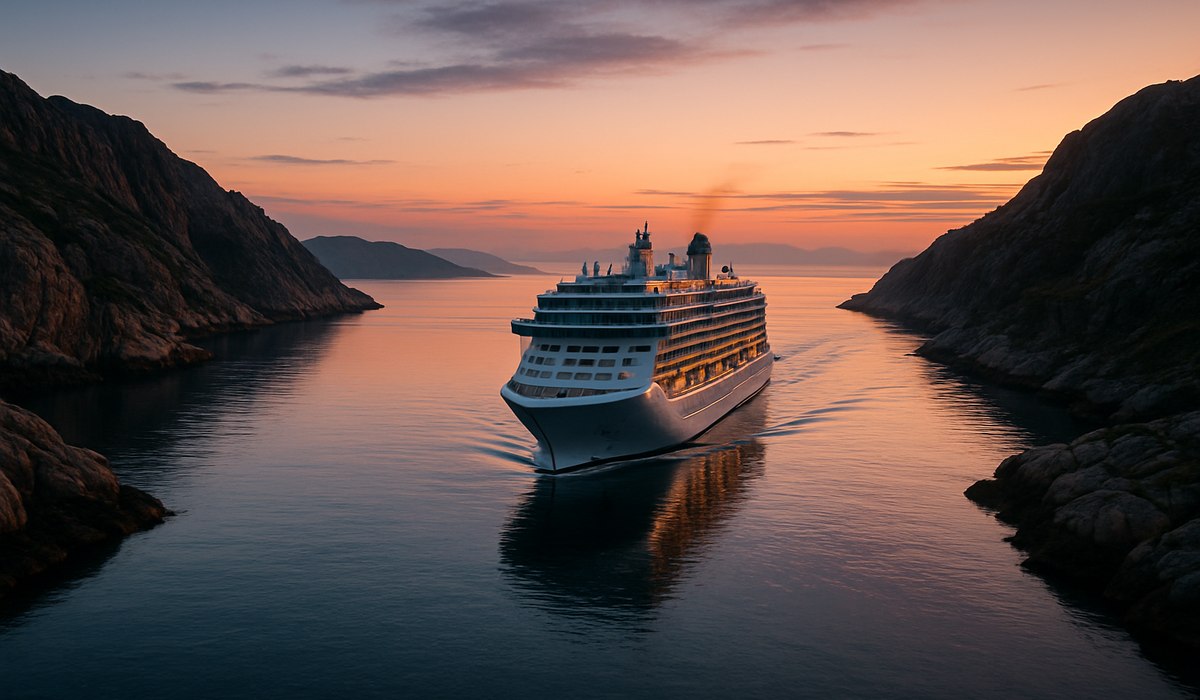
Image generated by AI
All Six Stranded Gulf Cruise Ships Have Now Cleared the Strait of Hormuz
Six cruise ships trapped in Persian Gulf ports since late February have successfully passed through the Strait of Hormuz, ending one of the cruise industry's most significant operational disruptions in modern maritime history. After remaining anchored in Dubai, Doha, and Dammam for nearly seven weeks, the vessels—including MSC Euribia, Celestyal Discovery, Celestyal Journey, Mein Schiff 4, Mein Schiff 5, and Aroya Manara—departed between April 17 and April 20, 2026. The breakthrough represents a rare maritime escape from geopolitical tensions that had effectively closed the world's most critical shipping chokepoint to passenger vessels.
Sudden Shutdown to Rare Maritime Escape
The crisis began on February 28, 2026, when large-scale military strikes on Iran triggered immediate restrictions on maritime transit through the Strait of Hormuz. Combined with United States naval operations in the region, these actions transformed the vital waterway into an impassable barrier for cruise operators. Six major vessels found themselves stranded in Gulf ports, their thousands of passengers urgently repatriated by air while skeleton crews remained aboard during the tense standoff.
For cruise lines, the situation presented unprecedented logistical challenges. Unlike cargo or tanker operators accustomed to regional volatility, passenger cruise vessels operate under strict international maritime safety protocols that made remaining in disputed waters untenable. Cruise operators continuously monitored official shipping advisories and intelligence assessments, waiting for a narrow window of acceptable transit risk. Industry analysts describe the episode as a complex puzzle with few modern precedents, requiring patience and precise coordination among multiple shipping companies.
The breakthrough finally arrived in mid-April when maritime conditions stabilized briefly. Celestyal Discovery became the first stranded cruise ship to successfully navigate the passage on April 17, 2026, departing Dubai and transiting south toward Oman. Over the following days, additional vessels followed in a loose sequence, with each operator confirming safe passage before committing their ships to the corridor. By April 20, Aroya Manara completed the exodus, marking the final successful clearing of all stranded Gulf cruise ships through the Strait of Hormuz.
The Six Vessels and Their Journey
Each of the six stranded cruise ships represents significant capital and operational complexity. MSC Euribia, the flagship of MSC Cruises' new Seaside EVO class, had spent approximately 47 days effectively immobilized in Dubai before clearing Hormuz. This ultra-modern vessel, designed for Mediterranean and Northern European itineraries, was bound for summer season deployments when the crisis struck. Following its escape, MSC Euribia immediately began sailing at maximum speed toward Northern European cruise hubs to salvage early-season departures.
The two Celestyal Cruises vessels, Celestyal Discovery and Celestyal Journey, represented the fleet's most exposed assets. These smaller expedition-style ships were specifically positioned for Eastern Mediterranean and Greek Island itineraries. Celestyal Discovery's April 17 passage through Hormuz marked a crucial moment, providing confidence to other operators that the route had briefly reopened. Sister ship Celestyal Journey followed within days, both vessels now repositioning toward their traditional Mediterranean homeports.
TUI Cruises' Mein Schiff 4 and Mein Schiff 5 faced similar positioning challenges. These modern German-flagged vessels typically operate summer season cruises from Northern European ports including Kiel and Copenhagen. Their extended detention in the Gulf forced cancellation of early-season departures and comprehensive itinerary restructuring. Both ships are now en route to European cruise terminals to resume revised operational schedules.
Aroya Manara, the Saudi Arabian-backed vessel, charts a notably different course. This ship represents a strategic pivot toward Red Sea cruise deployments and regional tourism development. Following its April 20 escape through the Strait of Hormuz, Aroya Manara is routing toward Jeddah to support the kingdom's emerging cruise tourism infrastructure and Red Sea itinerary expansion.
Military Crisis Still Casting a Long Shadow
The successful passage of six stranded Gulf cruise ships does not signal a full regional security resolution. The broader 2026 Strait of Hormuz crisis remains volatile, with military tensions continuing to shape maritime operations throughout the region. Intelligence assessments indicate intermittent cycles of partial reopening followed by renewed restrictions as Iran responds to ongoing aerial campaigns and naval presence.
Recent reports document ongoing security challenges, including incidents involving Iranian forces engaging commercial vessels and temporary reimposition of transit restrictions. The United States naval blockade continues in modified form, creating an environment where shipping operators must constantly reassess risk levels and safe-passage windows. Despite the successful exodus of cruise ships, cargo tankers and commercial vessels remain subject to heightened scrutiny and extended transit delays.
Cruise operators' successful timing in mid-April suggests sophisticated intelligence sharing and risk assessment protocols. Each line clearly coordinated with maritime authorities and security agencies to identify the narrow window when transit risk dropped to acceptable levels. This coordination, while effective for passenger vessels with high safety standards, remains unavailable to many commercial cargo operators facing more extended disruptions.
For the broader travel industry, the episode underscores how rapidly geopolitical tensions can reshape cruise itineraries and passenger safety protocols. Regions marketed as stable year-round winter-sun destinations can suddenly become inaccessible, affecting thousands of travelers and disrupting carefully planned cruise season deployments.
Industry Implications and Recovery Outlook
The seven-week stranded Gulf cruise crisis will reshape how cruise lines assess regional risk and maintain deployment flexibility. Industry insiders anticipate enhanced protocols for rapid passenger repatriation, crew rotation alternatives, and itinerary diversification away from geopolitically sensitive chokepoints. Several major cruise operators have already signaled plans to redeploy vessels toward less volatile regions for 2027 and 2028 seasons.
The incident has accelerated existing trends toward Mediterranean-based cruise deployments and enhanced Red Sea route development. Cruise lines are simultaneously exploring alternative routing options that avoid the Strait of Hormuz entirely, particularly for vessels serving European and Mediterranean markets. This represents a significant shift in strategic positioning for operators previously committed to Persian Gulf winter-season itineraries.
Financially, the disruption imposed substantial costs on affected cruise lines, including passenger compensation, airfare repatriation expenses, and lost operational revenue during the seven-week standoff. Industry analysts estimate total losses at hundreds of millions of dollars across the six stranded vessels and their parent companies. These costs will likely influence future capital allocation toward greater geographic diversification and reduced exposure to strategically vulnerable maritime corridors.
For travelers, the crisis creates both risks and opportunities. Cruise prices in less volatile regions may increase as operators redirect capacity, while Mediterranean and Northern European itineraries benefit from enhanced vessel availability. Savvy travelers should carefully monitor regional stability before booking Persian Gulf winter cruises, using resources like the Cruise Critic forum to assess real-time passenger experiences and safety protocols.
Cruise Itinerary at a Glance
| Vessel Name | Cruise Line | Previous Location | Departure Date | Current Routing | Expected Homeport |
|---|---|---|---|---|---|
| MSC Euribia | MSC Cruises | Dubai, UAE | April 18, 2026 | Northern Europe | Kiel/Hamburg |
| Celestyal Discovery | Celestyal Cruises | Dubai, UAE | April 17, 2026 | Eastern Mediterranean | Piraeus, Greece |
| Celestyal Journey | Celestyal Cruises | Dubai, UAE | April 19, 2026 | Eastern Mediterranean | Piraeus, Greece |
| Mein Schiff 4 | TUI Cruises | Dammam, Saudi Arabia | April 19, |
Disclaimer
This article is for informational and educational purposes only. It does not constitute legal, financial, or professional advice. While we strive to provide accurate and up-to-date information, travel policies, regulations, and conditions change rapidly. Always verify information with official sources before making travel decisions. Nomad Lawyer makes no representations about the accuracy, reliability, completeness, or suitability of the information provided. Readers should consult qualified professionals for advice specific to their circumstances. The views expressed in this article are those of the author and do not necessarily reflect the views of Nomad Lawyer.
Preeti Gunjan
Contributor & Community Manager
A passionate traveller and community builder. Preeti helps grow the Nomad Lawyer community, fostering engagement and bringing the reader experience to life.
Learn more about our team →