
Stranded Dawn Ghana: Weak Passenger Rights Expose African Aviation Gaps
Hundreds stranded at Accra International Airport in early 2026 reveal critical enforcement gaps in Ghana's passenger protection framework amid record growth and ECOWAS regional reforms.

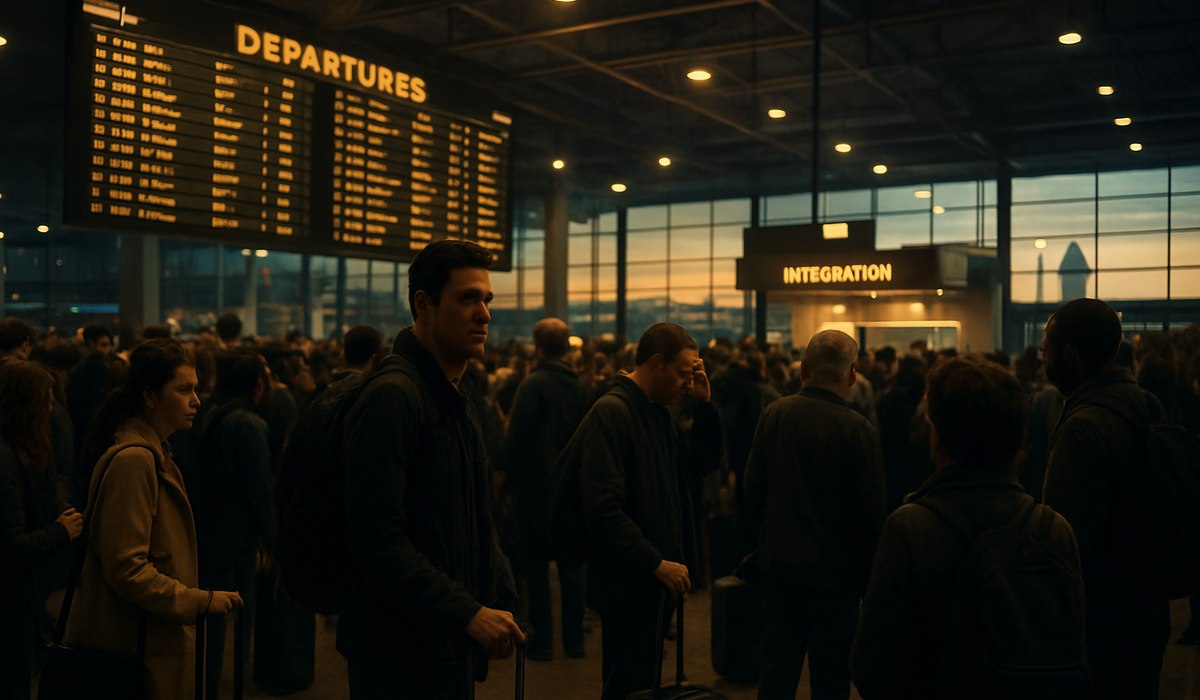
Image generated by AI
Hundreds Stranded at Accra International Airport Expose Ghana's Fragile Passenger Protection System
Hundreds of travelers experienced chaos at dawn on April 9, 2026, when multiple regional flights were delayed and rescheduled at Ghana's busiest airport hub. The incident at Accra International Airport has reignited scrutiny over enforcement gaps in passenger protections at a time when West African aviation is supposed to be expanding fairer service standards. The airport, which processed a record 3.62 million passengers in 2025, continues rebuilding traffic after pandemic disruptions. Yet stranded passengers reported unclear information, limited meal assistance, and confused rebooking procedures—revealing a significant disconnect between written consumer protections and their practical application on the tarmac.
Early-Morning Chaos Reveals Enforcement Gaps
Dawn departures at Accra International Airport create perfect conditions for cascading disruptions. Multiple regional flights scheduled within tight windows mean that single delays ripple across dozens of connections. Reports from affected travelers painted a stark picture: long queues, conflicting announcements, and passengers waiting hours without clear guidance on alternatives or basic support.
What made this incident particularly telling was frontline staff uncertainty. Ground crews appeared unfamiliar with passenger entitlements, leaving travelers to seek informal advice rather than transparent procedures. This suggests that even where Ghana's regulatory framework addresses passenger rights on paper, ground-level implementation remains inconsistent. The airport's rapid growth—handling record volumes while managing infrastructure expansion—has strained communication systems and staffing resources. When operational pressure peaks, enforcement of existing protections collapses. This pattern mirrors challenges at other high-growth African hubs where regulatory frameworks haven't kept pace with passenger volume increases. For digital nomads and frequent regional travelers, the stranded dawn Ghana incident underscores the importance of understanding local protections before booking through lesser-known carriers.
Ghana's Passenger Rights Framework: Theory vs. Practice
On paper, Ghana maintains broad consumer protections. Economic directives reference passenger rights during delays and cancellations. The Ghana Civil Aviation Authority acknowledges these obligations. Yet the April 2026 disruption exposed a critical gap: written protections don't automatically translate into frontline knowledge or consistent application.
Draft Passenger Rights and Consumer Protection Directives currently under development signal regulatory intent to clarify airline obligations around meal service, rebooking, and refunds. However, draft status means these measures lack enforcement teeth. Industry observers across West Africa consistently benchmark against the European Union's Flight Compensation Regulation, which specifies precise compensation thresholds tied to flight length and delay duration. Ghana's framework remains a patchwork of older national legislation, economic directives, and evolving guidance—making it virtually impossible for passengers to know exact entitlements pre-disruption.
This uncertainty creates information asymmetry favoring airlines. Passengers lack confidence in demanding assistance, while staff avoid commitments without clear policy backing. The result: those with legal knowledge and persistence receive better treatment than casual travelers. For the digital nomad community relying on regional routes, this ambiguity represents genuine financial and logistical risk. Understanding that protections exist but aren't consistently enforced should factor into route planning and insurance decisions.
Draft Directives Signal Regulatory Evolution
Ghana's Civil Aviation Authority has publicly acknowledged limitations in current frameworks and is actively drafting modernized passenger protection standards. These proposed measures aim to establish transparent thresholds for when airlines must provide care, specify rebooking obligations, and define complaint-handling procedures.
The timing coincides with broader Economic Community of West African States initiatives to standardize regional air travel economics. ECOWAS endorsed reforms eliminating certain air transport taxes and reducing passenger charges by 25 percent starting January 2026. Regional agreements also increased minimum compensation levels for flight cancellations and severe delays, attempting to align member states toward consistent passenger treatment standards.
However, member states report uneven implementation. Airlines have requested clearer guidance on how fee reductions interact with compensation obligations, creating uncertainty in pricing and scheduling decisions. This regulatory lag between policy announcement and enforcement creates a vulnerable period for travelers. Ghana's draft directives represent positive evolution toward clearer passenger protections, but travelers booking through April 2026 cannot rely on these frameworks as enforceable. Current experiences suggest waiting for finalized directives before expecting reliable enforcement is prudent planning.
What Infrastructure Strain Reveals About Enforcement Capacity
Stranded dawn Ghana incidents don't occur in isolation. They reflect systemic capacity constraints that undermine enforcement of existing protections. Accra International Airport manages critical ground operations—vehicle availability, staffing levels, and communication infrastructure—that directly affect passenger experience during disruptions.
Previous investigations documented resource shortages including insufficient ground vehicles and staffing pressures that increase risk of minor operational issues escalating into major passenger disruptions. When an airport operates near capacity ceiling with thin margins for operational flexibility, any disruption compounds quickly. This infrastructure reality matters for passengers seeking compensation or assistance: overwhelmed operations teams prioritize getting flights moving again over documenting passenger claims or arranging meal vouchers.
For travelers familiar with major North American or European hubs, the service gaps at Accra may prove shocking. For those regularly using African aviation, they represent unfortunate but predictable operating realities. Understanding these constraints helps travelers make informed decisions about risk tolerance and backup plans. Building flexibility into tight connections through West African hubs becomes essential risk management rather than optional.
Ghana Airport Operations and Passenger Protection Status
| Metric | 2025 Figure | 2026 Status | Impact on Stranded Passengers |
|---|---|---|---|
| Annual Passengers (Accra) | 3.62 million | Record growth continuing | Increased disruption frequency |
| Passenger Rights Framework | Existing directives + older legislation | Draft modernization underway | Current protections unevenly enforced |
| ECOWAS Compensation Minimums | Enhanced January 2026 | Regional agreement active | Local implementation varies by state |
| Air Transport Tax Changes | 25% reduction Jan 2026 | Cost savings uncertain | Unclear interaction with compensation rules |
| Ground Vehicle Availability | Documented shortages pre-2026 | No reported improvements | Cascading delays more likely |
| Staff Familiarity with Passenger Rights | Low to moderate (per stranded passengers) | Training initiatives unknown | Frontline assistance inconsistent |
What This Means for Travelers
One: Understand that written protections ≠ enforceable protections in West African aviation hubs. Ghana has passenger rights frameworks on paper, but April 2026's incident proves ground-level enforcement remains inconsistent. Before booking regional routes, research specific airline policies rather than relying on general regulatory frameworks.
Two: Document everything during disruptions. Request written confirmation of delays, rebooking offers, and assistance provided. Take photos of posted information and collect contact information from staff. This documentation becomes critical if pursuing compensation claims after normalcy resumes.
Three: Build buffer time into tight regional connections. The stranded dawn Ghana pattern shows peak departure windows create compounding risk. Adding 2-3 hours between connection flights through Accra reduces cascade disruption likelihood and provides recovery time if first leg delays.
Four: Purchase travel insurance covering flight disruption delays. Many standard policies don't adequately cover meal costs, accommodation, or re-routing expenses during regional flight disruptions. Standalone disruption coverage becomes economical for frequent West African travelers, offering protection when airline obligations remain unclear.
Five: Contact your airline's customer relations department before traveling. Request written clarification of their disruption policies, meal assistance protocols, and rebooking procedures. Having airline-specific policies in writing gives you negotiating leverage during actual disruptions when staff claim uncertainty.
Frequently Asked Questions
Q: Does Ghana's current passenger rights framework provide compensation for flight delays?
Ghana maintains directives addressing delay compensation, but enforcement remains inconsistent. The April 2026 disruption revealed that frontline staff often cannot clearly articulate compensation thresholds. ECOWAS regional agreements theoretically establish minimum standards, but
Disclaimer
This article is for informational and educational purposes only. It does not constitute legal, financial, or professional advice. While we strive to provide accurate and up-to-date information, travel policies, regulations, and conditions change rapidly. Always verify information with official sources before making travel decisions. Nomad Lawyer makes no representations about the accuracy, reliability, completeness, or suitability of the information provided. Readers should consult qualified professionals for advice specific to their circumstances. The views expressed in this article are those of the author and do not necessarily reflect the views of Nomad Lawyer.
Raushan Kumar
Founder & Lead Developer
Full-stack developer with 11+ years of experience and a passionate traveller. Raushan built Nomad Lawyer from the ground up with a vision to create the best travel and law experience on the web.
Learn more about our team →