
Strait of Hormuz Travel Alert 2026: US Pauses Project Freedom Amid Continued Oil Blockade
The US has suspended its 'Project Freedom' military operation in the Strait of Hormuz, bringing diplomatic relief to Iran and the Gulf states, though a continued blockade keeps 60% of global oil flows paralyzed.

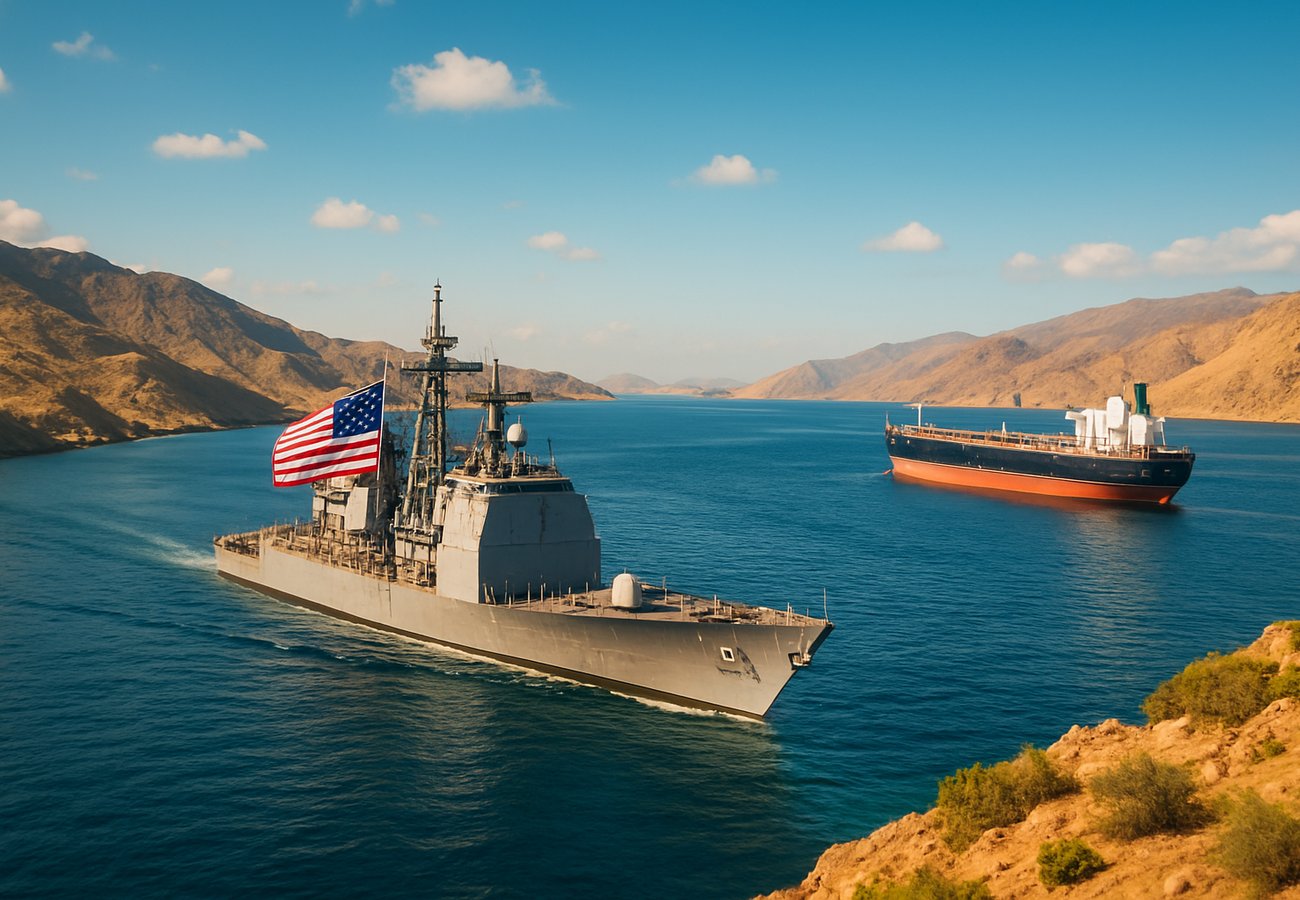
Image generated by AI
Quick Summary
- Military Suspension: The United States has officially paused Project Freedom, a naval operation aimed at securing the Strait of Hormuz, citing "diplomatic progress."
- Persistent Blockade: Despite the military pause, a full blockade of Iranian ports remains in effect, disrupting approximately 60% of the global oil supply.
- Diplomatic Relief: Iran, Oman, Saudi Arabia, Qatar, South Korea, and China have expressed a "collective sigh of relief" as immediate military confrontation risks recede.
- Economic Strain: Maritime analysts warn that rerouting vessels and fluctuating energy prices (LPG, LNG, and Crude) are keeping global trade on edge.
The Strait of Hormuz remains the world’s most volatile maritime chokepoint in May 2026, even as immediate fears of a full-scale military conflict begin to subside. Following an unexpected announcement from Washington, the controversial Project Freedom—a US-led initiative to protect merchant vessels—has been suspended to facilitate backchannel peace talks. This move has been met with "breathtaking relief" in capitals from Tehran to Seoul, signaling a fragile shift toward diplomacy. However, the underlying economic crisis is far from over. The US-led blockade on Iranian maritime activities continues to paralyze the flow of crude oil, LNG, and LPG, forcing shipping companies to maintain expensive rerouting schedules around the Cape of Good Hope. As mediator states like Oman and Qatar work to turn this tactical pause into a lasting resolution, the global travel and energy sectors remain paralyzed by the uncertainty of the world’s most critical transit corridor.
Strait of Hormuz Diplomatic Pause May 2026: National Responses and Economic Impacts
The following table summarizes the responses of key global players and the ongoing economic pressures.
| Nation | Diplomatic Response | Primary Strategic Interest | Economic Impact |
|---|---|---|---|
| Iran | "Step toward mutual understanding" | Sovereignty & Sanction Relief | Blockade of all major ports |
| Oman | Personal success for the Sultan | Mediation & Regional Stability | Transit risk for Omani waters |
| Saudi Arabia | Cautious Optimism | Regional Security & Oil Dominance | Market volatility & shipping risk |
| Qatar | Opportunity for Dialogue | Gulf Peace Advocacy | Disruption to LNG export routes |
| South Korea | "Quiet sigh of relief" | Energy Security | High fuel costs for industry |
| China | Measured Enthusiasm | Uninterrupted Energy Supply | Suspicion of US regional presence |
| UAE | Mixed; Balancing Act | Port Connectivity | Anxiety over port/export delays |
Project Freedom Suspended: A Tactical Pause in the US-Iran Standoff
The US decision to halt active naval operations marks a significant turning point:
- Diplomatic Rationale: The White House cited "significant backchannel progress" and the need for a de-escalation window to avoid a regional war.
- Tactical Shift: While the offensive "Project Freedom" is on hold, US naval assets remain in the region, shifting from active protection to a "monitoring and deterrent" posture.
- Unresolved Blockade: Crucially, the naval blockade of Iranian infrastructure remains in place, ensuring that Iran’s primary economic levers remain frozen during negotiations.
Global Relief: How the Middle East and East Asia Are Navigating the De-escalation
Capitals across the globe have reacted with a mix of optimism and pragmatism:
- Tehran’s Victory: Iranian Foreign Minister Mohammad Javad Zarif has cautiously welcomed the pullback as a "victory for diplomacy," though he emphasized that a permanent peace requires the total cessation of military pressure.
- Oman’s Success: Sultan Haitham bin Tariq Al Said is being credited for facilitating the breakthrough, solidifying Oman’s role as the indispensable bridge between the US and Iran.
- South Korea and Japan: These energy-dependent nations have avoided being drawn into a direct military alliance, allowing them to focus on domestic energy security and regional trade stability.
The Economic Reality: Blockade Continues to Paralyze Global Energy Flow
Despite the military pause, the world’s energy heart remains obstructed:
- Oil Market Fluctuations: With 60% of global oil flows affected, prices continue to fluctuate wildly, creating "energy anxiety" for airlines and industrial manufacturers.
- LNG and LPG Disruption: Qatar’s LNG exports and the region's LPG flows are facing severe logistical bottlenecks, leading to price spikes in Europe and East Asia.
- Logistics Paralysis: The Strait remains "heavily fortified," with merchant vessels still required to follow strict security protocols, adding days to transit times.
National Stances: From Omani Mediation to Chinese Strategic Opportunity
The geopolitical chessboard is seeing new moves following the US announcement:
- China’s Opportunity: Beijing views the US pullback as an opening to increase its own diplomatic and economic engagement with Iran, potentially securing long-term oil supply deals.
- Saudi Wariness: Riyadh remains deeply cautious, fearing that any de-escalation might allow Tehran to regroup or expand its regional influence without addressing underlying security concerns.
- Qatar’s Mediation: Doha has positioned itself as an interlocutor, pushing for a "Unified Gulf Peace Agreement" that addresses both maritime security and energy stability.
Shipping and Logistics: Rerouting and the Rising Cost of Transit
The "new normal" for global shipping is defined by high costs and long routes:
- Rerouting Costs: Major shipping lines are still opting for the Cape of Good Hope for high-value cargo, adding significant fuel surcharges to global commerce.
- Insurance Spikes: Even with the military pause, insurance premiums for vessels entering the Persian Gulf remain at historic highs due to the "active blockade" status.
- Transit Delays: Essential goods, including medical supplies and food imports for the Gulf states, are facing delays of 7 to 14 days.
FAQ: Strait of Hormuz Alert 2026
What is "Project Freedom" and why was it suspended? Project Freedom was a US-led military operation to protect shipping in the Strait of Hormuz. It was suspended in May 2026 to facilitate diplomatic de-escalation between the US and Iran.
Is the Strait of Hormuz open for travel and trade? While the military operation has paused, a naval blockade of Iranian ports remains in place. Merchant shipping is permitted but faces high insurance costs, rerouting, and security vetting.
How does this affect global oil and LNG prices? The ongoing blockade of the Strait continues to paralyze 60% of the global supply, keeping prices high and causing significant volatility in global energy markets.
Related Travel Guides
Disclaimer
This article is for informational and educational purposes only. It does not constitute legal, financial, or professional advice. While we strive to provide accurate and up-to-date information, travel policies, regulations, and conditions change rapidly. Always verify information with official sources before making travel decisions. Nomad Lawyer makes no representations about the accuracy, reliability, completeness, or suitability of the information provided. Readers should consult qualified professionals for advice specific to their circumstances. The views expressed in this article are those of the author and do not necessarily reflect the views of Nomad Lawyer.
Kunal K Choudhary
Co-Founder & Contributor
A passionate traveller and tech enthusiast. Kunal contributes to the vision and growth of Nomad Lawyer, bringing fresh perspectives and driving the community forward.
Learn more about our team →