
Strait of Hormuz Blockade Triggers Global Oil Shock as Saudi Arabia, UAE and Qatar Energy Crisis Destabilizes Japan Aviation; ANA, JAL and Jetstar Cancel 34 Flights at Haneda, Narita and Fukuoka Amid US-Iran Conflict in May 2026
A strategic blockade of the Strait of Hormuz has ignited a global energy crisis, sending oil prices to record highs. As Saudi Arabia, the UAE, and Qatar face export disruptions, 34 flights have been cancelled across Japan's major hubs including Haneda and Narita during the 2026 oil shock.

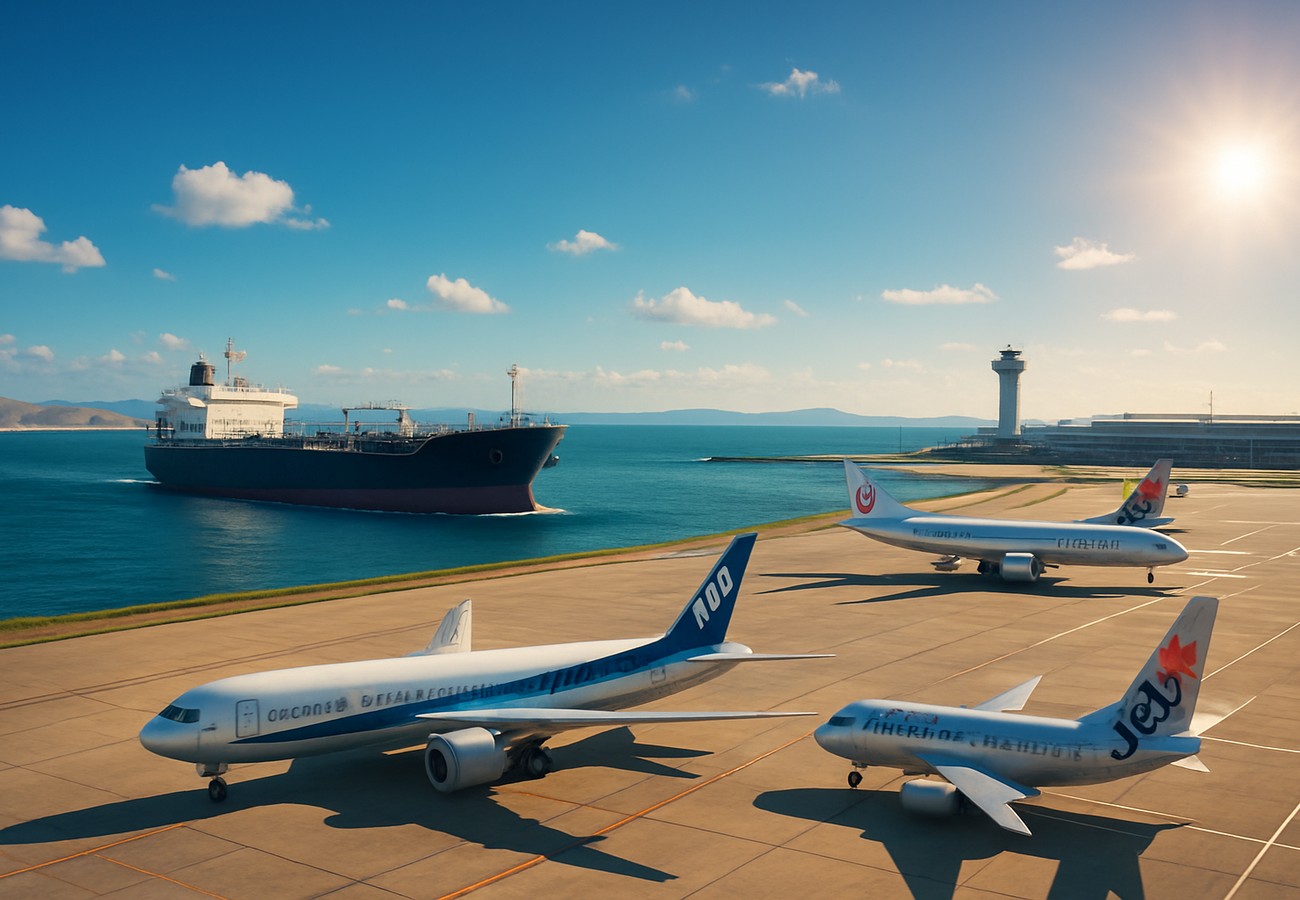
Image generated by AI
A global energy crisis of historic magnitude has erupted following the strategic blockade of the Strait of Hormuz, triggering an immediate oil price shock that has paralyzed Japan’s most critical aviation arteries. As the United States, Iran, and Gulf Cooperation Council (GCC) nations including Saudi Arabia, the UAE, and Qatar move to the brink of military conflict, Japan’s aviation sector has entered a state of high-alert. Today, May 10, 2026, a total of 34 flights have been cancelled across seven major Japanese hubs, including Tokyo Haneda (HND), Narita International (NRT), Kansai (KIX), and Fukuoka (FUK). The collapse in global maritime security and skyrocketing jet fuel prices have forced carriers like ANA, Japan Airlines (JAL), and Jetstar Japan to ground aircraft as operational costs reach unsustainable levels.
For Japan, which relies on the Middle East for over 90% of its crude oil imports, the "ripple effect" of the Persian Gulf energy shock is existential. The current travel chaos is a direct consequence of a systemic fuel deficit, forcing a contraction of both high-yield international corridors and essential regional connectivity.
Expanded Overview: The Fuel Shock and the Pacific Hub Instability
The blockade of the Strait of Hormuz — a narrow chokepoint through which 21 million barrels of oil per day (approximately 21% of global petroleum consumption) pass — represents a total collapse of international energy security. For major petroleum exporters like Kuwait, Iraq, and Bahrain, and the world’s leading LNG supplier, Qatar, the inability to access the sea has rendered their primary economic assets unreachable.
As the International Energy Agency (IEA) activates emergency protocols, the Japanese aviation industry is bearing the brunt of the volatility. The US-Iran conflict has not only driven jet fuel prices to record highs but has also disrupted the global supply chain for Pacific-based carriers. In hubs like Fukuoka and Haneda, airlines are being forced to prioritize "strategic fuel allocation," leading to the immediate suspension of 34 flights spanning from domestic regional routes to long-haul trans-Pacific services to the United States.
Section-Wise Breakdown: Hub-Specific Disruption Analysis
Tokyo Haneda (HND): The International Hub Under Strain
Haneda faced both domestic and high-profile international cancellations today. A significant disruption was the suspension of American Airlines AAL176 to Dallas–Fort Worth and Delta DAL9965 to Guangzhou. JAL and ANA also grounded multiple services to Osaka Itami and Fukuoka as the hub manages a tightening fuel reserve during the peak of the 2026 oil shock.
Fukuoka Airport (FUK): The Epicenter of Domestic Chaos
Fukuoka saw the highest concentration of disruptions, with a massive number of regional routes to Miyazaki, Yakushima, and Tsushima being severed. This regional paralysis highlights the vulnerability of Kyushu’s connectivity when major hubs like Haneda and Narita are forced to consolidate operations to save on record-high jet fuel costs.
Narita & Kansai: International Corridor Volatility
Narita International and Kansai International recorded moderate but operationally significant cancellations on routes to Taiwan Taoyuan and Manila. Carriers like Cathy Pacific (CPA451) and Philippine Airlines (PAL407) were among those caught in the "war-premium" insurance spikes and fuel shortages currently affecting all trans-Asian flight paths.
Naha & New Chitose: The Perimeter Weakness
Okinawa’s Naha Airport (OKA) and Hokkaido’s New Chitose (CTS) experienced repeated cancellations affecting inter-island travel and northern regional access. These suspensions indicate that as the global energy crisis intensifies, the perimeter of Japan’s aviation network is being sacrificed to maintain the core "Golden Route" between Tokyo and Osaka.
Flight Cancellation Records: Japan Hubs (May 10, 2026)
| Airport | Flight | Aircraft | Destination | Departure |
|---|---|---|---|---|
| Narita | CPA451 | B773 | Taiwan Taoyuan | Sun 03:45 PM |
| Kansai | PAL407 | A321 | Manila | Sun 10:25 AM |
| Haneda | AAL176 | B772 | Dallas–Fort Worth | Sun 04:30 PM |
| Haneda | DAL9965 | A333 | Guangzhou | Mon 09:55 PM |
| Fukuoka | JAL306 | A359 | Haneda | Mon 09:15 AM |
| Fukuoka | ANA258 | B722 | Haneda | Fri 03:20 PM |
| Naha | AKX1134 | B738 | Haneda | Fri 09:05 PM |
| New Chitose | JJP126 | A21N | Narita | Sat 11:25 AM |
| Kansai | JJP234 | A21N | Narita | Sat 07:50 PM |
| Fukuoka | ORC4681 | DH8B | Tsushima | Sun 09:55 AM |
Note: A total of 34 cancellations were recorded across Narita, Kansai, Fukuoka, Haneda, Naha, New Chitose, and Centrair. Data is based on real-time FlightAware monitoring.
Passenger Impact: Stranded in a Post-Fuel World
For passengers, the 34 cancellations represent a total collapse of reliability. With regional cities like Miyazaki and Yakushima losing their primary air links, business and leisure travel has come to a standstill. The US-Iran conflict means that rebooking is becoming increasingly difficult as airlines prioritize high-yield international passengers over regional domestic segments. Travelers caught in the Haneda-Dallas cancellation are facing multi-day delays as the entire trans-Pacific network operates at reduced capacity.
Industry Analysis: The End of Japan’s "Anytime" Connectivity?
Aviation analysts suggest that the Strait of Hormuz blockade is a "wake-up call" for Japan’s fuel-dependent aviation model. "The global oil shock has proved that Japan is too exposed to Persian Gulf volatility," says one senior energy strategist. "When the Strait is blocked, Japan's domestic network effectively begins to cannibalize itself to keep its international lifelines open. 34 cancellations in a day is just the beginning of a structural contraction that could last throughout the summer of 2026."
According to the IEA, Japan is the most at-risk advanced economy during the current energy security threat due to its extreme lack of domestic energy resources and strategic petroleum reserves.
Conclusion: A Nation’s Wings Clipped by Geopolitics
The widespread flight cancellations across Japan are a devastating reminder that domestic connectivity is a luxury dependent on global maritime security. As Saudi Arabia, the UAE, and the United States monitor the military developments in the Persian Gulf, Japan’s aviation sector remains in a state of high-alert. For travelers, the message is clear: the freedom to fly across the Japanese archipelago is currently held hostage by the security of a 21-mile-wide strait in the Middle East.
Key Takeaways
- Strait of Hormuz blockade continues to drive a global energy crisis, grounding 34 flights across Japan’s major hubs.
- Fukuoka Airport: Recorded the highest concentration of domestic regional cancellations.
- US-Iran Conflict: Geopolitical instability is forcing Japanese carriers to implement strategic fuel allocations.
- International Corridor Strain: Routes to Dallas, Guangzhou, Manila, and Taiwan have been severed.
- Regional Isolation: Smaller airports like Tsushima, Fukue, and Yakushima are losing essential air connectivity.
- Fuel Shock: Skyrocketing jet fuel prices are making "non-core" domestic routes economically unviable.
- Travelers are advised to confirm flight status 12 hours prior to departure and avoid all non-essential regional travel.
Related Travel Guides
Strait of Hormuz Blockade Triggers Global Oil Shock: 119 Flights Delayed at LAX Airport
European Aviation Chaos: 2,233 Flights Delayed as Global Energy Crisis Hits Heathrow and Frankfurt
Japan Transit Survival Guide: Navigating Hub Disruptions During the 2026 Energy Crisis
Disclaimer: Flight cancellation data is based on real-time reports as of May 10, 2026. Geopolitical events and their impact on global energy markets are subject to rapid change. Travelers are advised to verify all flight details directly with ANA, JAL, or their respective carriers and monitor official government travel advisories.
Kunal K Choudhary
Co-Founder & Contributor
A passionate traveller and tech enthusiast. Kunal contributes to the vision and growth of Nomad Lawyer, bringing fresh perspectives and driving the community forward.
Learn more about our team →