
Strait of Hormuz Blockade Triggers Global Oil Shock as Saudi Arabia, UAE and Qatar Energy Crisis Destabilizes Africa Aviation; Global Jet Fuel Crisis 2026 Threatens Nigerian and Kenyan Skies Amid US-Iran Conflict in May 2026
A strategic blockade of the Strait of Hormuz has ignited a global energy crisis, sending oil prices to record highs. As Saudi Arabia, the UAE, and Qatar face export disruptions, the 2026 jet fuel crisis is crippling African aviation and global trade corridors during the 2026 oil shock.

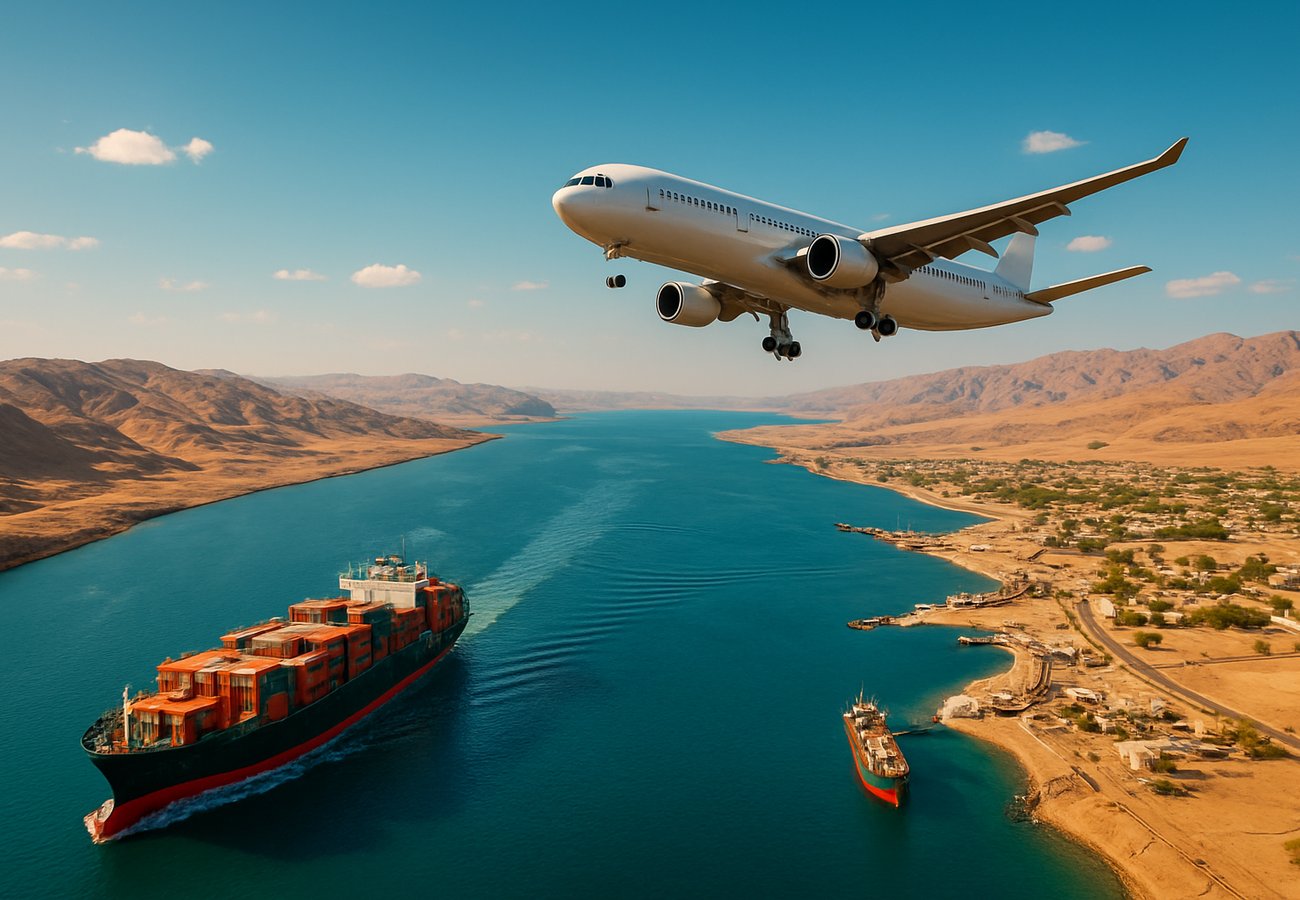
Image generated by AI
A global energy crisis of historic magnitude has erupted following the strategic blockade of the Strait of Hormuz, triggering an immediate oil price shock that is threatening to permanently disconnect the African continent from the global economy. As the United States, Iran, and Gulf Cooperation Council (GCC) nations including Saudi Arabia, the UAE, and Qatar move to the brink of military conflict, the primary source of the world’s jet fuel (Jet A1) has been effectively severed. Today, May 10, 2026, the aviation industry is facing a systemic collapse as refining bottlenecks and logistics failures converge. From the high-traffic hubs of Lagos and Nairobi to the international gateways of London Heathrow and Johannesburg, the shortage is grounding entire fleets, sending ticket prices soaring by 40%, and plunging the continent’s fragile economies into a state of travel chaos.
The blockade of the world’s most critical energy chokepoint has sent crude prices toward $200/bbl, but the real "operational killer" is the lack of refined Jet A1. For African nations that export crude but rely on the Persian Gulf for refined fuel, the 2026 oil shock is not just an economic headwind; it is an existential threat to the continent’s "sky-highways."
Expanded Overview: The Fuel Shock and the African Connectivity Crisis
The blockade of the Strait of Hormuz — a narrow chokepoint through which 21 million barrels of oil per day (approximately 21% of global petroleum consumption) pass — represents a total collapse of international energy security. While the world focuses on crude, the aviation sector is dying for the refined distillate. As the International Energy Agency (IEA) activates emergency protocols, the jet fuel crisis has reached a tipping point.
Major international carriers have been forced to implement "emergency fuel surcharges" that have rendered international travel prohibitively expensive for all but the ultra-wealthy. This aviation update is particularly devastating for Africa, where road and rail infrastructure are often non-existent, making air travel the only reliable bridge for trade, medicine, and diplomacy. The US-Iran conflict is effectively building a "wall in the sky" around the continent.
Section-Wise Breakdown: Regions at the Epicenter
Nigeria: The Giant Grounded
Nigeria serves as a sobering case study for the global energy crisis. Despite being a major crude producer, the nation’s total reliance on imported refined Jet A1 has left its domestic airlines—including Air Peace and United Nigeria Airlines—vulnerable to the Hormuz blockade. Domestic ticket prices have surged to unprecedented levels, effectively stopping the internal gears of the continent’s largest economy. The movement of professional services and agricultural goods has come to a grinding halt.
Kenya & East Africa: The Logistics Bottleneck
In Nairobi, the regional hub for East Africa, Kenya Airways is facing a "fuel burn" crisis. The Strait of Hormuz blockade has disrupted the maritime supply lines that feed the Port of Mombasa, leaving the aviation sector with only days of reserve capacity. The result is a massive increase in airport disruptions and the suspension of critical regional feeder flights that connect landlocked nations like Rwanda and Uganda to global markets.
The Sahel and Central Africa: The Humanitarian Toll
Beyond commerce, the fuel shortage is slowing down the "humanitarian air bridge." Relief organizations operating across the Sahel have reported that their operational costs have doubled. In a region where air travel is the only way to deliver aid to conflict-torn areas, the 2026 oil shock is directly translating into a loss of life as aid budgets are swallowed by the skyrocketing cost of Jet A1.
Global Aviation Impact Analysis: Fuel & Economic Turbulence (May 2026)
| Impact Area | Disruption Level | Economic Consequence |
|---|---|---|
| Long-Haul Airfare | 40% Increase | Collapse of "bucket list" tourism and international trade |
| Regional Connectivity | 30% Cancellation Rate | Isolation of landlocked African economies |
| Supply Chain | Systemic Failure | Snapping of high-value electronics and medical supply lines |
| Humanitarian Aid | 100% Cost Increase | Doubling of logistics budgets for Sahel relief operations |
| Business Travel | "Virtual-First" Shift | Permanent dampening of demand for executive travel |
Passenger & Trade Impact: The Isolation of a Continent
For the average traveler and small business owner, the jet fuel crisis is a barrier to survival. A textile exporter in Rwanda can no longer afford to fly to international trade fairs, and families separated by thousands of miles are finding reunions priced out of reach. The US-Iran conflict has created a "localization" of travel that hasn't been seen in decades. We are witnessing the return of extreme regionalism, where the "global village" is shrinking back into isolated enclaves due to the prohibitive cost of movement.
Industry Analysis: The Case for Energy Sovereignty
Aviation analysts suggest that the Strait of Hormuz blockade is a "loud, uncomfortable wake-up call" for the industry. "The global oil shock has proved that the current model of exporting crude and importing refined Jet A1 is a strategic failure for Africa," says one senior energy strategist. "The 2026 crisis is forcing a push for 'Energy Sovereignty'—the ability to refine aviation fuel locally and the rapid adoption of Sustainable Aviation Fuel (SAF). But the transition period is proving to be a painful, expensive lesson in geopolitics."
According to the IEA, the lack of refining capacity in Africa is the single greatest vulnerability in the global aviation sector during the current energy security threat.
Conclusion: Building Resilience or Being Left Behind
The jet fuel crisis of 2026 is more than an industry problem; it is a global economic challenge that is hitting Africa the hardest. As Saudi Arabia, the UAE, and the United States navigate the military developments in the Persian Gulf, the African aviation sector is fighting for its life. The goal for the continent is clear: build refining resilience and energy sovereignty, or be permanently left behind in the "empty skies" of the post-Hormuz world.
Key Takeaways
- Strait of Hormuz blockade continues to drive a global energy crisis, grounding African aviation due to a refined Jet A1 shortage.
- Ticket Prices: Long-haul airfares have surged by 40% as airlines implement massive fuel surcharges.
- Nigeria: The continent's largest economy is seeing a systemic collapse of domestic flight reliability.
- Humanitarian Impact: Relief operation costs in the Sahel have doubled, slowing the delivery of life-saving aid.
- US-Iran Conflict: Geopolitical instability is forcing a "localization" of travel and dampening global commerce.
- Energy Sovereignty: African leaders are calling for localized refining to end the reliance on Persian Gulf fuel.
- SAF Pivot: The 2026 crisis is accelerating the move toward Sustainable Aviation Fuel as a long-term survival strategy.
Related Travel Guides
Strait of Hormuz Blockade Triggers Global Oil Shock: 119 Flights Delayed at LAX Airport
European Aviation Chaos: 2,233 Flights Delayed as Global Energy Crisis Hits Heathrow and Frankfurt
The African Aviation Resilience Guide: Navigating Lagos and Nairobi During the 2026 Energy Shock
Disclaimer: Jet fuel price and availability data are based on industry reports as of May 10, 2026. Geopolitical events and their impact on global energy markets are subject to rapid change. Travelers and businesses are advised to monitor official government energy advisories and airline updates.
Kunal K Choudhary
Co-Founder & Contributor
A passionate traveller and tech enthusiast. Kunal contributes to the vision and growth of Nomad Lawyer, bringing fresh perspectives and driving the community forward.
Learn more about our team →