
United States Storm Prediction Center Warns of Widespread US Plains Midwest Severe Weather Risk with High Tornado and Hail Potential Disrupting Holiday Weekend Travel: New Travel Alert
U.S. federal meteorologists warn of a significant severe weather and tornado outbreak across the Plains and Midwest, disrupting road and air travel.

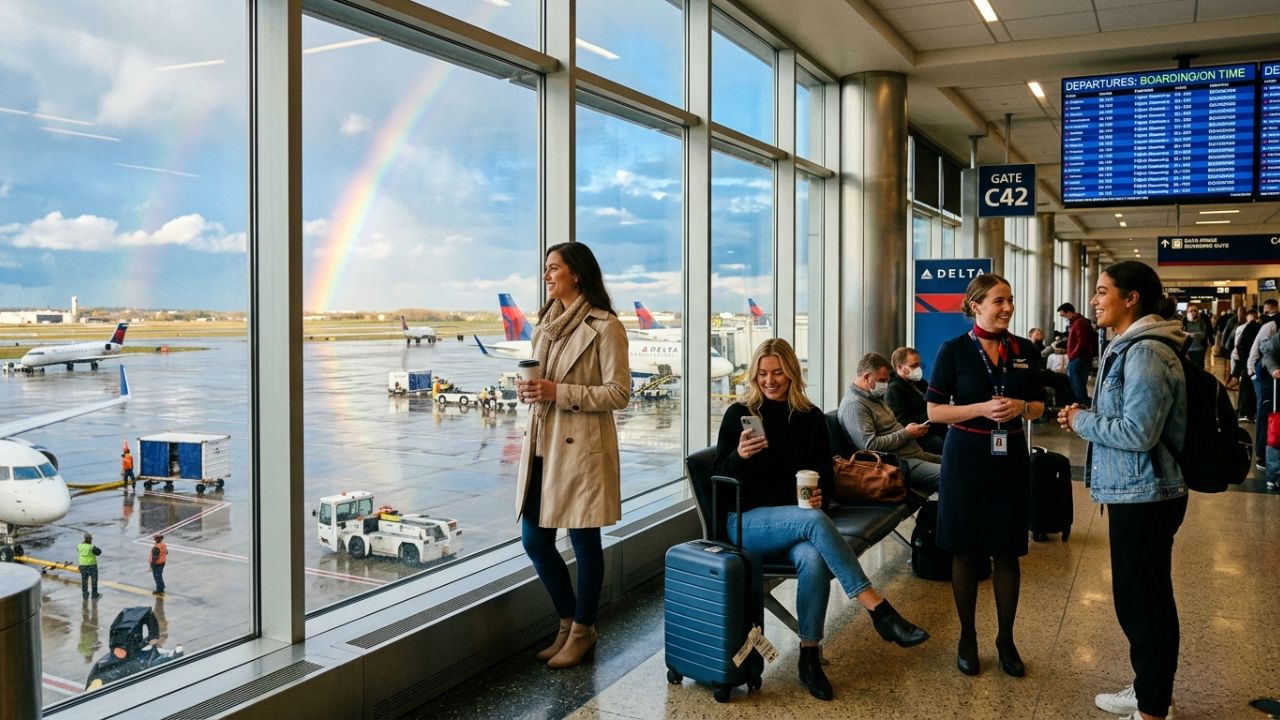
Image generated by AI
In a dramatic meteorological advisory that is set to impact millions of holiday travelers, federal authorities have issued warnings regarding an escalating threat of us plains midwest severe weather over the upcoming weekend and early next week. With meteorological models predicting an outbreak of powerful rotating supercell thunderstorms, significant regional transit corridors and commercial gateways face substantial operational constraints. To protect planned itineraries, passenger vigilance is highly recommended to secure real-time radar updates before embarking on regional highway networks or domestic flights.
[!NOTE] Quick Summary
- Primary Threat: High-intensity supercell thunderstorms capable of producing major tornadoes, large hail, and damaging wind gusts.
- Geographic Reach: The active severe storm corridor spans Kansas, Nebraska, Iowa, Minnesota, and adjacent regions.
- Key Transportation Networks: Potential flight delays at hubs in Kansas City, Omaha, Des Moines, and Minneapolis; hazardous conditions along I-70, I-80, and I-35.
- Tourism Impact: Outdoor recreation, state parks, and adventure excursions face severe weather interruptions.
- Safety Measures: Proactive monitoring, route safety planning, and exploiting flexible flight rebooking policies are strongly advised.
Context Paragraph: The Backdrop of the Widespread Storm Outbreak
The Storm Prediction Center (SPC) has issued an Enhanced Risk of severe thunderstorms across large swaths of the central and eastern United States, putting local tourism and travel sectors on high alert. Atmospheric models indicate that a powerful cold front colliding with moist, warm air moving northward from the Gulf Coast has created a highly unstable environment. This threat is particularly critical as it aligns with peak seasonal travel, forcing aviation authorities, road safety agencies, and local tourism boards to actively implement severe weather emergency protocols.
Event and Incident Details: Supercells and Tornado Risks Across the Plains and Midwest
The severe weather threat is most pronounced on Sunday and into Monday, with enhanced risk patterns projected to continue through the early workweek:
- Supercell Development: Powerful rotating supercell thunderstorms are highly likely to develop along active frontal boundaries and drylines.
- Tornado Probability: An elevated tornado risk exists where high wind shear and extreme atmospheric instability align.
- Primary Impact Zones: Central Kansas into southeastern Nebraska are identified as the highest-risk corridors for tornado development.
- Widespread Reach: The storm system is expected to extend across parts of the central Plains and into the Upper Midwest, including states such as Kansas, Nebraska, Iowa, and Minnesota.
These dynamic atmospheric conditions are capable of producing very large hail and damaging wind gusts, posing a direct threat to any outdoor structures, vehicles, and travelers in the region.
Risk and Impact: Widespread Travel Disruptions and Regional Bottlenecks
The geographical scale of the us plains midwest severe weather system poses significant risks to multi-modal transportation networks and seasonal tourism:
- Aviation Gridlock: Major regional airports—including those in Kansas City, Omaha, Des Moines, and Minneapolis—are bracing for potential flight delays, ground stops, and flight cancellations. These delays will likely trigger a cascading effect across national airline schedules, impacting connections from coast to coast.
- Dangerous Road Conditions: Driving along high-speed corridors is set to become hazardous. Flash flooding, large hail capable of shattering windshields, and high-wind gusts will impact key highway corridors, including Interstate 70 (I-70), Interstate 80 (I-80), and Interstate 35 (I-35).
- Outdoor Excursion Cancellations: Outdoor recreation and seasonal travel—including camping, hiking, and lake activities around state parks and rural landmarks—face immediate disruption. Outdoor tour operators are advising clients to postpone excursions during peak storm windows.
- Multi-Modal Delays: Regional rail networks and bus services are expected to operate on delayed schedules in response to flash flooding or high-wind advisories along active routes.
Summary of Weather Risk and Travel Effects
The following table provides an operational overview of the primary atmospheric risks and their expected impact on travel infrastructure during the storm outbreak:
Severe Weather and Travel Implications Matrix
| Weather Risk Indicator | Forecast Conditions | Travel Implications |
|---|---|---|
| Tornado Probability | Enhanced to Moderate in Plains and Midwest | Potential local closures, immediate evacuation alerts |
| Hail Severity | Large to very large hail possible | High risk of damage to vehicles, outdoor infrastructure |
| Wind Speed | Damaging wind gusts forecast | Extreme road travel hazards, delayed flight operations |
| Geographic Reach | Plains, Upper Midwest, and Midwest | Broad transit delays and tourism shutdowns |
| Duration | Multiple days extending into early workweek | Prolonged threat of travel disruption and backlogs |
What Authorities and Safety Agencies Are Saying: Emergency Protocols
Federal and local safety authorities are urging travelers to prioritize safety and adapt their plans:
- The Storm Prediction Center (SPC): Emphasizes that supercell development along frontal drylines requires immediate shelter readiness and real-time monitoring.
- Travel Safety Agencies: Recommend that drivers avoid high-wind areas and keep emergency kits—including water, blankets, and first-aid supplies—in their vehicles.
- Local Tourism Boards: Are actively integrating real-time weather updates into visitor communications, directing travelers toward indoor cultural sites, museums, and weather-proof alternatives.
- Airlines: Legacy carriers are activating severe weather protocols, allowing passengers to utilize same-day flight change waivers to bypass storm-affected hubs without financial penalties.
Practical Traveler Advice: How to Stay Safe During the Storm Outbreak
If you are planning to travel through the Plains or Midwest during this active weather period, safety experts recommend the following actions:
- Monitor Official Forecasts: Track real-time alerts from the National Weather Service (NWS) and local meteorological centers.
- Avoid Active Warnings: Do not drive through areas under active tornado watches or warnings; pull over safely if conditions deteriorate.
- Prepare Emergency Kits: Ensure your vehicle is equipped with water, blankets, first-aid kits, and mobile charging devices.
- Register for Airport Alerts: Sign up for text and mobile notifications from your operating airline and departure gateways.
- Utilize Flexible Booking Policies: Contact your carrier to explore rebooking options if your flight connects through Kansas City, Minneapolis, or Chicago.
Broader Context: Shift in Climatic Patterns and Travel Insurance Adaptation
The expanding severe storm forecast reflects a broader trend of shifting climatic patterns across the United States. Traditional peak travel seasons are increasingly intersecting with volatile severe storm windows, forcing the travel industry to adapt:
- Itinerary Restructuring: Tour operators are building rest days and indoor backups into multi-city itineraries to mitigate storm risks.
- Weather-Specific Insurance: Travel insurance products are evolving to offer comprehensive coverage for trip cancellations, delayed transit, and emergency accommodations caused by extreme atmospheric events.
- Visitor Confidence: Maintaining safety transparency through cooperative local messaging remains crucial for regional tourism economies during severe weather outbreaks.
What to Expect Next: Multi-Day Atmospheric Instability
Meteorologists expect the active severe weather pattern to remain highly dynamic, with multiple rounds of storms moving across the central states into the early workweek. Emergency response teams and airport dispatchers will maintain elevated safety postures until the cold front completely passes. Travelers should prepare for a prolonged recovery phase, as cascading flight delays and road clearing operations will likely affect schedules for several days following the initial storm impact.
Conclusion: Safety-First Approach to Spring Travel
The widespread us plains midwest severe weather outbreak is a powerful reminder of how quickly seasonal weather patterns can disrupt travel plans. By staying informed, remaining flexible, and prioritizing safety-first decisions, road trippers and airline passengers can safely navigate these atmospheric challenges. Remember to monitor official updates and ensure you have identified safe shelters along your route.
Frequently Asked Questions (FAQs)
Which airports are most likely to experience flight delays during the storm?
Major regional airports in Kansas City, Omaha, Des Moines, and Minneapolis are at the highest risk for flight delays, ground stops, and flight cancellations.
Is it safe to drive high-profile vehicles on I-80 during the storm?
High-profile vehicles face elevated risks due to forecasted damaging wind gusts; drivers are advised to monitor wind warnings and seek alternative routes if necessary.
What should I do if a tornado warning is issued while I am driving?
If a tornado warning is issued, immediately seek shelter in a sturdy building. Avoid staying in your vehicle or seeking shelter under highway overpasses.
Do airlines offer free changes during severe weather outbreaks?
Many major airlines issue travel waivers allowing passengers to change their flight dates or routes without fees when severe weather threatens operations at major hubs.
Related Travel Guides
- Saudi Arabia Issues Urgent Aviation Warning as Saudia and Flyadeal Flight Cancellations Unleash Domestic and Global Travel Chaos: New Travel Alert
- Dominican Republic Issues Urgent Safety Advisory as Punta Cana Resort Fire Triggers Evacuations, Urging Travelers to Contact Operators and Stay Vigilant: New Travel Alert
- Ohio and West Virginia Under Flash Flood Emergency: Travel Alerts for Hocking Hills and Interstate Corridors
Disclaimer
This article is for informational and educational purposes only. It does not constitute legal, financial, or professional advice. While we strive to provide accurate and up-to-date information, travel policies, regulations, and conditions change rapidly. Always verify information with official sources before making travel decisions. Nomad Lawyer makes no representations about the accuracy, reliability, completeness, or suitability of the information provided. Readers should consult qualified professionals for advice specific to their circumstances. The views expressed in this article are those of the author and do not necessarily reflect the views of Nomad Lawyer.
Kunal K Choudhary
Co-Founder & Contributor
A passionate traveller and tech enthusiast. Kunal contributes to the vision and growth of Nomad Lawyer, bringing fresh perspectives and driving the community forward.
Learn more about our team →