
Starlink Revolutionizes In-Flight Wi-Fi: 1 Gbps Speeds Coming to Singapore and United Flights
A groundbreaking partnership with Starlink is set to bring 1 Gbps in-flight Wi-Fi speeds to long-haul flights between Singapore and the United States, forever changing the air travel experience.

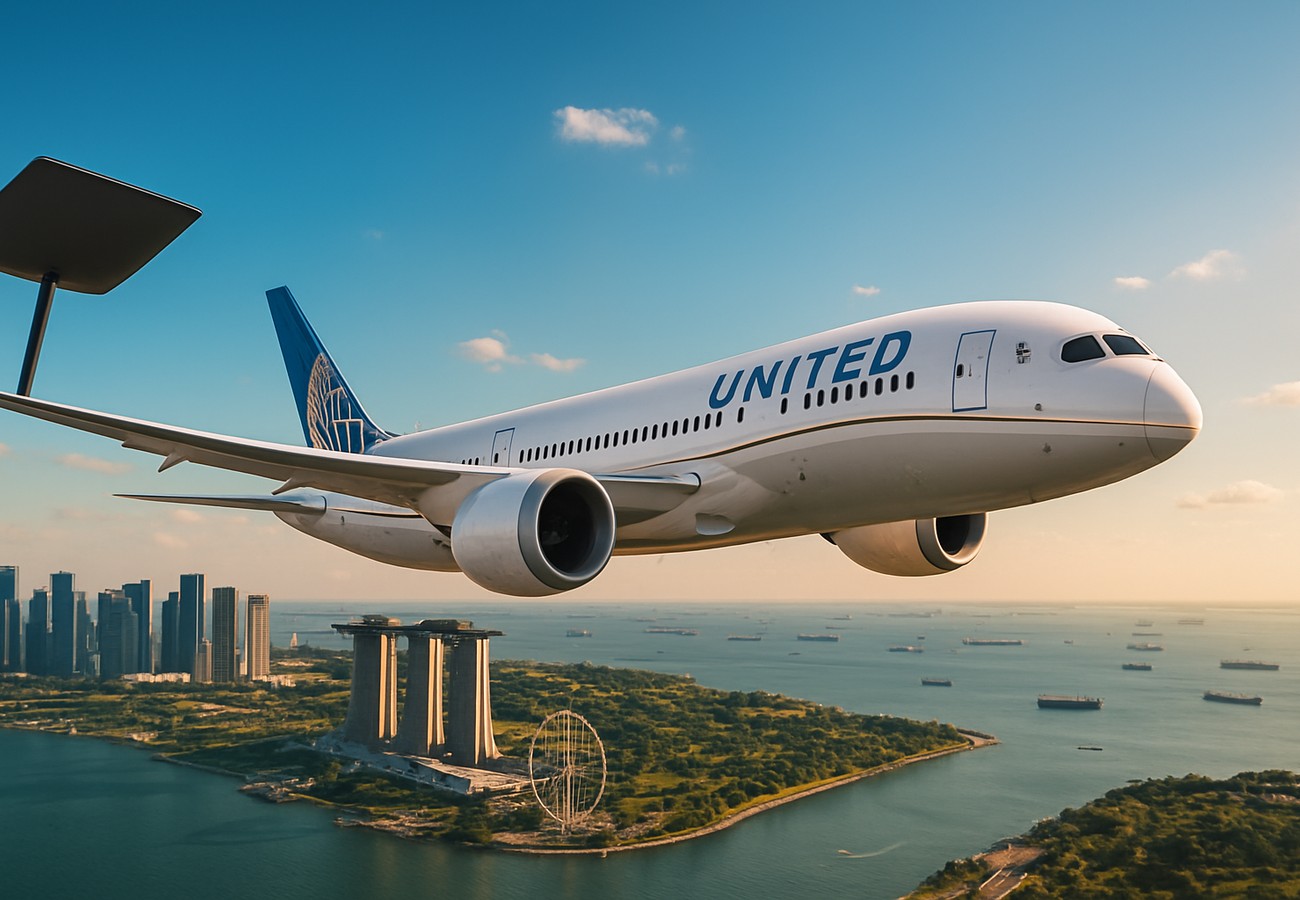
Image generated by AI
The era of slow, unreliable in-flight internet is officially ending. In a landmark collaboration, Starlink (operated by SpaceX) has partnered with leading carriers on the Singapore–United States corridor to provide unprecedented 1 Gbps in-flight Wi-Fi speeds. This leap in technology promises to provide passengers with a "ground-like" internet experience even at 35,000 feet.
The Technology: How Starlink Changes the Game
Unlike traditional in-flight Wi-Fi which relies on ground stations or high-latency geostationary satellites, Starlink utilizes a massive constellation of Low Earth Orbit (LEO) satellites.
The Starlink Advantage:
- Low Latency: Because LEO satellites are closer to Earth, the delay (ping) is significantly reduced, making video calls and online gaming possible.
- Global Coverage: Starlink can provide consistent coverage over oceans and remote areas where traditional systems fail.
- Massive Bandwidth: The system is designed to handle hundreds of connected devices per aircraft simultaneously without speed degradation.
1 Gbps Speeds: What This Means for Passengers
The introduction of 1 Gbps speeds—comparable to high-end home fiber connections—will revolutionize how travelers spend their time on long-haul flights.
| Feature | Old Standard Wi-Fi | Starlink In-Flight |
|---|---|---|
| Typical Speed | 5 - 20 Mbps | Up to 1,000 Mbps (1 Gbps) |
| Streaming | Buffering/Low Res | Multiple 4K Streams |
| Video Calls | Nearly Impossible | Seamless HD (Zoom, Teams) |
| Large Downloads | Hours | Minutes |
Airlines like Singapore Airlines and United Airlines are expected to be among the first to roll out this premium service on their ultra-long-haul fleets (Airbus A350-900ULR and Boeing 787-9).
Rolling Out the Future of Connectivity
The implementation of Starlink requires the installation of a specialized, low-profile electronically steered antenna on the fuselage of the aircraft. Several carriers have already begun the certification process with aviation authorities (FAA and EASA).
Deployment Timeline:
- Initial Testing: Q2 2026 on select trans-Pacific routes.
- Fleet-Wide Integration: Expected to ramp up through 2027.
- Pricing: While some airlines may offer this as a premium paid tier, others are exploring making it a free perk for Business and First Class passengers or as part of their loyalty programs.
A Strategic Move for Airlines
By offering 1 Gbps speeds, airlines are looking to differentiate themselves in a highly competitive market. For business travelers on 18-hour flights from Newark to Singapore, the ability to work as if they were in the office is a significant value proposition.
Related Travel Guides
Disclaimer
This article is for informational and educational purposes only. It does not constitute legal, financial, or professional advice. While we strive to provide accurate and up-to-date information, travel policies, regulations, and conditions change rapidly. Always verify information with official sources before making travel decisions. Nomad Lawyer makes no representations about the accuracy, reliability, completeness, or suitability of the information provided. Readers should consult qualified professionals for advice specific to their circumstances. The views expressed in this article are those of the author and do not necessarily reflect the views of Nomad Lawyer.
Kunal K Choudhary
Co-Founder & Contributor
A passionate traveller and tech enthusiast. Kunal contributes to the vision and growth of Nomad Lawyer, bringing fresh perspectives and driving the community forward.
Learn more about our team →