
Controller Shortage Raises Safety Fears as [FAA](https://www.faa.gov) Hits 20-Year Staffing Crisis
The [FAA](https://www.faa.gov) faces a critical air traffic controller shortage in 2026, with one in five positions vacant at major U.S. hubs. Controller shortage raises gridlock risks and safety concerns as flight volumes exceed pre-pandemic levels.

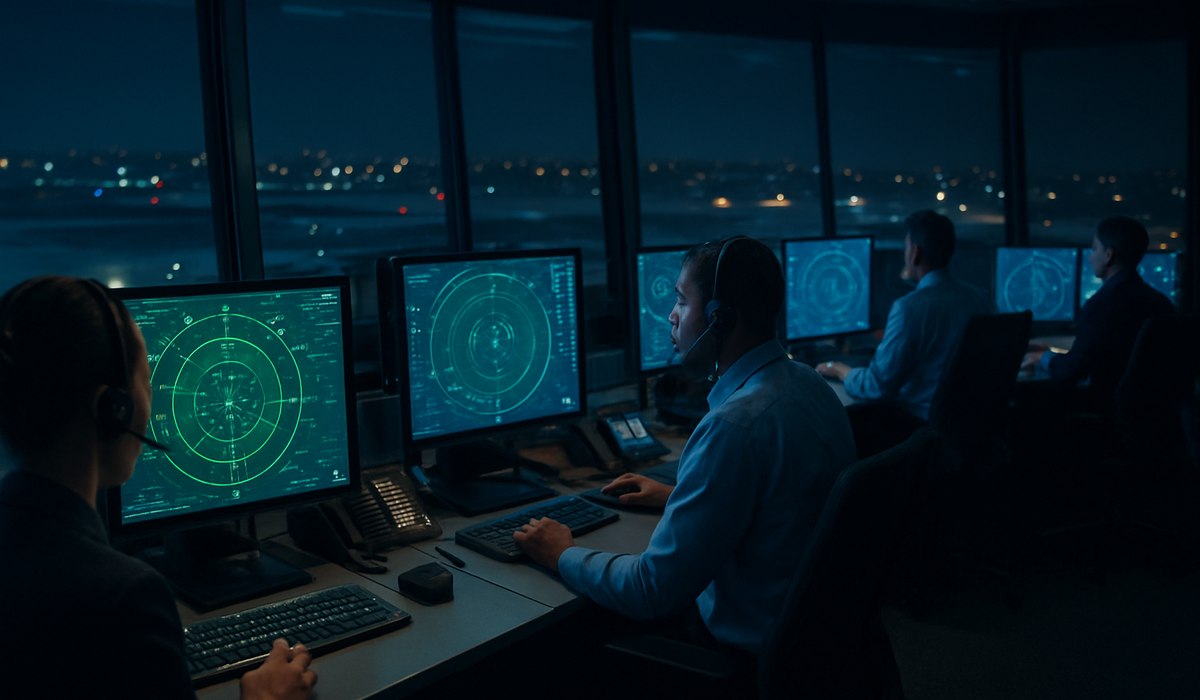
Image generated by AI
The Federal Aviation System Faces Its Steepest Staffing Crisis in Two Decades
The Federal Aviation Administration is operating with approximately 3,000 unfilled air traffic controller positions, marking the worst staffing shortage in over twenty years. Recent workforce data submitted to Congress reveals that roughly one in five controller positions sit vacant at America's busiest airports and facilities. This acute controller shortage raises serious concerns about operational gridlock, flight delays, and safety as commercial air traffic continues to exceed pre-pandemic volume levels across major hubs including New York, Chicago, and Los Angeles.
The staffing crisis has reached critical proportions as the FAA struggles to hire and retain qualified controllers faster than current personnel retire or transfer. Independent policy analyses describe the deficit as the steepest since the early 1980s controller firings. Unlike that era, however, today's challenge occurs while passenger demand remains robust and aircraft movements have surged beyond historical norms.
A Decade-High Staffing Crisis Threatens Operational Capacity
The magnitude of the controller shortage raises alarms throughout the aviation industry. FAA records show that overall controller employment has declined from its 2016 peak despite flight schedules rebounding strongly. The Air Traffic Control Workforce Development Act of 2025 identified more than 2,300 certified controllers below FAA hiring goals, with labor groups arguing the true deficit exceeds 3,500 when accounting for operational demand benchmarks.
The gap proves most severe at major en route centers and high-volume terminal radar facilities serving complex traffic zones. Controllers at these facilities routinely manage more sectors and positions than internal staffing models recommend, creating fatigue and operational pressure. FAA workforce projections released in late 2025 anticipated the loss of nearly 1,600 controllers within a single year, indicating that retirements and attrition outpace new hires significantly.
Ground crews and pilots have reported increasing instances of mandatory overtime and extended shifts, raising questions about fatigue management and decision-making quality among overextended personnel.
Safety and Delays Mounting Across Major Hubs
Travelers have already experienced tangible disruption from the controller shortage raises operational constraints at key facilities. Industry publications have documented multiple ground delay programs and traffic flow restrictions attributed directly to staffing shortfalls rather than weather or equipment failures.
Chicago O'Hare International Airport experienced notable spring delays after the en route center managing high-altitude traffic operated below target staffing levels for the day's flight volume. Similar scenarios have emerged nationwide. During the October 2025 federal government shutdown, FAA advisories pointed to chronic understaffing at towers and centers in Boston, Philadelphia, Atlanta, Houston, Las Vegas, and Nashville. Understaffed facilities triggered "staffing triggers" that forced temporary traffic halts at some of America's busiest airports.
Los Angeles International Airport endured a brief ground stop after a key air traffic facility lacked sufficient personnel for normal traffic volumes. When major hubs implement departure metering or arrival restrictions, aircraft and crews fall out of position, triggering cascading delays and cancellations across airline networks. Analysts warn that approaching summer peak travel season will leave the system with minimal margin to absorb thunderstorms, equipment outages, or routine disruptions.
For current tracking of active delays related to staffing issues, visit FlightAware for real-time flight status updates across affected airports.
Legislative Solutions and Industry Response Taking Shape
Congressional recognition of the crisis has prompted legislative action. The Air Traffic Control Workforce Development Act of 2025 proposed measures to accelerate controller hiring and training pipelines. The FAA has announced recent gains in recruitment efforts, though multi-year staffing plans acknowledge that impending retirements will offset much progress.
Aviation stakeholder groups, including pilot associations and airline representatives, have called for increased controller compensation, streamlined hiring processes, and expanded training facility capacity. Industry experts argue that the controller shortage raises not only operational concerns but also questions about whether federal staffing strategies adequately address long-term workforce sustainability.
Some regional airports have explored private air traffic control services for certain operations, though federal airspace management continues under FAA authority. The National Air Traffic Controllers Association has emphasized the need for comprehensive workforce planning that accounts for demographic shifts and retirement waves anticipated through 2030.
What Travelers Should Expect During This Critical Period
The controller shortage raises practical implications for anyone planning air travel. Flight delays have become more frequent at major hubs during peak hours. Ground delay programs may stretch journey times by one to three hours for departing flights. Connection opportunities tighten when cascading delays occur, and some itineraries may require rebooking.
Airlines have adjusted operations by spacing departures more conservatively, which extends overall travel time. Passengers should anticipate longer airport processing times and reduced schedule flexibility during morning and evening rush periods. Carry-on baggage policies remain unchanged, but checked baggage may experience delayed delivery at congested destinations.
Real-time flight tracking through FlightAware helps travelers monitor conditions before arriving at the airport. The U.S. Department of Transportation provides passenger rights information, including compensation eligibility for certain delays exceeding three hours.
Traveler Action Checklist
-
Check real-time flight status on FlightAware or your airline's app before heading to the airport, particularly for departures between 8 AM and 10 AM or 4 PM and 7 PM when traffic peaks.
-
Book flights with longer connection windows (minimum three hours for domestic connections at major hubs) to accommodate potential delays from understaffed facilities.
-
Enroll in airline alerts to receive immediate notifications of schedule changes, ground delays, or cancellations affecting your reservation.
-
Verify your airline's rebooking policy before travel in case original flights require cancellation due to traffic control constraints.
-
Arrive at the airport 30 minutes earlier than usual to navigate longer security and check-in lines during peak travel periods.
-
Document flight delays exceeding three hours with timestamps and airline records if seeking compensation under DOT regulations.
-
Purchase travel insurance that covers delays and cancellations to protect against financial losses from extended disruptions.
-
Contact your airline directly rather than using automated systems for schedule changes to confirm available alternatives faster.
Key Staffing Crisis Data: The Numbers Behind the Crisis
| Metric | Figure | Timeline | Impact |
|---|---|---|---|
| Total Controller Shortage | 3,000 positions | April 2026 | One in five positions vacant nationwide |
| Worst Shortage Since | Early 1980s | 40+ years | Most severe in modern era |
| Projected Annual Losses | 1,600 controllers | 2025 projection | Retirements offset new hires |
| Below FAA Targets | 2,300+ controllers | Current | Documented by Act of 2025 |
| Major Affected Hubs | New York, Chicago, LA | Spring 2026 | En route centers most impacted |
| Estimated Delay Impact | Multiple hours | Peak seasons | Ground delays program frequency increased |
| October 2025 Shutdown | Multiple facilities | One month | Boston, Philadelphia, Atlanta, Houston, Las Vegas, Nashville |
Safety Concerns and Near-Miss Incidents Intensifying
While commercial aviation remains statistically very safe in the United States, the controller shortage raises scrutiny of close-call incidents and operational risks. Investigative reporting has highlighted an increase in serious runway incursions and near-miss events, many occurring at congested airports where controllers report thin staffing and mandatory overtime concerns.
Fatigue management becomes increasingly critical when controllers work extended shifts beyond recommended limits. Safety culture depends partly on adequate staffing levels that allow controllers to maintain focus and make deliberate decisions under pressure. Industry safety
Disclaimer
This article is for informational and educational purposes only. It does not constitute legal, financial, or professional advice. While we strive to provide accurate and up-to-date information, travel policies, regulations, and conditions change rapidly. Always verify information with official sources before making travel decisions. Nomad Lawyer makes no representations about the accuracy, reliability, completeness, or suitability of the information provided. Readers should consult qualified professionals for advice specific to their circumstances. The views expressed in this article are those of the author and do not necessarily reflect the views of Nomad Lawyer.
Preeti Gunjan
Contributor & Community Manager
A passionate traveller and community builder. Preeti helps grow the Nomad Lawyer community, fostering engagement and bringing the reader experience to life.
Learn more about our team →