
US Public Lands Overtourism National Parks Alternatives
National conservation bureaus promote BLM and USFS public lands as alternative destinations to combat overcrowding in US National Parks in 2026.

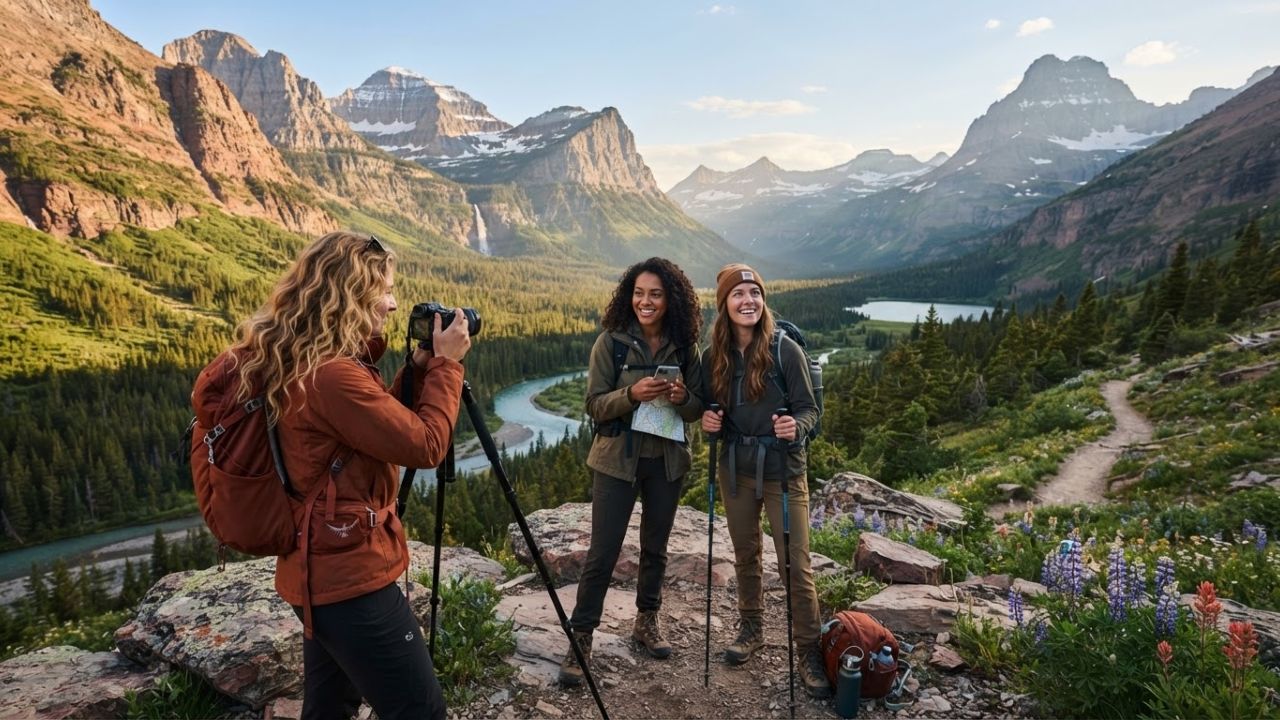
Image generated by AI
National Conservation Bureaus Promote BLM and Forest Service Lands to Relieve Severe Overcrowding Across US National Parks
To combat record foot traffic and reservation backlogs at primary national parks, US land management bureaus are redirecting outdoor recreation to lesser-known federal conservation lands. By promoting millions of acres managed by the Bureau of Land Management and the US Forest Service, officials hope to distribute economic benefits and preserve fragile ecosystems.
Overtourism Pressures on Public Lands
Mainstream national parks are experiencing historic visitor volumes, causing resource degradation and forcing managers to implement restrictive reservation policies. Timed-entry systems, permit lotteries, and entry passes are now common at popular park valleys, adding administrative hurdles for travelers.
To mitigate these issues, agencies like the Bureau of Land Management (BLM) and the United States Forest Service (USFS) are urging recreationists to explore adjacent public lands. These secondary lands provide similar geographic features and outdoor opportunities without the red tape or gate fees of premier park units.
Logistics and Visitor Impact
Choosing alternative wilderness spaces, such as substituting the sandstone formations of the Grand Staircase-Escalante National Monument for the crowded paths of Zion National Park, restores the open, wild feel of outdoor exploration:
- Reduced Logistics Friction: Utilizing alternative lands eliminates the need to participate in high-stakes reservation systems months in advance.
- Cost Advantages: Most BLM and USFS lands do not charge entrance or vehicle pass fees, reducing overall trip expenses.
- Crowded Trail Relief: Dispersing traffic to regional state parks and conservation units reduces trail density by up to 85 percent.
- Local Economy Uplift: Gateway towns outside traditional national park corridors are capturing new hospitality and lodging expenditures.
Crowded vs. Serene Nature Matrix
| Public Land System Metric | Target Capacity / Footprint | Operational Outcome |
|---|---|---|
| Primary System Strain | Concentration within top 10 national park hubs | Severe infrastructure wear & ecosystem damage |
| Hidden Alternative Acres | Exceeds 245 million acres (BLM baseline) | Open, uncrowded primitive recreation space |
| Strategic Cost Advantage | Free entry on most BLM/USFS sectors | Complete elimination of dynamic reservation fees |
| Crowding Reduction Yield | Dispersal to secondary trailheads | Local trail density decreased by up to 85% |
Wilderness Preservation Directives
The Bureau of Land Management explicitly reminds travelers that public lands are managed for multi-use benefits and belong to all citizens. Visitors are instructed to strictly observe Leave No Trace principles to keep primitive habitats pristine.
Industry analysts highlight that using official U.S. Geological Survey (USGS) interactive mapping tools helps hikers locate established dispersed campsites and secondary trailheads away from congested tourist corridors. Ecotourism specialists emphasize that distributing foot traffic across state forests and wildlife zones is crucial to preventing infrastructure failures and protecting wildlife migration routes.
FAQ: National Park Alternatives
What is causing the shift toward alternative public lands?
Record visitor traffic at major national parks has led to crowded trails, ecosystem damage, and complex timed-entry requirements, making uncrowded BLM and USFS lands more appealing.
How do BLM and USFS lands differ from national parks?
While national parks feature highly regulated infrastructures, BLM and Forest Service lands generally offer primitive backcountry camping, fewer fees, and less regulatory oversight.
What safety precautions should I take when visiting remote public lands?
Because remote conservation lands often lack cellular reception and developed amenities, travelers should carry physical maps, extra fuel, and sufficient water.
Related Travel Guides
Disclaimer
This article is for informational and educational purposes only. It does not constitute legal, financial, or professional advice. While we strive to provide accurate and up-to-date information, travel policies, regulations, and conditions change rapidly. Always verify information with official sources before making travel decisions. Nomad Lawyer makes no representations about the accuracy, reliability, completeness, or suitability of the information provided. Readers should consult qualified professionals for advice specific to their circumstances. The views expressed in this article are those of the author and do not necessarily reflect the views of Nomad Lawyer.
Kunal K Choudhary
Co-Founder & Contributor
A passionate traveller and tech enthusiast. Kunal contributes to the vision and growth of Nomad Lawyer, bringing fresh perspectives and driving the community forward.
Learn more about our team →