
Sri Lanka Tourism Revenue Drops 11.5% in 2026 Amid Rising Fuel Costs and Site Overcrowding
Despite steady arrival numbers, Sri Lanka's tourism revenue fell 11.5% in the first seven months of 2026, driven by inflationary fuel spikes and a lack of high-spending luxury visitors.

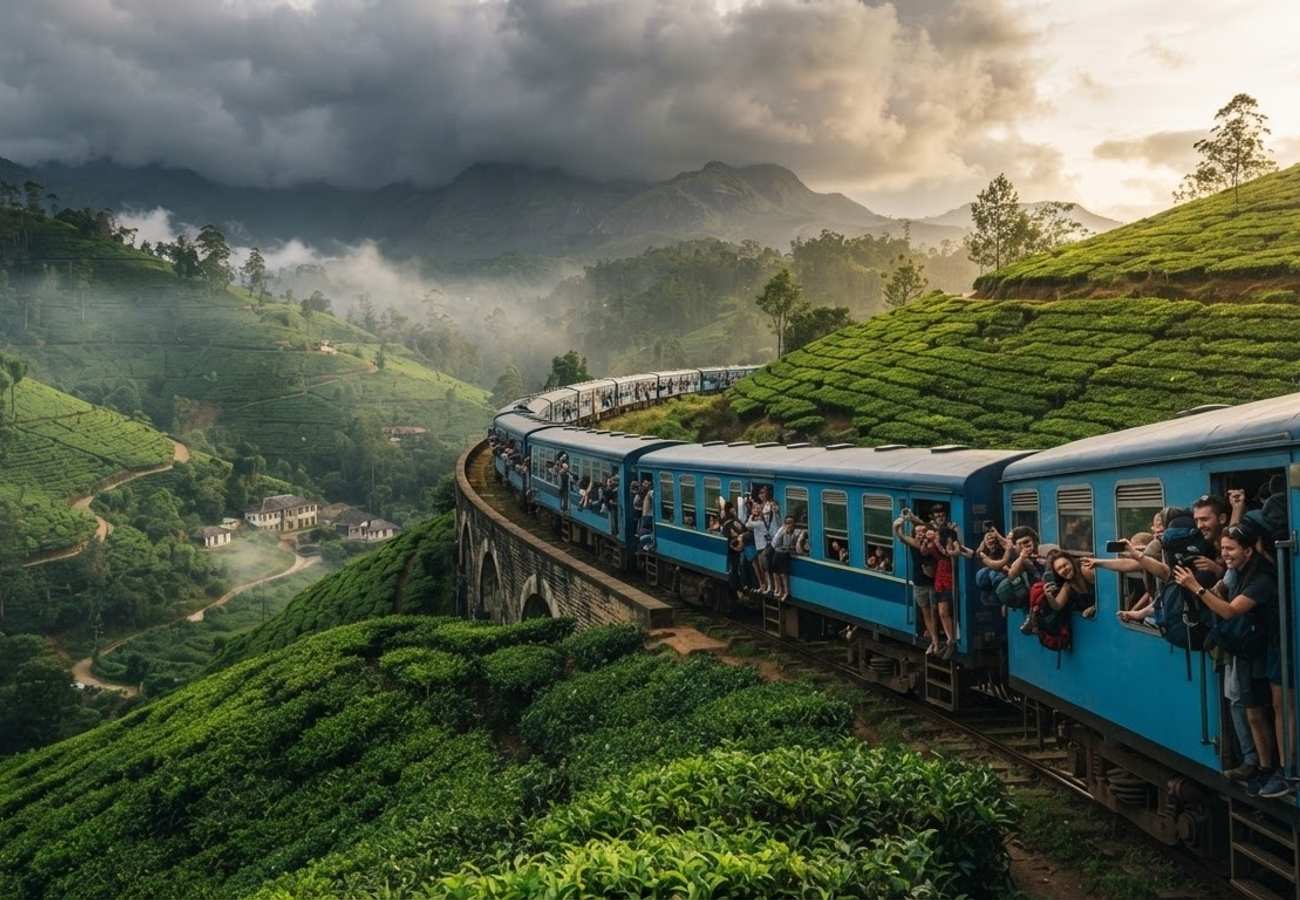
Image generated by AI
Sri Lanka is facing a structural economic paradox where rising visitor volumes are decoupled from financial gains, resulting in an 11.5% contraction in tourism revenue during the first seven months of 2026.
The Revenue-Arrival Paradox
The travel sector in Sri Lanka has entered a period of volatility. While immigration counters at Bandaranaike International Airport continue to record steady streams of international visitors, the actual foreign currency injection into the domestic economy has shrunk. According to the Central Bank of Sri Lanka, tourism-related foreign exchange earnings for the first seven months of 2026 declined by 11.5% compared to the same period in 2025.
This trend indicates a shift in visitor demographics. The current influx is dominated by budget-conscious travelers and backpackers, while high-net-worth individuals—who historically drive the bulk of revenue—have decreased their presence. This shift is evidenced by a decline in per-capita spending, with tourists opting for shorter stays, budget accommodations, and reduced discretionary spending on dining and excursions.
Financial Performance Metrics (2025–2026)
The following data illustrates the divergence between arrival numbers and actual revenue yields.
| Metric | 2018 (Historic Peak) | 2025 (Post-Crisis Boom) | 2026 (Jan–July) |
|---|---|---|---|
| Total Arrivals | 2.33 Million | 2.36 Million | Marginal Softening |
| Total Revenue | $4.38 Billion | $3.22 Billion | ~$1.51 Billion (H1) |
| June Revenue | N/A | N/A | $151.1 Million |
| Revenue Trend | Baseline High | Recovery Phase | 11.5% YoY Decrease |
The June 2026 revenue of $151.1 million represents an 11% contraction from the previous year and stands as the lowest monthly revenue recorded in the current calendar year.
Primary Drivers of Revenue Decline
Marketing Vacuum and Brand Erosion
A significant catalyst for the revenue deficit was the failure to implement a cohesive global promotional strategy throughout late 2025 and early 2026. While regional competitors in Southeast Asia launched aggressive campaigns, Sri Lanka suffered from administrative delays. This gap allowed premium travelers to bypass the island in favor of destinations that actively courted the luxury and wellness markets.
To counter this, the Sri Lanka Tourism Promotion Bureau (SLTPB) has launched an interim 1.5 billion rupee digital and PR campaign running from August 2026 through April 2027. This is a precursor to a larger 5.0 billion rupee global campaign planned for 2027. The immediate focus is on six key markets:
- United Kingdom
- Germany
- Australia
- India
- China
- Russia
Macroeconomic Pressure and Transport Inflation
Internal inflationary headwinds, specifically regarding fuel, have eroded the tourism value chain. Because Sri Lanka depends entirely on imported fuel, energy market volatility and Middle East tensions in early 2026 forced domestic fuel prices upward.
This has directly impacted tourist mobility. The cost of hiring private vehicles and intercity coaches has risen sharply, prompting travelers to restrict their geographical movement. Many visitors are now staying in single locations longer rather than undertaking the traditional multi-city itineraries that previously drove high spending.
Traveler Logistics Guide: Navigating Sri Lanka in 2026
From a ground-level perspective, the best way to navigate the current economic climate in Sri Lanka is to pivot away from traditional "grand tours" and toward localized hubs.
Booking Connections and Transport Avoid last-minute private driver bookings, as tariffs are currently volatile due to fuel fluctuations. To manage costs:
- Utilize Rail: The railway network remains the most cost-effective way to move between Colombo, Kandy, and Ella. Book "Observation Class" or "First Class" tickets well in advance via official channels to avoid overcrowding.
- Hub-and-Spoke Travel: Instead of daily hotel changes, select two primary bases (e.g., one in the Cultural Triangle and one in the South Coast) and use local tuk-tuks for short-range excursions.
Managing Site Overcrowding Historic sites are experiencing extreme crowding. To avoid the peak congestion that is currently impacting the visitor experience:
- Early Entry: Arrive at major sites like Sigiriya or the Temple of the Tooth at opening hours (typically 6:00 AM to 7:00 AM).
- Off-Peak Scheduling: Visit popular coastal zones mid-week to avoid the weekend surge of domestic and budget international travelers.
Digital and Customs Policies Ensure all visa requirements are handled via the official government portal prior to arrival to avoid delays at Bandaranaike International Airport. Keep digital copies of your vaccination and travel insurance records, as these are frequently requested during the current regulatory crackdown on coastal zones.
Infrastructure and Regional Impact
The current revenue slump highlights a critical vulnerability in Sri Lanka's tourism infrastructure: an over-reliance on volume over value. The shift toward budget tourism has put immense pressure on historic sites, leading to overcrowding that threatens the preservation of cultural landmarks.
The government's move toward a 5.0 billion rupee marketing investment for 2027 suggests a strategic pivot toward "high-value, low-impact" tourism. If successful, this will shift the burden away from overcrowded public infrastructure and toward boutique, sustainable developments.
The disconnect between arrival numbers and revenue serves as a warning for emerging destinations: footfall is a vanity metric; yield is the only metric that ensures sustainability.
Related Travel Guides
Disclaimer
This article is for informational and educational purposes only. It does not constitute legal, financial, or professional advice. While we strive to provide accurate and up-to-date information, travel policies, regulations, and conditions change rapidly. Always verify information with official sources before making travel decisions. Nomad Lawyer makes no representations about the accuracy, reliability, completeness, or suitability of the information provided. Readers should consult qualified professionals for advice specific to their circumstances. The views expressed in this article are those of the author and do not necessarily reflect the views of Nomad Lawyer.
Preeti Gunjan
Contributor & Community Manager
A passionate traveller and community builder. Preeti helps grow the Nomad Lawyer community, fostering engagement and bringing the reader experience to life.
Learn more about our team →