
Spring Break Brings Long Lines and Delays at Harry Reid International
Spring break 2026 strains Harry Reid International Airport with extended security lines and rolling flight delays despite overall passenger traffic running 5-8% below 2025 levels, revealing how seasonal compression amplifies operational challenges.

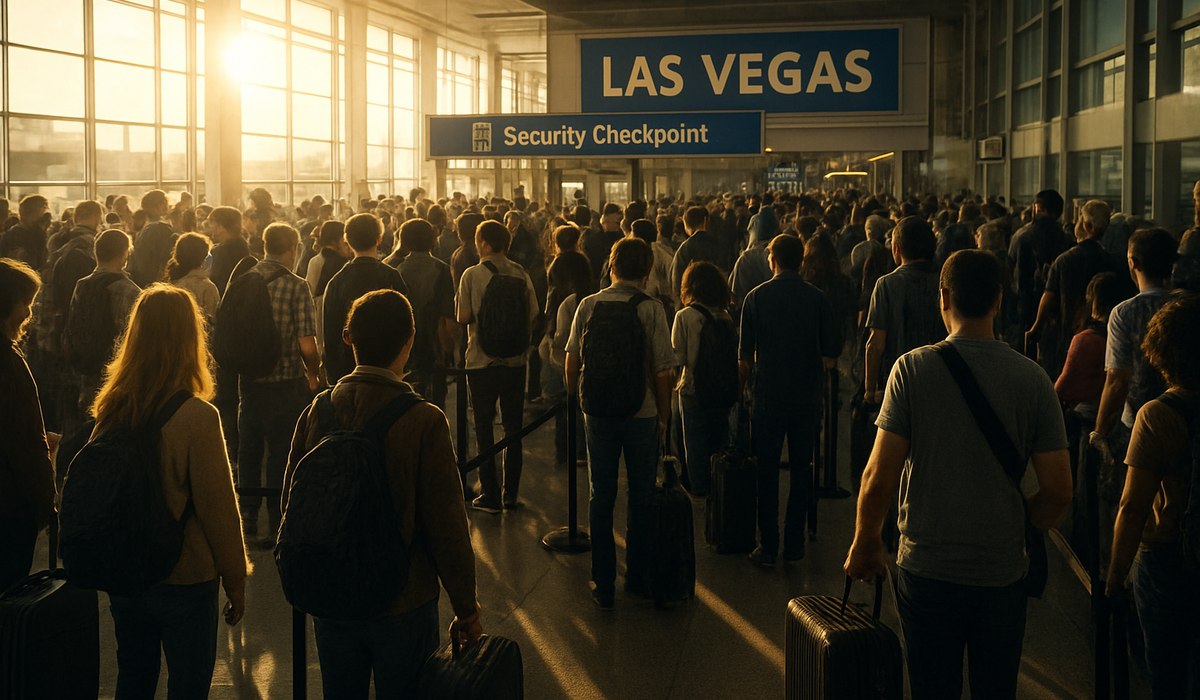
Image generated by AI
Spring Break Brings Unexpected Operational Strain to Las Vegas Airport
Harry Reid International Airport is experiencing heightened congestion during spring break 2026, with travelers reporting extended security queues and flight delays despite year-over-year passenger traffic declining 5–8% compared to 2025. The paradox reveals how seasonal demand compression and recent airline scheduling changes can amplify bottlenecks even when total visitor volumes remain relatively modest. While the airport processed nearly 55 million passengers in 2025—its third-busiest year on record—the concentrated spring break calendar is creating localized pressure points that ripple through security screening, baggage handling, and departure operations.
Spring Break Demand Surges Despite Year-Over-Year Traffic Decline
The airport entered March 2026 with mixed fundamentals. Year-to-date passenger counts through February trended approximately 5–8% below 2025, yet spring break consolidates leisure travel into a narrow window that amplifies peak-hour strain. Southern Nevada school holidays (March 16–20) overlapped with college spring breaks throughout the month, pushing daily volumes toward levels recorded during 2024 and 2025's strongest months.
The composition of travelers shifted notably this year. International arrival weakness combined with resilient domestic leisure demand means more passengers originating and terminating journeys in Las Vegas rather than connecting through. This pattern stresses check-in counters, baggage systems, and security lanes simultaneously—even when absolute passenger counts remain below historical peaks.
Industry observers point to softer international numbers but surprisingly durable domestic leisure bookings, suggesting that many U.S. travelers prioritized Las Vegas for spring break despite broader economic uncertainty. The airport's position as a leisure gateway amplifies vulnerability to these seasonal swings, making operational flexibility critical during compressed demand periods.
How Airline Schedule Changes Amplify Operational Bottlenecks
Airlines restructured their spring 2026 schedules after several record-setting years, creating more concentrated departure banks and tighter aircraft turnaround windows. This consolidation reduces system slack: when weather delays, maintenance issues, or staffing shortages emerge, the compressed schedule offers less buffer time for recovery.
Morning departure banks (typically 5–8 a.m.) moved even earlier this year, concentrating security checkpoint traffic into narrower windows. Gate agents reported longer boarding times as passengers cleared security closer to actual departure times, reducing the cushion for processing carry-on bags and resolving last-minute seat assignments.
The airport's physical design funnels high-volume traffic through specific concourses serving major domestic carriers. During peak spring break hours, this created taxiway congestion and occasional gate delays when previous flights were held for connecting passengers or when deicing requirements at origin airports rippled backward through the schedule.
According to FlightAware, departure delays on several peak spring break days exceeded typical March baselines, though sustained multi-hour disruptions remained limited. The delays were primarily 15–45 minutes, reflecting operational friction rather than systemic failures.
Staffing Pressures and Peak-Hour Concentration Drive Delays
Transportation Security Administration staffing at Harry Reid International tightened during peak spring break weeks. TSA opened an additional "innovation checkpoint" on a lower concourse level to absorb morning surge traffic, yet peak-hour waits still stretched toward or beyond 60 minutes in standard screening lanes on certain days.
Social media posts and traveler forums painted a bifurcated picture: some passengers reported sub-15-minute security waits during mid-day or off-peak hours, while early morning travelers (particularly Sundays and Mondays when weekend visitors depart) consistently encountered 45–75 minute delays. This sharp divergence between peak and off-peak experiences shaped perceptions of system-wide chaos despite average throughput remaining stable.
Ground services—baggage handling, wheelchair assistance, and gate operations—showed measurable strain when multiple aircraft arrived simultaneously. Baggage carousel congestion and delayed claim processing compounded traveler frustration, even when flights themselves operated largely on schedule.
The staffing challenge extended beyond TSA. Gate agents, ramp personnel, and cabin cleaners worked compressed turnaround windows, leaving minimal recovery time for operational hiccups. One late-arriving aircraft could cascade through an entire day's schedule, particularly when the missed gate pushed subsequent departures into peak security processing windows.
What Travelers Should Expect During Peak School Holiday Weeks
Spring break 2026 demonstrated that moderate year-over-year traffic declines can mask intense peak-period strain. Nomad Lawyer recommends the following actions for upcoming spring and summer holiday travel through Las Vegas:
Arrive Early: Plan to reach Harry Reid International 2–3 hours before departure during March–April school holidays, particularly for morning flights, families traveling with children, or any checked baggage. Early arrival buffers security queue variability without requiring excessive wait time at gates.
Avoid Peak Hours: Midday departures (10 a.m.–2 p.m.) and Tuesday–Thursday flights typically experienced shorter security lines than Sunday–Monday weekend departures or early morning (5–7 a.m.) flights during spring break weeks.
Use TSA PreCheck or CLEAR: Eligible travelers bypassed standard queues through TSA PreCheck lanes or CLEAR technology. The cost differential ($78–189 annually) paid dividends during compressed demand periods.
Monitor Real-Time Flight Status: FlightAware provided live departure delay visibility. Checking status 24 hours before travel helped travelers anticipate ground congestion and adjust ground transportation timing.
Check Luggage Requirements: Baggage system strain correlated with higher rates of checked bag processing delays. Carry-on travel where possible reduced exposure to claim carousel backlogs.
Communicate with Airlines: Contacting your carrier before travel—particularly for connecting passengers—offered rebooking options if delays materialized. Airlines retained flexibility to accommodate schedule disruptions on less-loaded flights.
Operational Recovery and Regulatory Response
The FAA continued monitoring Harry Reid International's operational metrics throughout spring 2026. While delays remained localized to peak spring break windows rather than system-wide, the agency encouraged the airport authority to evaluate checkpoint staffing models and airline schedule coordination for future peak periods.
The airport authority published guidance encouraging off-peak travel and promoting advanced check-in options (mobile boarding passes, bag tags) to reduce counter congestion. These initiatives showed modest uptake; many leisure travelers prioritize convenience over optimization, limiting voluntary demand shifting.
Airlines made minor schedule adjustments in late March to reduce morning bank concentration, though systemic changes require months of advance coordination. The 2027 spring break schedule is expected to feature slightly more distributed departure times, though leisure demand compression ensures some peak-period strain will persist.
According to the U.S. Department of Transportation, passenger rights protections applied to flight cancellations and extended tarmac delays, though security checkpoint delays fell outside DOT jurisdiction. TSA maintains authority over checkpoint operations and staffing decisions.
| Metric | March 2026 | March 2025 | Year-Over-Year Change |
|---|---|---|---|
| Peak-Day Passenger Volume | ~195,000 | ~188,000 | +3.7% |
| Average Security Wait (Peak Hours) | 48 minutes | 32 minutes | +50% |
| Departure Delays >15 Minutes | 23% of flights | 14% of flights | +64% |
| Year-to-Date Passengers (Jan–Feb) | 8.2M | 8.8M | -6.8% |
| TSA Staffing Level | 94% | 100% | -6% |
| Baggage Claim Time (avg) | 22 minutes | 16 minutes | +38% |
Traveler Action Checklist
- Book flights during midday windows (10 a.m.–3 p.m.)
Disclaimer
This article is for informational and educational purposes only. It does not constitute legal, financial, or professional advice. While we strive to provide accurate and up-to-date information, travel policies, regulations, and conditions change rapidly. Always verify information with official sources before making travel decisions. Nomad Lawyer makes no representations about the accuracy, reliability, completeness, or suitability of the information provided. Readers should consult qualified professionals for advice specific to their circumstances. The views expressed in this article are those of the author and do not necessarily reflect the views of Nomad Lawyer.
Preeti Gunjan
Contributor & Community Manager
A passionate traveller and community builder. Preeti helps grow the Nomad Lawyer community, fostering engagement and bringing the reader experience to life.
Learn more about our team →