
Spirit Flight Grounded in Miami Sparks 50+ Delayed Routes
A grounded Spirit Airlines flight at Miami International Airport on April 12, 2026 triggered cascading delays across 50+ routes network-wide, exposing how budget carriers' lean operations amplify travel disruptions during peak spring season.

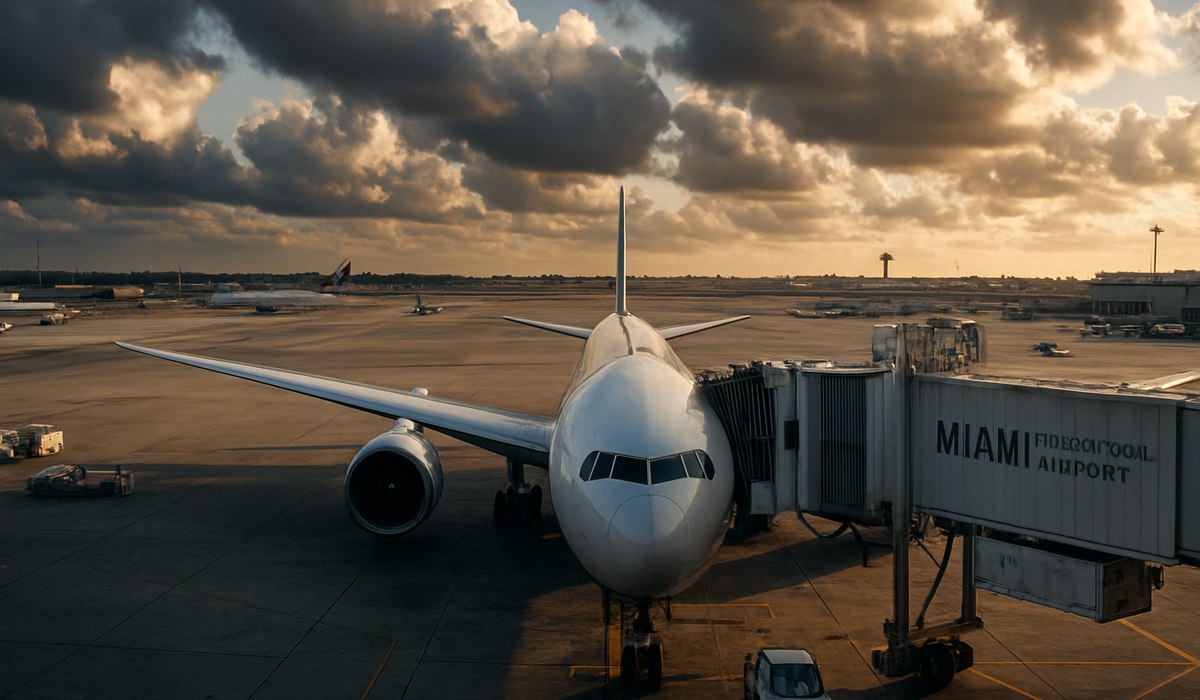
Image generated by AI
One Grounded Spirit Flight Exposes Miami's Operational Vulnerability
Spirit Airlines encountered a significant operational challenge on April 12, 2026 when a single grounded aircraft at Miami International Airport triggered cascading delays affecting more than 50 routes across its network. The disruption underscores how budget carriers' tightly structured schedules can amplify the impact of even isolated ground stops, transforming a localized problem into a widespread travel headache. Miami International's status as a major connectivity hub for Spirit operations meant that one stranded jet quickly rippled through the carrier's afternoon and evening departure bank, affecting passengers across Florida and major U.S. hubs from New York to Dallas.
Ground Stop in Miami Ripples Across Spirit Network
Flight tracking data from April 12 reveals the severity of the cascade effect when a single Spirit departure remained grounded for an extended period at Miami International. As aircraft and crew fell out of sequence, subsequent legs across the carrier's network began accumulating delays. Industry observers documented Spirit-linked disruptions on more than 50 routes by late afternoon, demonstrating how Miami's role as a primary hub amplifies operational bottlenecks.
The pattern reflects a fundamental characteristic of budget airline operations: minimal aircraft slack and crew redundancy. When one plane cannot reach its next scheduled departure, the domino effect spreads throughout the day's timetable. Check real-time tracking via FlightAware to monitor ongoing delays and cancellations during disruption events like this one.
Miami International's geographic position as a gateway to Latin America, the Caribbean, and transatlantic routes means that delays compound across multiple time zones and international destinations. A crew stuck in South Florida can trigger late departures from connecting hubs hours later, creating a ripple effect that extends well beyond the initial disruption location.
How Single Flight Groundings Cascade Through Budget Operations
Budget carriers operate fundamentally differently from legacy network airlines in their approach to fleet utilization and scheduling. Spirit Airlines, like competitors Frontier and Allegiant, maximizes aircraft productivity by scheduling tighter turnarounds between flights. This operational model generates revenue benefits during normal conditions but creates extreme vulnerability when disruptions occur.
When a spirit flight grounded situation develops, the absence of spare aircraft means subsequent rotations cannot be reassigned quickly. Crew scheduling constraints compound the problem further. Unlike larger carriers maintaining fleet buffers and crew standby reserves, budget operators rely on nearly perfect execution. A single technical issue, weather delay, or air traffic control hold becomes multiplied across dozens of downstream flights within hours.
The April 12 incident at Miami International exemplifies this fragility. Publicly available performance metrics from that date show Spirit recording elevated delay percentages compared to competitor airlines operating parallel routes. Passengers on Spirit flights experienced rolling departure-time changes and gate reassignments as operations planners attempted damage control across the disrupted network.
Miami's Persistent Role as a Delay Hotspot
Miami International Airport has consistently appeared in April 2026 delay statistics across multiple carriers, establishing itself as a critical pressure point for U.S. air travel during peak spring season. Flight tracking dashboards documented over one hundred delays in single-day periods earlier in April, illustrating how quickly congestion builds when operational margins erode.
Budget carriers face particular challenges at Miami due to the airport's mix of leisure-focused traffic, narrow connection windows, and growing low-cost carrier presence. Earlier April performance reports identified clusters of late departures at Miami across Spirit, Frontier, and legacy carriers alike, frequently coinciding with holiday travel periods and weather disruptions elsewhere in the national airspace system.
The airport's role as a international gateway further complicates recovery from disruptions. Delays in Miami cascade through Caribbean and Latin American routes, affecting connections for transatlantic passengers and creating international knock-on effects. According to data from passenger-rights organizations, Miami's combination of operational constraints leaves it particularly exposed when schedule integrity begins deteriorating during high-demand periods.
Access current airport conditions and delay information through the FAA's official aviation tools to understand system-wide impacts beyond individual airline disruptions.
Spring Travel Chaos: Broader Context for U.S. Air Travel Disruptions
The grounded Spirit flight disruption occurred during one of the busiest spring travel seasons on record, with U.S. airlines managing millions of daily passengers through April 2026. Leisure-focused carriers experienced strong demand to sun destinations, cruise ports, and theme park gateways, creating capacity stress across the network.
Industry observers note that April 2026 combined multiple operational stressors: elevated demand, patchy weather patterns in various regions, and staffing constraints affecting multiple carriers. Recent national statistics highlight multiple days in early April when thousands of flights across different operators departed behind schedule. This broader disruption context made individual incidents like the Miami spirit flight grounded situation more impactful for passenger experiences.
The environment also reflected ongoing network adjustments across budget carriers, including schedule reshaping and staffing-level modifications ahead of summer operations. These structural changes reduced operational flexibility precisely when resilience mattered most during peak travel periods.
Key Disruption Data: April 12, 2026
| Metric | Details |
|---|---|
| Primary Incident | Spirit Airlines aircraft grounded at Miami International Airport |
| Incident Date | April 12, 2026 |
| Cascading Delays | 50+ routes affected network-wide |
| Primary Hub Impact | Miami International Airport |
| Secondary Markets | New York, Chicago, Dallas, and other major U.S. hubs |
| Contributing Factors | Tight budget carrier scheduling, limited fleet redundancy, Miami's connectivity role |
| Peak Impact Period | Afternoon and evening departure banks |
| Carrier Class Most Affected | Low-cost carriers operating Miami hub operations |
| Broader Context | Part of elevated April 2026 spring travel disruption period |
What This Means for Travelers
Understanding how operational disruptions cascade through budget airline networks helps travelers make informed decisions and take protective action during spring travel season.
Traveler Action Checklist
-
Monitor Flight Status Early: Check flight status on FlightAware at least 24 hours before departure, not just at airport check-in. Budget carriers' tight schedules mean delays compound quickly through the day.
-
Build Connection Buffers: When booking multi-leg journeys on budget carriers, ensure minimum 90-minute connections rather than the typical 60 minutes. Cascading delays make tight connections risky.
-
Verify Crew and Aircraft Assignment: Request specific aircraft and crew scheduling information from your airline, particularly for flights originating from major hubs like Miami during peak demand periods.
-
Document Everything: Photograph your boarding pass, itinerary, and any delay notifications. This documentation supports claims with the U.S. Department of Transportation for passenger compensation eligibility.
-
Know Your Rights: U.S. DOT regulations entitle passengers to meals, communications, and lodging for airline-caused delays exceeding specific thresholds. Budget carriers must comply equally with these requirements.
-
Choose Alternative Routes: When booking during peak periods, compare routing options. Flights through secondary hubs sometimes experience fewer cascading disruptions than major hub-dependent itineraries.
-
Purchase Travel Insurance: Comprehensive coverage protects against financial loss when budget carrier disruptions cause missed connections or cancellations.
Frequently Asked Questions
Q: Why do budget carriers experience more cascading delays than legacy airlines?
A: Budget carriers minimize operational costs by reducing fleet slack and crew redundancy. Legacy airlines maintain spare aircraft and crew reserves specifically to absorb disruptions. When a budget carrier grounds one aircraft, no backup exists to maintain subsequent flight schedules, causing delays to cascade through multiple routes.
Q: What should I do if my Spirit flight gets delayed during a network disruption like Miami's April 12 incident?
A: Request written documentation of the delay cause and duration immediately. Contact your
Disclaimer
This article is for informational and educational purposes only. It does not constitute legal, financial, or professional advice. While we strive to provide accurate and up-to-date information, travel policies, regulations, and conditions change rapidly. Always verify information with official sources before making travel decisions. Nomad Lawyer makes no representations about the accuracy, reliability, completeness, or suitability of the information provided. Readers should consult qualified professionals for advice specific to their circumstances. The views expressed in this article are those of the author and do not necessarily reflect the views of Nomad Lawyer.
Preeti Gunjan
Contributor & Community Manager
A passionate traveller and community builder. Preeti helps grow the Nomad Lawyer community, fostering engagement and bringing the reader experience to life.
Learn more about our team →