
Spain's Wilderness Frontier: How Garajonay, Doñana, and Teide Are Pioneering High-Value Nature Escapes
Spain's eco-tourism market surges toward a projected $10 billion valuation as strict visitor quotas, electric alpine shuttles, and rare species recoveries transform wilderness travel across Garajonay, Doñana, and Teide.

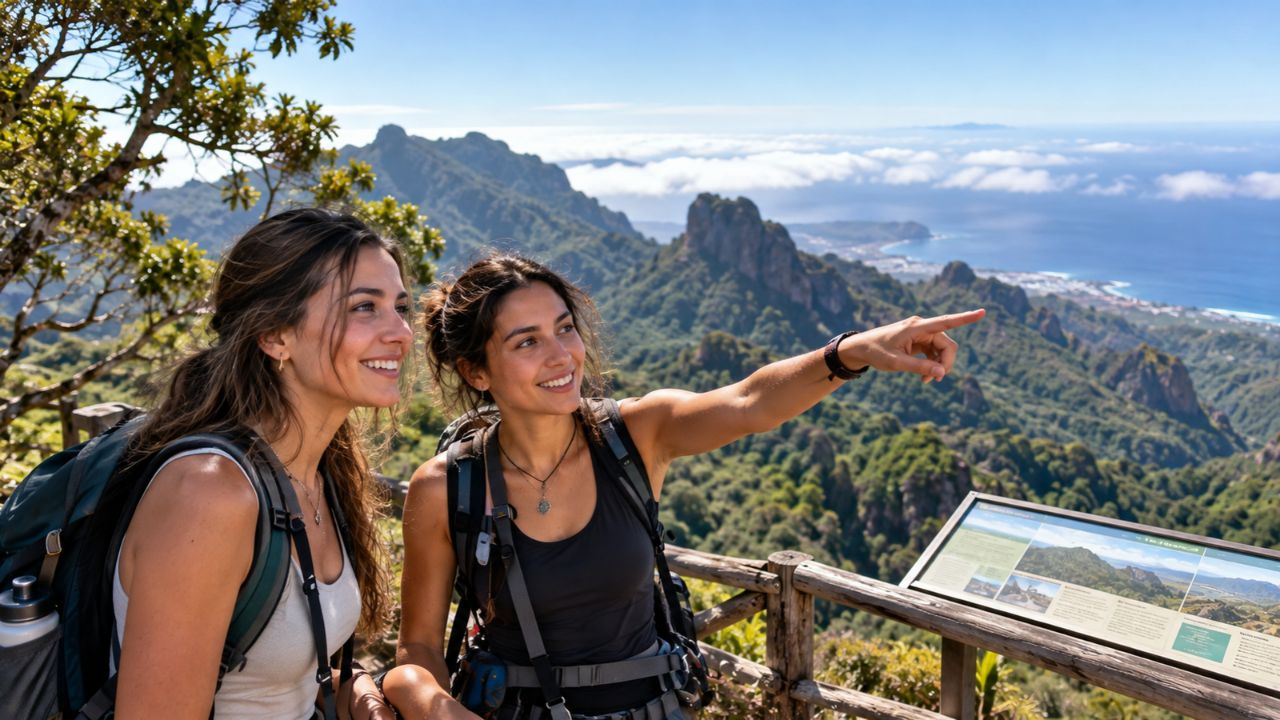
While Spain welcomed a record-shattering 96.8 million international visitors spending €134.7 billion EUR, the primeval laurel forests of Garajonay survive on an invisible weather phenomenon where dense sea mists supply up to three times more water than actual rainfall. Far from the packed Mediterranean sunbeds and packed cathedral squares, a quiet transformation is sweeping through Spain's most protected wilderness reserves. Rather than treating national reserves as mere scenic backdrops for quick photo stops, global explorers are choosing deliberate, slow-paced journeys that protect ancient biospheres while revitalizing remote rural economies.
Valued at an estimated $3,941.39 million USD, Spain's specialized eco-tourism sector is on track to reach $10,060.01 million USD by 2034, expanding at a sustained Compound Annual Growth Rate (CAGR) of 10.97%. This financial surge is propelled by younger adventurers: Generation Y (Millennials) commands 59.52% of the eco-tourism market. Concurrently, 81.12% of modern eco-conscious travelers now book through organized group arrangements, with certified tour operators managing 77.34% of sustainable travel itineraries. This shift toward guided exploration reflects an intentional choice to respect fragile ecosystems, follow local zoning laws, and support conservation-led regional economies.
The High-Value Shift in Spanish Nature Travel
For decades, international arrivals concentrated along sun-and-sand coastlines, generating intense spatial strain. Nationwide, tourism generates 12.6% of Spain's total Gross Domestic Product (GDP) and sustains over 2.7 million jobs. Yet extreme seasonality remains a systemic hurdle: more than 33% of Spain's annual visitor arrivals flood the country strictly during the third quarter (July, August, and September), with peak August registering over 11.2 million international arrivals.
To balance economic vitality with resource preservation, conservation managers overseeing the network coordinated through Spain.info and regional authorities have introduced strict carrying-capacity caps. By implementing digital time slots, electric shuttles, and certified guide mandates, Spain's premier national sanctuaries demonstrate how high traveler demand can coexist with fragile wilderness protection.
| Key Metric / Protected Area | Core Statistic or Regulatory Measure | Conservation & Travel Impact |
|---|---|---|
| Spanish Eco-Tourism Valuation (Current) | $3,941.39 million USD | Baseline market size for nature-based journeys |
| Spanish Eco-Tourism Valuation (2034 Projected) | $10,060.01 million USD (10.97% CAGR) | Rapid expansion toward sustainable wilderness spending |
| Millennial (Gen Y) Market Share | 59.52% | Dominant consumer demographic shaping green travel itineraries |
| Certified Group Excursion Share | 81.12% group travel / 77.34% operator bookings | Strict preference for guided, low-impact exploration |
| Macro Tourism Contribution | 96.8 million arrivals / €134.7 billion EUR | Generates 12.6% of national GDP; sustains 2.7M jobs |
| Summer Peak Season Pressure | >33% in Q3; >11.2 million arrivals in August alone | Drives mandatory seasonal visitor quota management |
| Garajonay Laurel Canopy Coverage | ~40% of La Gomera / 3x moisture from cloud mist | Horizontal precipitation buffers island against aridification |
| Doñana Iberian Lynx Population | Rebounded from <100 (early 2000s) to >2,000 | Eco-tourism revenues directly finance predator restoration |
| Mount Teide Altitude & Visitors | 3,715 meters elevation / >4 million annual visitors | Daily digital permits prevent volcanic summit erosion |
| Ordesa Valley Vehicle Emission Cuts | Up to 80% reduction during summer peak windows | Mandatory Torla electric shuttles eliminate traffic jams |
What Sets Spain's Protected Parks Apart
Each of Spain's iconic wilderness reserves safeguards a distinct prehistoric or geological relic, demanding specialized management strategies that differ dramatically from standard European national parks.
Garajonay: A Living Fossil in the Canary Islands
Set high on the volcanic island of La Gomera, Garajonay National Park preserves a living botanical museum. Recognised globally by the UNESCO World Heritage Centre, the park protects a dense expanse of Tertiary-era laurisilva (laurel rainforest). Millions of years ago, these humid laurel canopies blanketed southern Europe and northern Africa before ice ages wiped them out. Today, Garajonay covers nearly 40% of La Gomera's entire land surface. Moisture-laden trade winds blowing off the Atlantic collide with steep ridges, forming a persistent sea of fog. Through horizontal precipitation, condensation dripping from leaves delivers up to three times more moisture into the root beds than direct rainfall, creating an evergreen refuge filled with giant ferns, ancient mosses, and endemic songbirds.
Doñana: Europe's Ecological Crossroads
Along the Atlantic rim of Andalusia, Doñana National Park encompasses a constantly shifting mosaic of moving sand dunes, maritime pine forests, and seasonal marshlands. As the primary transit hub along the western European-African migration route, Doñana provides winter shelter for millions of migrating aquatic birds. Beyond its avian wealth, the park is the stage for one of modern wildlife biology's greatest triumphs: the recovery of the Iberian lynx. In the early 2000s, fewer than 100 individuals survived in the wild. Today, rigorous habitat restoration funded partly by eco-tourism receipts has expanded the lynx population to more than 2,000 individuals across Spain and Portugal, alongside flourishing pairs of the rare Iberian imperial eagle.
Teide: Volcanic Solitude Above the Clouds
Rising from central Tenerife, Mount Teide reaches an elevation of 3,715 meters, standing as the highest mountain in Spain. Attracting over 4 million visitors annually, this colossal stratovolcano features vast calderas, fields of petrified obsidian lava, and surreal pumice badlands. Due to its clean, high-altitude air above temperature inversion layers, Teide is an internationally acclaimed center for astronomical observation and high-altitude trekking.
Ordesa y Monte Perdido: Glacial Majesty in the Pyrenees
In the northern province of Huesca, Ordesa y Monte Perdido National Park showcases dramatic limestone geography dominated by the massif of Monte Perdido, which tops out at 3,355 meters above sea level. Plunging glacial canyons, roaring mountain cascades, and high alpine meadows provide essential habitat for endangered bearded vultures (quebrantahuesos) and agile Pyrenean chamois. To preserve air clarity and tranquility, park authorities strictly ban private cars from the canyon floor during peak seasons, running eco-friendly shuttle buses from the gateway village of Torla.
Visitor Insider Tips
Experiencing these fragile wilderness areas requires planning and deep respect for local regulations. Here is how to navigate each reserve like an experienced naturalist:
- Secure High-Altitude Permits Months Ahead: Climbing the final 200 vertical meters to the summit crater of Mount Teide requires a free digital permit from the Red de Parques Nacionales. Because allocations are strictly limited to prevent summit erosion, slots sell out three to four months in advance. If permits are fully booked, ride the cable car to the La Rambleta station at 3,555 meters and hike the unrestricted trail toward the Pico Viejo viewpoint.
- Time the Torla Shuttle in Ordesa: During peak summer and autumn foliage weeks, the road from Torla into the Ordesa Valley closes to private vehicles. Electric shuttle buses depart every 15 to 20 minutes from the large visitor parking area in Torla. Board the earliest bus at 06:00 to hike the classic Faja de Pelay trail to the Cola de Caballo waterfall before the midday crowds arrive.
- Embrace Early Morning Cloud Walking in Garajonay: The magical fog bank typically gathers along the central ridges of La Gomera between 08:30 and 11:30. Base yourself in the quiet northern village of Hermigua or Agulo, and start your morning on the Raso de la Bruma trail to walk through primeval laurel groves while misty tendrils drift through the tree branches.
- Access Doñana Exclusively via Certified Guides: You cannot simply drive your rental car into the core wetland zones of Doñana. To see shifting dunes and remote lagoons where flamingos gather, book an authorized four-wheel-drive safari departing from El Rocío or take a solar-powered boat tour up the Guadalquivir estuary from Sanlúcar de Barrameda.
- Taste Regional High-Country Gastronomy: Skip standardized tourist menus in favor of local culinary traditions. In La Gomera, order almogrote (a spicy cured-goat-cheese paste) and papas arrugadas with mojo picón. In Huesca's Pyrenean valleys, warm up with Ternasco de Aragón (slow-roasted milk-fed lamb) paired with local Somontano wine. Near Doñana, savor freshly caught tortillitas de camarones (crisp shrimp fritters) in Sanlúcar.
Cultural and Environmental Context
Wilderness preservation in Spain is deeply intertwined with rural community survival and climate resilience. In the high mountain valleys of Huesca and the terraced slopes of La Gomera, the flight of younger generations to major cities once threatened to leave ancient hamlets abandoned. The steady rise of eco-tourism—represented by travelers spending on certified mountain guides, family-run stone guesthouses, and organic farmsteads—provides an economic lifeline that keeps these communities intact.
Simultaneously, environmental pressures are intensifying. Climate variations place immense strain on Doñana's underground aquifers, making managed visitor allocations and wetland conservation imperative. In Garajonay, preventing soil compaction is vital: if hikers wander off marked footpaths, they crush the porous leaf litter that absorbs horizontal precipitation, drying out root systems that have thrived since prehistoric times. By choosing certified eco-tours and adhering to Leave-No-Trace codes, modern adventurers actively help protect these rare ecological sanctuaries for decades to come.
FAQ: Visiting Spain's National Parks 2026
What is the best time of year to visit Spain's national parks?
May through June and late September through October offer ideal conditions. You avoid the extreme summer heat, bypass the August peak of over 11.2 million arrivals, and enjoy clear hiking weather with flowing mountain streams.
Do I need special permits to enter Spanish national parks?
General park access is free, but specialized zones require advance permits. Mount Teide's summit crater requires an official digital reservation, while Doñana's core marshes require booking an authorized guided excursion.
How do I reach Garajonay National Park on La Gomera?
Fly into Tenerife South Airport, take a taxi to the Port of Los Cristianos, and board a fast ferry (Fred Olsen or Naviera Armas) for the 50-minute crossing to San Sebastián de La Gomera.
Are these wilderness reserves safe and accessible for solo travelers?
Yes. Spain maintains well-marked trail networks and robust mountain rescue teams. Solo travelers should stay on designated footpaths, check local weather advisories, download offline topo maps, and notify guesthouse hosts of their route.
True luxury in Spain is no longer measured by opulent suites, but by the privilege of walking through prehistoric mists where wild lynx roam free.
Related Travel Guides
Disclaimer
This article is for informational and educational purposes only. It does not constitute legal, financial, or professional advice. While we strive to provide accurate and up-to-date information, travel policies, regulations, and conditions change rapidly. Always verify information with official sources before making travel decisions. Nomad Lawyer makes no representations about the accuracy, reliability, completeness, or suitability of the information provided. Readers should consult qualified professionals for advice specific to their circumstances. The views expressed in this article are those of the author and do not necessarily reflect the views of Nomad Lawyer.
Preeti Gunjan
Contributor & Community Manager
A passionate traveller and community builder. Preeti helps grow the Nomad Lawyer community, fostering engagement and bringing the reader experience to life.
Learn more about our team →