
Spain Leads the Way Alongside Poland and Five Global Destinations as Budget Travel Takes a New Turn With Reported Savings of Up to 66% in 2026
Spain Leads the Way Alongside Poland and Five Global Destinations as Budget Travel Takes a New Turn With Reported Savings of Up to 66% in 2026

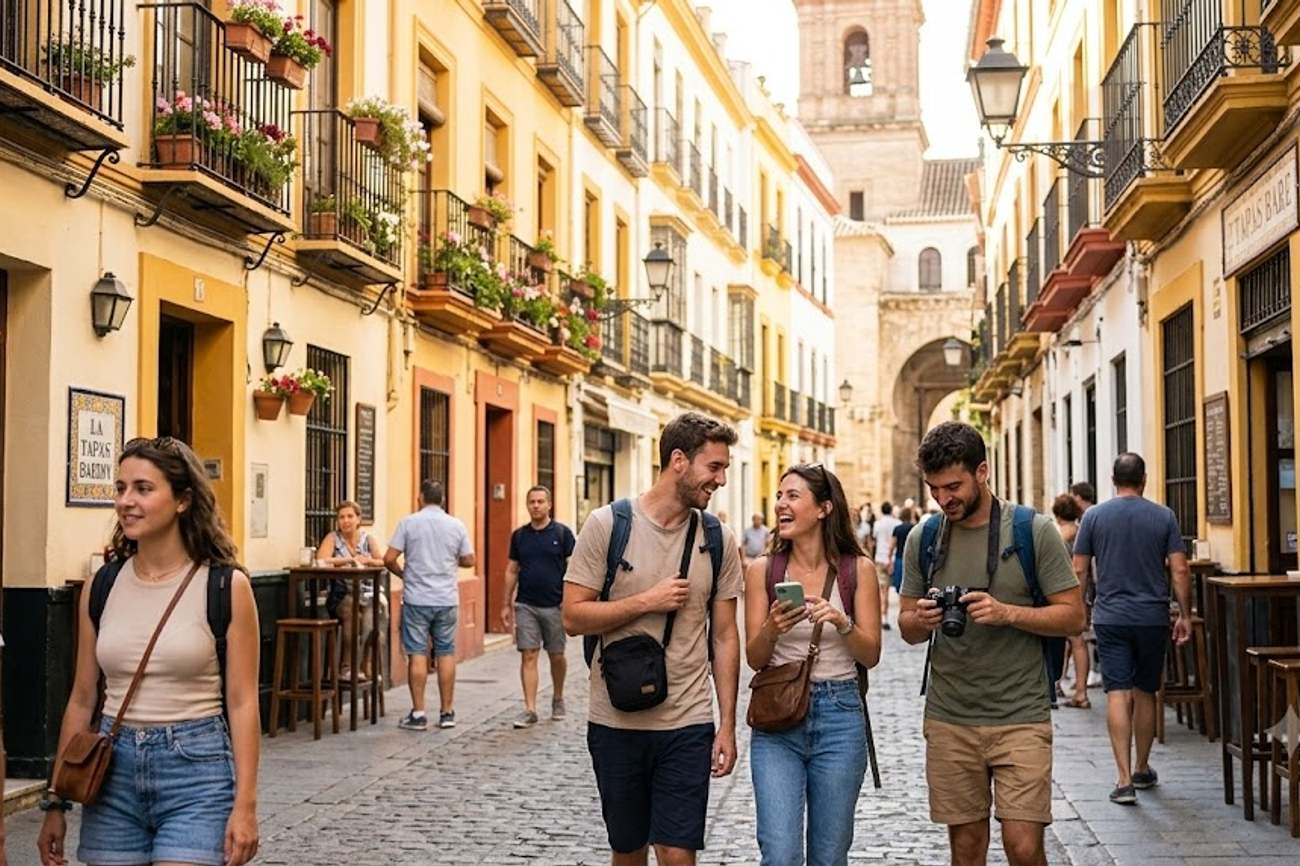
Image generated by AI
Reported holiday expenditure in Bilbao has plummeted by 66% according to recent 2026 projections, a stark contrast to the inflationary pressures seen across the broader Eurozone travel sector. This shift signals a transition where high-culture destinations are aggressively repositioning their value propositions to compete with traditional low-cost hubs.
The Value-Culture Shift in Numbers
The current market movement reveals a decoupling of "luxury" and "cost." Historically, cities like Zurich or Bordeaux were categorized as premium-spend destinations. However, new data indicates a significant downward trend in overall trip costs for 2026, with reductions ranging from 15% to 66% across seven key global nodes.
The most aggressive price correction is occurring in Spain, specifically Bilbao, where accommodation costs have seen a reported drop of approximately 63%. This is not merely a seasonal dip but a strategic realignment of the Basque region's tourism pricing. In contrast, Southeast Asian hubs like Krabi are seeing more modest reductions of 15%, suggesting that these markets have already reached a price floor or are experiencing higher demand-driven pressure.
For the data-driven traveler, the most critical metric is the "Indicative Daily Budget." While Zurich remains the most expensive on the list at €110–€190 per day, its 33% price reduction represents a massive absolute saving in currency terms compared to a 19% drop in a lower-cost city like Fez.
Regional Cost Benchmarks and Market Volatility
To understand these shifts, we must compare these destinations against their regional peers. The European market is currently bifurcated: Eastern European cities like Wrocław are leveraging extreme affordability to capture market share, while Western European cities are utilizing "price drops" to lure back mid-market travelers who migrated to cheaper regions during the 2023-2024 inflation spike.
The following table breaks down the reported 2026 price movements and spending requirements across the identified trend centers:
| Destination | Reported Price Reduction | Daily Budget (Low-High) | Primary Value Driver |
|---|---|---|---|
| Bilbao, Spain | 66% | €65–€120 | Architectural/Gastronomy |
| Wrocław, Poland | 47% | €35–€75 | Historic Urban/Budget |
| Bordeaux, France | 34% | €70–€130 | Viticulture/Heritage |
| Zurich, Switzerland | 33% | €110–€190 | Alpine/Premium Urban |
| Carcassonne, France | 20% | €60–€110 | Medieval Heritage |
| Fez, Morocco | 19% | €30–€65 | Traditional Craft/Medina |
| Krabi, Thailand | 15% | US$25–US$50 | Tropical/Island |
When analyzing this data via IATA trends, we see a pattern of "secondary city" growth. Travelers are bypassing primary capitals (e.g., Madrid or Paris) in favor of regional hubs (e.g., Bilbao or Bordeaux) where the cost-to-experience ratio is currently optimized.
What This Means for Travelers
The data suggests a strategic window for booking 2026 travel. If you are targeting high-culture European destinations, the current pricing trajectory favors the "Secondary City" strategy.
Actionable Booking Advice:
- For the High-Culture Traveler: Target Bilbao and Bordeaux. With reported savings of 66% and 34% respectively, these cities now offer a price point closer to traditional budget destinations while maintaining world-class infrastructure.
- For the Budget Nomad: Wrocław and Fez remain the gold standard for daily expenditure. With daily budgets as low as €30–€35, these locations allow for extended stays without compromising on cultural immersion.
- For the Luxury-on-a-Budget Traveler: Zurich's 33% reduction is the most significant "premium" drop. Planning for Q1 or Q3 2026—outside the peak Alpine winter and summer surges—will maximize this reported discount.
- Booking Window: Because these reductions are indicative and subject to volatility, booking 6-9 months in advance for 3-star and 4-star accommodations in Bilbao (currently €65–€95 per night) is recommended to lock in these rates before demand corrects the price.
2026 Projection: The Rise of the "Value-Hub"
Based on current trajectory and data from Statista, we are moving toward a "Value-Hub" model of tourism. In this model, destinations no longer compete solely on being "cheap" (like Krabi or Fez) but on providing "high-value" experiences at a reduced entry price.
Bilbao's 66% drop is a bellwether for this trend. By lowering the barrier to entry for the Guggenheim Museum and Basque gastronomy, the city is attempting to increase passenger throughput to offset lower per-visitor spending. We expect to see similar aggressive pricing strategies in other "museum cities" across Europe as they fight for a larger share of the global tourism spend.
Furthermore, the shift toward regional transport cards—such as the Barik card in Bilbao—indicates that cities are integrating transit costs into their value proposition to make the overall trip more manageable for the individual traveler.
FAQ: Global Value Destinations 2026
Will these price drops be available for all travelers? No. Savings depend on departure point, season, and booking lead time. The reported 15% to 66% reductions are indicative benchmarks, not guaranteed flat discounts across all booking platforms.
Is now a good time to book 2026 trips to Europe? Yes, particularly for secondary cities like Bilbao and Wrocław. The current trend shows a significant price correction in these markets, making early locks on accommodation highly advantageous.
Which destination offers the absolute lowest daily cost? Based on the data, Krabi (starting at US$25) and Fez (starting at €30) remain the most affordable options for daily subsistence and lodging.
Why is Bilbao showing such a massive 66% reduction? This represents a strategic repositioning to attract a broader demographic of cultural tourists, specifically targeting those who previously found the Basque region too expensive compared to southern Spain.
The era of the overpriced capital city is waning; the data points toward a decentralized, value-driven future for global exploration.
#BilbaoTourism2026 #WroclawBudgetTravel #EuropeanValueHubs #TravelPriceVolatility #BasqueCountryEconomics #SecondaryCityTrend
Related Travel Guides
- Visit County Durham Expands UK Tourism Promotion with a Spectacular Showcase of Heritage, Culture and Group Travel
- Dublin Emerges Alongside Madrid, Paris, and More in Driving October 2026 Budget Travel Demand With UK Fares Starting at £28
- US International Air Travel Dips 1.8% in July 2026: Shifting Trends Across Mexico, Europe, and the Caribbean
Disclaimer
This article is for informational and educational purposes only. It does not constitute legal, financial, or professional advice. While we strive to provide accurate and up-to-date information, travel policies, regulations, and conditions change rapidly. Always verify information with official sources before making travel decisions. Nomad Lawyer makes no representations about the accuracy, reliability, completeness, or suitability of the information provided. Readers should consult qualified professionals for advice specific to their circumstances. The views expressed in this article are those of the author and do not necessarily reflect the views of Nomad Lawyer.
Kunal K Choudhary
Co-Founder & Contributor
A passionate traveller and tech enthusiast. Kunal contributes to the vision and growth of Nomad Lawyer, bringing fresh perspectives and driving the community forward.
Learn more about our team →