
How Global Destinations From Spain to Bali Are Restructuring Visitor Policies to Combat Overtourism Crisis Through New Entry Taxes in 2026
As overtourism reaches a critical tipping point in 2026, major destinations from Barcelona to Bali implement entry taxes, short-term rental caps, and visitor limits.

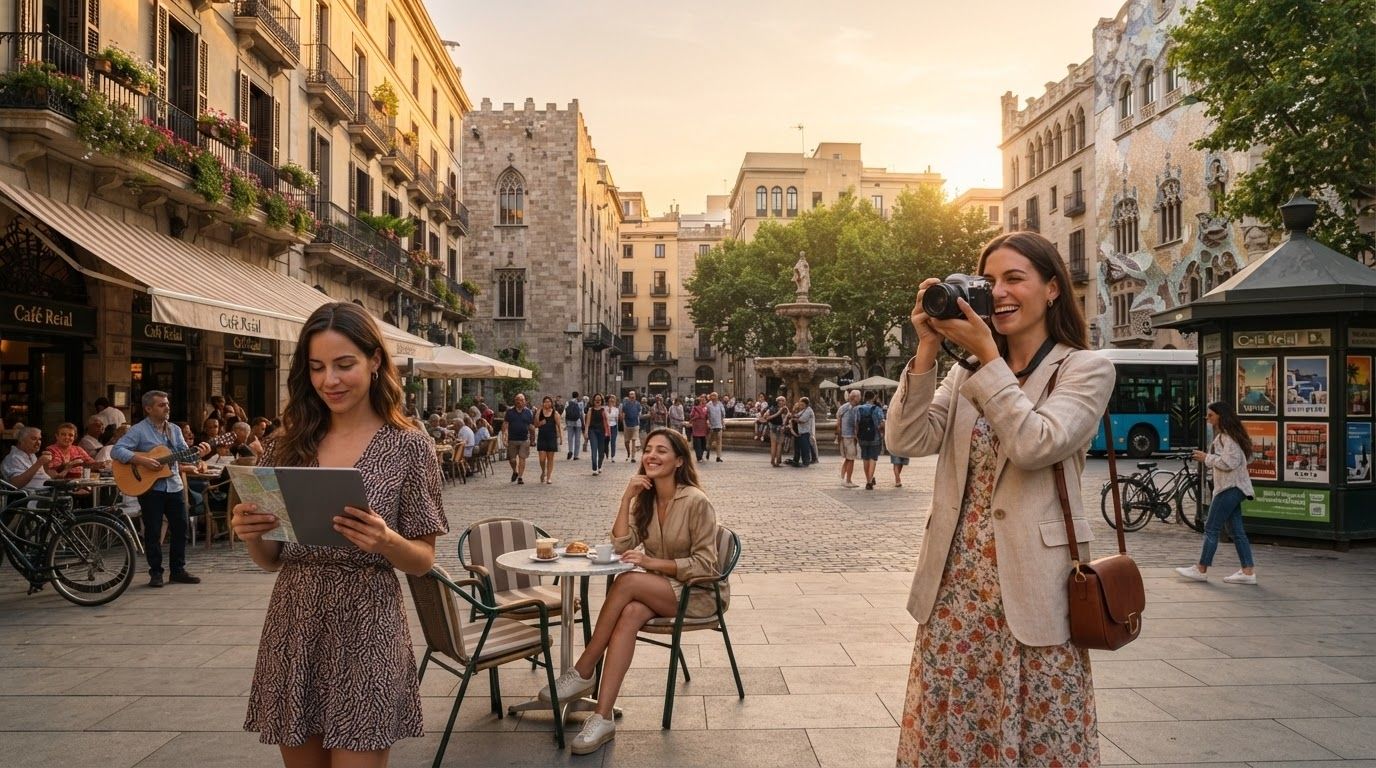
Image generated by AI
Published on July 14, 2026
Global tourist hotspots are restructuring their tourism management strategies by implementing visitor limits, higher daily entry fees, and strict short-term rental caps. These policies reflect a coordinated effort to protect local residential ecosystems and promote sustainable community-first travel models.
The Local Trend Revealed
Tourism has evolved into a massive global economic driver, directing millions of travelers to iconic historical cities and tropical regions. However, the rapid concentration of visitors has triggered a worldwide shift in how destinations approach hospitality. Rather than pursuing unchecked visitor growth, municipal authorities and regional governments are implementing regulatory frameworks to manage crowd pressure. The core challenge is addressing issues like housing shortages, municipal waste management, cultural identity degradation, and public transport congestion, ensuring that tourism supports rather than displaces local communities.
In Spain, regional authorities are introducing stricter controls to manage the impacts of mass tourism. Barcelona has emerged as a central focus of these efforts. The Barcelona City Council is implementing a phased plan to completely eliminate short-term holiday rental licenses by 2028, aiming to return housing stock to the local residential market. Additionally, Barcelona has increased its municipal tourism surcharges to €5 per night as of April 1, 2026. When combined with the regional Catalan tax (IEET), visitors to luxury five-star hotels face overnight fees of up to €15 per person. In the Balearic Islands and Canary Islands, local administrations are similarly adjusting their strategies to address rising infrastructure costs, resource consumption, and environmental degradation in fragile island ecosystems.
Italy’s historic canal city of Venice continues to serve as a key example of tourist flow management. To discourage excessive day-trip tourism—which generates limited economic benefits compared to overnight hotel stays—the Comune di Venezia has expanded its access fee system. During 60 designated peak travel days between April and July 2026, day-trippers must register online and pay a €5 access fee in advance, which increases to €10 for last-minute arrivals. Overnight hotel guests remain exempt but must register for a QR code to clear municipal checkpoints. This measure aims to balance the daily lives of residents with the preservation of historic heritage.
Greece is focusing on protecting its most popular island destinations, particularly Santorini and Mykonos. The Greek Ministry of Tourism has enforced a strict daily cap of 8,000 cruise passengers for Santorini, managed via a digital berth allocation system. Additionally, the government has introduced a €20 peak-season cruise passenger levy (applicable from June 1 to September 30) to fund municipal waste management and water supply systems, which face intense seasonal pressure.
In Indonesia, Bali has introduced a flat tourist levy to address the environmental challenges of rapid development. The Bali Provincial Government (Provinsi Bali) requires all international arrivals to pay a one-time fee of IDR 150,000 (approximately $10 USD) through the official Love Bali platform. These funds are designated for cultural preservation, beach cleanups, and local waste management projects. Similarly, Amsterdam in the Netherlands has implemented a 12.5% tourist tax on hotel rooms, alongside a €15 day-visitor fee, while Kyoto in Japan has introduced a tiered accommodation tax ranging from ¥200 to ¥10,000 per night to fund historic preservation.
Cultural & Environmental Value (Information Gain)
The transition toward managed tourism is designed to protect both the natural environment and local heritage. In many popular destinations, unchecked visitor numbers have led to increased environmental stress, including water shortages, inadequate waste disposal, and damage to historical structures. By establishing clear visitor caps and targeted fees, local governments can generate the revenue needed to fund conservation programs and maintain public infrastructure without placing the tax burden on residents.
For instance, the funds collected from Venice’s access fees and Barcelona’s municipal surcharges are directed toward public transit improvements and historical building restoration. In Greece, Santorini’s €20 cruise levy supports desalination plants, ensuring that both residents and visitors have access to clean drinking water during the dry summer months. These policies help protect the local environment while ensuring that communities benefit financially from tourism.
Furthermore, these initiatives support local economic development. By encouraging overnight stays and directing tourist tax revenue to municipal projects, destinations can support independent local businesses. In Kyoto, the tiered accommodation tax helps fund the maintenance of traditional wooden machiya townhouses and historic temples, preserving the city's architectural heritage. By managing visitor numbers and protecting the local culture, these destinations ensure they remain liveable for residents and attractive to travelers.
Visitor Insider Tips
For travelers planning to visit these popular destinations in 2026, here are several practical recommendations to help you navigate new regulations and support local communities:
- Pre-Register for Entry Fees: If you plan to visit Venice as a day-tripper, pre-register via the official cda.ve.it portal at least four days in advance to secure the lower €5 rate. Always keep your registration QR code on your mobile device to show to municipal enforcement officers.
- Pay the Bali Tourist Levy Online: Avoid long queues at Ngurah Rai International Airport by paying the IDR 150,000 tourist fee prior to arrival using the official Love Bali portal (
lovebali.baliprov.go.id). Ensure you download your digital receipt before passing through immigration. - Opt for Off-Peak Hours in Kyoto: Kyoto's historic Higashiyama and Arashiyama districts experience heavy foot traffic between 10:00 AM and 4:00 PM. Plan your temple visits for early morning (before 8:00 AM) to experience the sites in a quieter setting.
- Understand Accommodation Surcharges: Budget for local overnight taxes, which are often charged separately from your online room booking. In Barcelona, prepare for a combined municipal and regional tax of up to €15 per night depending on the hotel category.
- Support Local Dining Specialties: Move away from tourist-oriented restaurants near major landmarks. In Barcelona, seek out family-run tapas bars in the Gràcia neighborhood to try local dishes like esquixada (salted cod salad). In Bali, dine at local warungs to enjoy authentic nasi campur while supporting local residents directly.
- Observe Cultural Etiquette: Respect local guidelines in historical areas. In Kyoto, avoid taking photographs on private streets in the Gion district, where signs clearly prohibit unauthorized cameras. In Bali, wear a sarong when entering temple complexes and respect local religious ceremonies.
Tourism Outlook
The long-term outlook for global travel relies on a transition from volume-based growth to sustainable destination management. The regulations introduced in 2026 represent a structural shift in how cities and islands manage visitor arrivals. By establishing visitor limits and dedicated funding sources, destinations aim to balance economic development with environmental protection and community well-being.
Over the coming years, more destinations are expected to adopt similar strategies. The success of Venice's day-tripper fee and Bali's tourist levy will likely serve as models for other cities experiencing crowd pressure. By encouraging responsible travel practices and directing tourism revenues toward local conservation, the global travel industry can ensure that these historic and natural sites remain preserved for future generations.
Traveling with respect and local awareness is the defining standard for global journeys in 2026.
Related Travel Guides
Disclaimer
This article is for informational and educational purposes only. It does not constitute legal, financial, or professional advice. While we strive to provide accurate and up-to-date information, travel policies, regulations, and conditions change rapidly. Always verify information with official sources before making travel decisions. Nomad Lawyer makes no representations about the accuracy, reliability, completeness, or suitability of the information provided. Readers should consult qualified professionals for advice specific to their circumstances. The views expressed in this article are those of the author and do not necessarily reflect the views of Nomad Lawyer.
Kunal K Choudhary
Co-Founder & Contributor
A passionate traveller and tech enthusiast. Kunal contributes to the vision and growth of Nomad Lawyer, bringing fresh perspectives and driving the community forward.
Learn more about our team →