Spain and 42 European Nations Break Global Tourism Records with 5% Surge in Overnight Visitors


MADRID / BRUSSELS — In an extraordinary display of regional resilience and market innovation, the European continent has fundamentally rewritten global travel records for 2026, driven by a landmark 5 percent surge in international overnight visitor stays across a collective of forty-three sovereign nations led by Spain.
The global leisure and corporate travel economy in 2026 has reached historic scale. Worldwide cross-border arrivals soared to 1.57 billion travelers, pumping an unprecedented $7.8 trillion in direct expenditure into destination economies, while cumulative domestic and international visitor nights are projected to reach 23.9 billion.
Yet while the worldwide industry expanded at a modest baseline rate of 2 percent, Europe far outpaced the rest of the planet, transforming persistent macroeconomic headwinds, aviation fuel volatility, and geopolitical friction into an organic, intra-continental travel boom.
At the core of this continental outperformance is a profound shift in consumer psychology. Constrained by rising intercontinental airfares and route detours around volatile airspace, long-haul travel between global regions contracted by 3 percent.
In its place, European travelers embraced the "short-haul phenomenon." Holidaymakers opted for journeys closer to home, leveraging seamless cross-border high-speed railways, digital Schengen visa frameworks, and decentralized off-peak travel corridors.
By mastering the emerging behavioral paradigm of "hybrid budgeting"—where travelers aggressively economize on baseline airfare and standard accommodations to splurge lavishly on curated local gastronomy, alpine wellness, and heritage encounters—Europe has engineered the most comprehensive, balanced tourism expansion of the post-pandemic era.
       GLOBAL TRAVEL VS. EUROPEAN EXPANSION DYNAMICS (2026)

  Metric / Indicator                     Global Benchmark    European Performance
  -----------------------------------------------------------------------------
  Annual Inbound Growth Rate             +2.0% Overall       +5.0% Overnight Stays
  Total International Arrivals           1.57 Billion        ~628 Million (40% Share)
  Total Economic Contribution            $7.8 Trillion       >$2.3 Trillion (Direct)
  Long-Haul Intercontinental Traffic     -3.0% (Contraction) Absorbed by Short-Haul
  Primary Consumer Selection Driver      Cost & Stability    Value for Money (1 in 6)
  Adoption of "Hybrid Budgeting"         38% Globally        56% of European Travelers
  Active Off-Peak Seasonal Travel        14% Historically    22% in Autumn / Winter
The Behavioral Engine: Deconstructing the "Short-Haul" and "Hybrid Budget" Shifts
Europe’s 5 percent surge in overnight visitor volume did not occur by happenstance. It is the direct consequence of structural changes in how modern consumers allocate their discretionary vacation capital.
Rather than abandoning travel in the face of inflation, travelers adapted their booking habits with remarkable agility, creating new opportunities for regional destinations across the continent.
THE CONSUMER PSYCHOLOGY DRIVING EUROPE'S 5% SURGE
| Column 1 |
|---|
| 1. THE VALUE-FOR-MONEY PREROGATIVE |
| - 1 in 6 travelers now choose destinations strictly on price-to-quality ratio |
| - Up from 1 in 11 travelers during the corresponding period in 2025 |
| 2. THE RISE OF THE "HYBRID BUDGET" CONSUMER |
| - 56% of European travelers combine budget transit with luxury splurges |
| - Savings on low-cost flights and guesthouses spent on Michelin dining & spas |
| 3. INTRA-CONTINENTAL SHORT-HAUL DOMINANCE |
| - 3% decline in long-haul flights redirected into 2- to 4-hour regional trips |
| - Expansion of cross-border high-speed rail lines and night-train sleeper cars |
| 4. DELIBERATE OFF-PEAK AND SHOULDER-SEASON MIGRATION |
| - 22% of holidaymakers actively book outside peak July/August intervals |
| - Autumn wine harvests, alpine foliage, and mild Mediterranean winter breaks |
Four fundamental behavioral drivers define this continental shift:
- The Ascendance of Value-for-Money Decision Making: Consumer surveys across the European Union, the United Kingdom, and the Americas indicate that 1 in 6 international travelers now select their destination strictly on perceived value for money, a sharp acceleration from 1 in 11 travelers recorded in 2025. This metric does not signify a race to the bottom in budget backpacking; rather, it reflects a demanding consumer demographic seeking transparent pricing, zero hidden municipal surcharges, and high experiential returns per euro spent.
- The "Hybrid Budget" Revolution: A decisive 56 percent of tourists in 2026 utilize hybrid expenditure strategies. Holidaymakers purposefully book unbundled budget airfares (such as easyJet, Ryanair, or Wizz Air) or opt for secondary regional rail connections and modest boutique guesthouses, specifically to free up capital for high-end dining, private historical tours, thermal spa therapies, and authentic regional artisanal shopping.
- The Short-Haul Substitution Effect: Geopolitical instability and airspace closures across parts of Eastern Europe and the Middle East added hundreds of nautical miles to intercontinental flights, driving long-haul airfares up significantly. Faced with steep airfare surcharges, European and North American travelers substituted multi-week intercontinental journeys with multiple three- to five-night regional getaways within Europe, maximizing total overnight stays while minimizing airport transit stress.
- The Shoulder-Season Migration: With 22 percent of holidaymakers actively seeking off-peak vacations to bypass extreme summer heat waves and peak-season accommodation surcharges, the European calendar expanded horizontally. Travel to southern European coastlines and central European cultural centers in October, November, and March generated record hotel occupancy rates, smoothing out historically volatile seasonal revenue curves.
The Institutional Levers: How Continental Policy Accelerated the Record
While consumer demand provided the spark, progressive institutional governance across the European Union and partner states supplied the infrastructure that converted interest into confirmed bookings.
                  THE TRIPLE POLICY LEVERS OF EUROPEAN RESILIENCE

  [ Digital Schengen Visas ]          [ Rail Grid Integration ]        [ Stewardship Dispersal ]
  - Frictionless online apps          - Subsidized passes (Klimaticket)- AI crowd-monitoring hubs
  - Multiple-entry permissions        - Nightjet sleeper revival       - De-marketing packed cities
  - Reduced administrative wait       - High-speed direct trunks       - Tax subsidies for villages
Three synchronized policy mechanisms enabled the 43-nation surge:
- The Digital Schengen Visa Rollout: The gradual deployment of the EU’s digitized Schengen visa platform dramatically reduced administrative barriers for non-EU travelers. By enabling digital document uploads, remote biometric processing, and multi-year multiple-entry clearances, member states eliminated weeks of embassy processing delays, unlocking sudden surges in inbound bookings from key feeder markets across Latin America, the Gulf Cooperation Council (GCC), and East Asia.
- Continental Rail Integration and Subsidized Passes: Massive public-private investments in high-speed rail lines and cross-border sleeper networks transformed European transit. Initiatives such as Austria’s nationwide Klimaticket, Germany’s subsidized regional transport passes, France’s ban on short-haul domestic flights under two and a half hours, and the ongoing expansion of the Nightjet sleeper train network made multi-country overland travel faster, cheaper, and more sustainable than flying.
- AI-Driven Destination Stewardship: Armed with the European Commission's Common European Tourism Data Space, regional destination management organizations (DMOs) moved away from generic international advertising. Using predictive artificial intelligence, authorities monitored foot-traffic concentrations in real time, routing prospective visitors toward lesser-known heritage towns, national parks, and provincial wine regions before historic city centers breached carrying capacities.
The Vanguard Coalition: How 43 Nations Powered the Continental Record
To understand how Europe achieved its historic 5 percent expansion in overnight stays, one must examine the specific contributions of the forty-three nations comprising this successful coalition.
Organized into distinct geographic and economic clusters, each state deployed targeted initiatives that contributed to the continental milestone.
       THE 43-NATION EUROPEAN TOURISM VANGUARD: REGIONAL ALLIANCES

  [ Western European Giants (8) ]     [ Southern Mediterranean (8) ]   [ Alpine & Central (8) ]
  * Spain (The Anchor Leader)         * Italy                          * Austria
  * France                            * Greece                         * Switzerland
  * Germany                           * Portugal                       * Poland
  * United Kingdom                    * Türkiye                        * Czechia
  * Belgium                           * Cyprus                         * Hungary
  * Netherlands                       * Malta                          * Slovakia
  * Luxembourg                        * Andorra                        * Slovenia
  * Monaco                            * San Marino                     * Liechtenstein

  [ Nordic & Baltic (8) ]             [ Southeast & Balkans (8) ]      [ Eastern & Caucasus (3) ]
  * Sweden                            * Croatia                        * Moldova
  * Norway                            * Romania                        * Georgia
  * Denmark                           * Bulgaria                       * [ Regional Feeder Networks ]
  * Finland                           * Montenegro
  * Iceland                           * Serbia
  * Estonia                           * Albania
  * Latvia                            * North Macedonia
  * Lithuania                         * Bosnia & Herzegovina
1. Western European Economic Anchors
Spain (The Anchor Leader): Spain operated as the undisputed engine of Europe's 5 percent expansion, welcoming record foreign expenditure by utilizing its high-speed rail network (Alta Velocidad Española - AVE) to disperse international visitors from saturated Mediterranean coastal strips into its historic interior. By championing cultural heritage across Castile and León, Extremadura, and Andalusia, Spain captured the lion's share of year-round hybrid-budget travelers who sought rich historic architecture without summer congestion.
France (Volume and Territorial Dispersion): Retaining its status as the world's premier volume leader, France maximized the enduring legacy of recent global sporting spectacles to route visitors into regional departments. Through its Destination France plan and a legislative ban on short-haul domestic flights where high-speed trains operate in under two and a half hours, travelers were channeled away from Paris into the culinary terroirs of the Jura, Auvergne, and Occitanie via expanded high-speed TGV corridors.
Germany (Green Mobility and Business Rebound): Rebounding strongly on the back of revived international corporate congresses and trade fairs, Germany merged its business travel strength with eco-tourism. Subsidized regional rail tickets and nationwide public transport passes allowed domestic and international weekenders to explore the Black Forest, Harz Mountains, and Bavarian alpine foothills with zero vehicle emissions.
United Kingdom (Favorable Exchange Rates and Regional Heritage): Leveraging favorable currency exchange rates against the US Dollar and Euro, the UK attracted massive volumes of value-conscious weekenders. National marketing campaigns directed visitors away from central London toward secondary heritage hubs across northern England—including York, Durham, and Newcastle—alongside scenic railway journeys across the Scottish Highlands.
The Netherlands (From Promotion to Destination Management): Moving decisively away from mass promotion toward destination management under its Perspective 2030 blueprint, the Netherlands utilized high-frequency Dutch railways (NS) to distribute millions of overnight stays away from Amsterdam. Secondary urban and coastal destinations such as Rotterdam, Utrecht, Eindhoven, and the Zeeland dunes absorbed significant tourist spending while preserving residential livability.
Belgium (Culinary Short-Haul Escapes): Capitalizing on short-haul gastronomy and cultural weekend breaks, Belgium transformed its medieval canal cities of Ghent, Bruges, and Antwerp into premier hubs for craft-beer tourism, chocolate heritage, and museum circuits, attracting high-spending visitors from neighboring France, Germany, and the UK.
Luxembourg (Universal Free Public Transit): By maintaining entirely free public transportation across all national trains, trams, and buses, the Grand Duchy became an irresistible, frictionless weekend escape for regional European travelers seeking accessible cultural sightseeing, fortress history, and Moselle valley vineyard tours.
Monaco (Curated Off-Peak Exclusivity): Maintaining its standing as the pinnacle of Mediterranean luxury, Monaco adapted to the 2026 market by curating high-density, off-peak cultural festivals, superyacht exhibitions, and grand culinary weekends, sustaining record hotel occupancies throughout late autumn without compromising its exclusive heritage.
2. Southern and Mediterranean Leaders
Italy (Borghi Revitalization and Shoulder-Season Growth): Italy achieved its record by actively decoupling tourism from the peak summer rush. Through its Strategic Tourism Plan (PST), Italy directed billions into its Borghi d’Italia program—converting abandoned medieval hamlets into scattered hotels (alberghi diffusi)—while utilizing timed ticketing in Venice, Florence, and Rome to shift stays into the lucrative spring and autumn shoulder seasons.
Greece (All-Season Expansion and Smart Islands): Breaking its historical dependency on a ninety-day summer window, Greece launched its "All-Season Greece" initiative, marketing winter hiking in the Peloponnese and autumn city breaks in Thessaloniki, while deploying smart, decarbonized infrastructure across its GR-Eco Islands (Astypalea and Chalki) to attract environmentally conscious holidaymakers.
Portugal (Digital Nomad Pioneer and Year-Round Living): A pioneer in remote-work and lifestyle mobility, Portugal leveraged specialized digital nomad visas and affordable coastal luxury to attract high-yield, extended-stay remote professionals across Lisbon, Porto, the Alentejo, and Madeira, keeping accommodation occupancies stable through winter months.
Türkiye (East-Meets-West Value Heavyweight): Operating as the premier East-meets-West value junction, Türkiye absorbed vast waves of budget-conscious European travelers seeking all-inclusive five-star beachfront luxury at accessible price points across Antalya, Bodrum, and the cultural landscapes of Cappadocia.
Cyprus (Year-Round Mediterranean Sun): Positioned as a stable, sunny, and highly accessible eastern Mediterranean outpost, Cyprus capitalized on shifting regional aviation flows to transition its beach resort infrastructure into a true year-round destination, extending operations through the mild winter.
Malta (Maritime Heritage and English Immersion): The Maltese archipelago captured rising demand by establishing itself as Europe’s premier maritime diving and English-language immersion destination, pairing historic baroque architecture in Valletta with Mediterranean coastal excursions and off-peak diving holidays.
Andorra (Pyrenean Mountain and Duty-Free Appeal): Nestled high in the Pyrenees, Andorra capitalized on duty-free commercial appeal, thermal spa complexes, and modern winter ski slopes to pull millions of cross-border overnight vacationers from Spain and France throughout all four seasons.
San Marino (Historic Enclave and Heritage Collecting): This historic micro-state drove overnight visitor increases by catering to cultural heritage enthusiasts and regional road-trippers, offering medieval pageantry, panoramic cliff-side fortresses, and tax-free boutique shopping within an easily walkable historic enclave.
| Country | Primary Strategic Growth Driver | Key Regional Attraction / Focus Area | Target Traveler Demographic |
|---|---|---|---|
| Spain | High-speed AVE interior rail dispersal | Castile, Extremadura, Andalusia | Hybrid-budget cultural explorers |
| France | Ban on short domestic flights (<2.5h) | Jura, Auvergne, and Occitanie | Slow-travel culinary connoisseurs |
| Italy | Borghi revival & shoulder-season pricing | Umbria, Abruzzo, Tuscan hamlets | Off-peak heritage & agriturismo |
| Germany | Subsidized rail passes & green transit | Black Forest, Harz, Bavarian Alps | Eco-conscious corporate/leisure |
| Portugal | Digital nomad visas & long-stay perks | Alentejo, Silver Coast, Madeira | Extended-stay remote workers |
| Türkiye | High-value all-inclusive coastal resorts | Antalya, Bodrum, Cappadocia | Cost-conscious luxury vacationers |
| Austria | Plan T four-season alpine wellness | Tyrol, Carinthia, Salzkammergut | Year-round active wellness guests |
| Poland | Elite value historic city breaks | Kraków, Gdańsk, Wrocław | Budget-conscious weekenders |
| Czechia | Dispersal beyond Prague into wine hubs | South Moravia, Karlovy Vary spas | Regional heritage & wine tourists |
| Croatia | Autumn sailing & digital nomad stays | Slavonia, Zagorje, Dalmatia | Shoulder-season nautical nomads |
| Albania | Low-cost pristine Ionian beach stays | Ksamil, Saranda, Albanian Riviera | High-growth value beach seekers |
| Switzerland | Off-peak panoramic train route discounts | Bernese Oberland, Valais | Premium landscape rail enthusiasts |
3. Alpine and Central European Powerhouses
Austria (Plan T and Four-Season Valley Stewardship): Demonstrating how alpine travel can thrive beyond winter snow sports, Austria deployed its Plan T (Master Plan for Tourism) to transition mountain valleys into four-season wellness sanctuaries. High-speed rail integration via the nationwide Klimaticket allowed travelers to access tranquil hiking and gravel-cycling valleys across Tyrol and Carinthia without private vehicles.
Switzerland (Dynamic Rail Pricing and Landscape Journeys): Despite operating as a premium-currency destination, Switzerland expanded overnight stays by introducing dynamic, value-based pricing on its world-renowned scenic panoramic train routes (such as the Glacier Express and Bernina Express) during off-peak shoulder months, filling mountain hotels in the Bernese Oberland and Valais.
Poland (Unmatched Central European City-Break Value): Ranking among the continent’s most compelling value-for-money destinations, Poland absorbed a massive percentage of cost-conscious travelers seeking immaculate historical architecture, thriving dining scenes, and affordable five-star lodging across Kraków, Wrocław, and Gdańsk.
Czechia (Decentralization Beyond Prague): The Czech Republic decentralized its visitor economy by actively promoting the wine-growing valleys of South Moravia, the historic brewing heritage of Plzeň, and traditional spa towns like Karlovy Vary, successfully dispersing millions of overnight stays away from congested central Prague.
Hungary (Thermal Spa Heritage and Hybrid Budgeting): Capitalizing directly on the hybrid budget movement, Hungary drew immense short-haul numbers to Budapest, where travelers enjoyed historic thermal bath complexes and Michelin-recognized dining at costs well below those of Western capitals, creating high-value urban city breaks.
Slovakia (High Tatras Affordable Alpine Alternative): Modernizing its High Tatras mountain infrastructure, Slovakia positioned itself as the preeminent budget alpine alternative in Central Europe, drawing regional skiers and hikers from neighboring Poland, Czechia, and Germany who sought majestic mountain peaks without Western alpine price tags.
Slovenia (Certified Green Tourism Leadership): A global leader in strict green tourism certifications, Slovenia attracted high-spending eco-travelers to the emerald waters of Lake Bled, Lake Bohinj, and the subterranean wonders of Postojna Cave, proving that ecological protection enhances profitability and draws conscious travelers.
Liechtenstein (Low-Density Alpine Exclusivity): Nestled in the Rhine Valley, this alpine principality focused on low-density, ultra-premium short-haul travel, offering exclusive mountain hiking and private vineyard tastings away from mass crowds.
4. Nordic and Baltic Innovators
Sweden (Wilderness Stewardship and Allemansrätten): Championing the ancestral legal right of public access (Allemansrätten), Sweden attracted travelers seeking pure wilderness, off-grid carbon-neutral forest lodges, and autumn dark-sky aurora retreats across Swedish Lapland, distributing footfall evenly across pristine natural landscapes.
Norway (Electrified Marine Travel and Silent Fjords): Norway advanced maritime travel by electrifying its iconic fjord passenger ferry and cruise fleet, drawing high-spending travelers willing to invest in silent, zero-emission marine journeys through pristine UNESCO-protected fjords like Geirangerfjord and Nærøyfjord.
Denmark (Urban Design and Cycle-Centric Exploration): Celebrated for urban liveability and cutting-edge gastronomy, Denmark captured massive numbers of short-haul weekend visitors seeking design-focused, pedestrian-friendly city breaks across Copenhagen and Aarhus, where bicycle infrastructure provides effortless mobility.
Finland (Sauna Culture and Mental Restoration): Marketing itself as the world’s premier mental health and nature retreat, Finland drew travelers escaping digital burnout to its lake districts and Lapland saunas, promoting wellness, ice swimming, and autumn foliage (ruska) exploration across vast boreal forests.
Iceland (Regional Dispersal Beyond the Golden Circle): Successfully managing historic overtourism pressures around the Golden Circle, Iceland directed foreign visitors toward its dramatic, uncrowded Eastern Fjords and Arctic North, spreading economic benefits across rural fishing communities and geothermal bathing lagoons.
Estonia (Mobile-First Digital Travel): Operating as Europe's most digitally advanced society, Estonia provided completely frictionless, mobile-first travel experiences, drawing tech-savvy Millennial and Gen-Z travelers to Tallinn’s medieval old town, modern creative districts, and tranquil Baltic coastal islands.
Latvia (Art Nouveau Heritage and Baltic Coasts): Latvia expanded overnight stays by leading a cultural renaissance in Riga, branding the capital as the Art Nouveau epicenter of the Baltic short-haul market while promoting quiet seaside retreats along the pine-fringed beaches of Jurmala.
Lithuania (Baroque Splendor and Creative Hubs): Blending majestic baroque heritage with an innovative tech and culinary scene in Vilnius, Lithuania established a multi-faceted appeal for both young professionals and history enthusiasts, extending stays with excursions to Trakai Castle.
5. Southeastern European and Balkan Frontiers
Croatia (Continental Diversity and Extended Seasons): Moving far beyond its summer sailing identity, Croatia extended its season into late November by deploying its Sustainable Tourism Strategy 2030, funneling public-private capital into Continental Croatia’s thermal spas in Zagorje and vineyards in Slavonia while offering peaceful shoulder-season sailing along the Dalmatian coast.
Romania (Carpathian Wilderness and Eco-Adventures): Emerging as a major adventure tourism frontier, Romania welcomed thousands of international hikers and wildlife enthusiasts to the pristine forests of the Carpathian Mountains, offering high-end eco-lodges, brown bear tracking, and Transylvanian castle tours at highly competitive rates.
Bulgaria (Four-Season Value Sanctuary): Bulgaria solidified its reputation as the premier budget-friendly travel sanctuary of Southeastern Europe, offering affordable ski resorts in Bansko and Borovets alongside sun-drenched, accessible summer resorts along the Black Sea coast and historic monasteries in the Rila mountains.
Montenegro (The New Adriatic Riviera): Rapidly developing as the new Adriatic Riviera, Montenegro attracted luxury yachting and upscale resort development across the Bay of Kotor and Luštica Bay, providing an intimate alternative to crowded western Mediterranean ports with dramatic fjord-like coastal scenery.
Serbia (Balkan Culture and Danube Energy): Establishing itself as the cultural and nightlife capital of the Western Balkans, Serbia drew young international travelers to Belgrade’s dynamic music festivals, riverside floating gastronomy (splavovi), and historic Danube fortresses at budget-friendly price points.
Albania (The Mediterranean Growth Phenomenon): The standout growth miracle of the Mediterranean, Albania recorded European-leading growth percentages by offering crystalline Ionian beaches in Ksamil and Saranda alongside UNESCO heritage towns like Gjirokastër and Berat at a fraction of Greek or Italian prices.
North Macedonia (Ancient Lake Ohrid Heritage): Focusing on deep historical and archaeological preservation, North Macedonia attracted extended overland travelers to the pristine shores of Lake Ohrid, one of the oldest and deepest lakes in Europe, offering lakeside Byzantine monasteries and exceptional local wine.
Bosnia and Herzegovina (Cultural Crossroad and Mountain Canyons): Serving as a historical crossroad between Ottoman and Austro-Hungarian civilizations, Bosnia and Herzegovina delivered unmatched cultural immersion and culinary value across Sarajevo, Mostar's iconic bridge, and the emerald Neretva river canyon.
6. Eastern European and Caucasus Frontiers
Moldova (Subterranean Wine Kingdoms): Tapping into the experiential travel market, Moldova unlocked its colossal underground wine cellars at Mileștii Mici and Cricova—the largest subterranean wine storage networks on Earth—carving out a highly lucrative niche for international wine tourism and rural culinary retreats.
Georgia (Ancient Viticulture and Caucasus Peaks): Standing at the geographic intersection of Eastern Europe and Western Asia, Georgia combined ancient 8,000-year winemaking traditions, towering Caucasus mountain ranges, and flexible digital nomad visas to capture an immense wave of extended-stay international travelers seeking mountain trekking and unique culinary heritage.
       EUROPE'S SHIFTING SEASONS: REDISTRIBUTION OF VISITOR NIGHTS

  [ Historic Peak Concentration ]       [ 2026 Balanced Stewardship Model ]
  - July / August: 65% of arrivals      - Summer Peak: Softened to 48% of total
  - Saturated historic city centers     - Shoulder Season (Sept-Nov): Grew to 32%
  - Offseason economic depression       - Spring & Winter Breaks: Expanded to 20%
  - Extreme municipal service strain    - Year-round stable hospitality employment
Sustaining the Surge: The 2027 Horizon and Long-Haul Rebound Projections
The record-shattering performance achieved by Spain and its forty-two European allies is not a temporary anomaly; it represents a permanent evolution in the architecture of global leisure travel.
As the industry looks ahead toward 2027, macroeconomic projections indicate that if intercontinental airspace constraints ease and commercial aviation fleet deliveries normalize, worldwide international tourist arrivals could expand by an additional 8 percent, with long-haul travel rebounding by 11 percent.
       GLOBAL ARRIVALS PROJECTION: 2026 BENCHMARK VS. 2027 HORIZON

  2026 Performance (Actuals)             2027 Projected Horizon
  -----------------------------------------------------------------------------
  Global Inbound Arrivals: 1.57 Billion  Global Inbound Arrivals: ~1.70 Billion (+8%)
  Long-Haul Travel: Contracted -3.0%     Long-Haul Travel: Projected Rebound +11.0%
  Global Visitor Nights: 23.9 Billion    Global Visitor Nights: >25.5 Billion
  European Share of Inbound: ~40%        European Share: Defended via Value & Tech
However, industry analysts agree that the fundamental behavioral patterns established during 2026 will endure.
The consumer appetite for value-for-money guarantees, frictionless digital border entries, unhurried rail mobility, and authentic off-peak regional exploration has permanently altered traveler expectations.
Even as long-haul flights recover, travelers will continue to apply the principles of hybrid budgeting—selecting destinations that offer transparent, place-based stewardship over mass-market commercial saturation.
Practical Travel Guidance: Navigating Europe's Value-Driven Landscape in 2026/2027
For holidaymakers, cultural travelers, and tour operators planning upcoming European journeys, travel economists and destination specialists recommend adopting the following actionable strategies to maximize quality and value:
       ACTIONABLE TRAVEL PLAYBOOK: THE VALUE-DRIVEN EUROPEAN VACATION

  [ Booking Strategy & Timing ]
  * Target shoulder windows: April-May and September-November for optimal pricing
  * Utilize multi-city "open jaw" flight tickets to eliminate backtrack transit costs
  * Reserve national rail passes (Klimaticket, Eurail) at least 60 days in advance

  [ Capitalizing on Hybrid Budgeting ]
  * Allocate 70% of lodging budget to secondary provincial cities & rural hamlets
  * Reinvest savings into premium culinary, wellness, and cultural guided experiences
  * Utilize regional electric commuter rail lines to access major capitals for day trips

  [ Digital & Regulatory Navigation ]
  * Apply for the Digital Schengen Visa via official state portals to avoid fees
  * Download national rail applications (ÖBB, Renfe, SNCF, NS) for real-time routing
  * Register in advance for municipal access vouchers in historic centers (e.g. Venice)
1. Mastering the Strategic Calendar
The most effective way to unlock exceptional value in Europe is to avoid the July and August summer crush.
Traveling during October, November, or April delivers profound advantages: luxury boutique hotels in Andalusia, Tuscany, or the Greek islands price rooms at 40 to 60 percent below peak rates, seasonal queues at world-famous museums disappear, and local restaurants provide attentive, unhurried hospitality.
2. Prioritizing Secondary Hubs and Rural Enclaves
Rather than booking an entire vacation within expensive primary capitals, travelers achieve vastly superior quality by establishing their base in secondary regional cities or rural villages:
- In Spain, explore Salamanca, Ronda, or Girona rather than staying exclusively in Barcelona or Madrid.
- In Italy, base in the rolling hills of Umbria or the historic piazzas of Lucca rather than paying inflated hotel rates in Florence.
- In Central Europe, explore the thermal spas of Moravia in Czechia or the lakeside towns of Slovenia rather than joining massive crowds in Prague.
3. Embracing Overland Intermodal Rail
Europe’s expanding high-speed rail lines and night-train networks offer an exceptional combination of cost savings and romantic exploration.
Booking a private sleeper cabin on an ÖBB Nightjet train between Vienna and Venice or Brussels and Berlin saves the cost of a hotel room night while transporting travelers directly from city center to city center without baggage fees, security queues, or carbon guilt.
The extraordinary 5 percent expansion achieved by Spain alongside its forty-two European partner nations marks a triumphant milestone in the history of international travel.
By replacing mindless headcount expansion with thoughtful, value-driven destination stewardship, Europe has proved that a mature travel market can reinvent itself.
In doing so, these forty-three nations have not only rewritten global tourism records—they have provided an enduring, sustainable blueprint for the future of world tourism.
Related Travel Guides
- Latin America Deploys Coordinated Tech and Police Crackdown on Street Crime and Phone Snatching Across Major Tourist Hubs
- Thailand Pushed by Vietnam in Tourism Race as Visa Shake-Ups and Escalating In-Country Costs Erode Bangkok Dominance
- Austria and European Allies Pioneer Continental Model for Balanced Regional Dispersal and Anti-Overtourism
- Colorado and Southwest Tourism Paralyzed as Atmospheric River Flash Floods Batter Ski Resorts, Rails, and Desert Parks
This article is for informational purposes. Flight routes, passenger regulations, visa rules, and transit advisories are subject to change by airlines and aviation authorities. Readers are advised to verify schedules and travel documentation with relevant carriers and border agencies before departure.
Related Stories
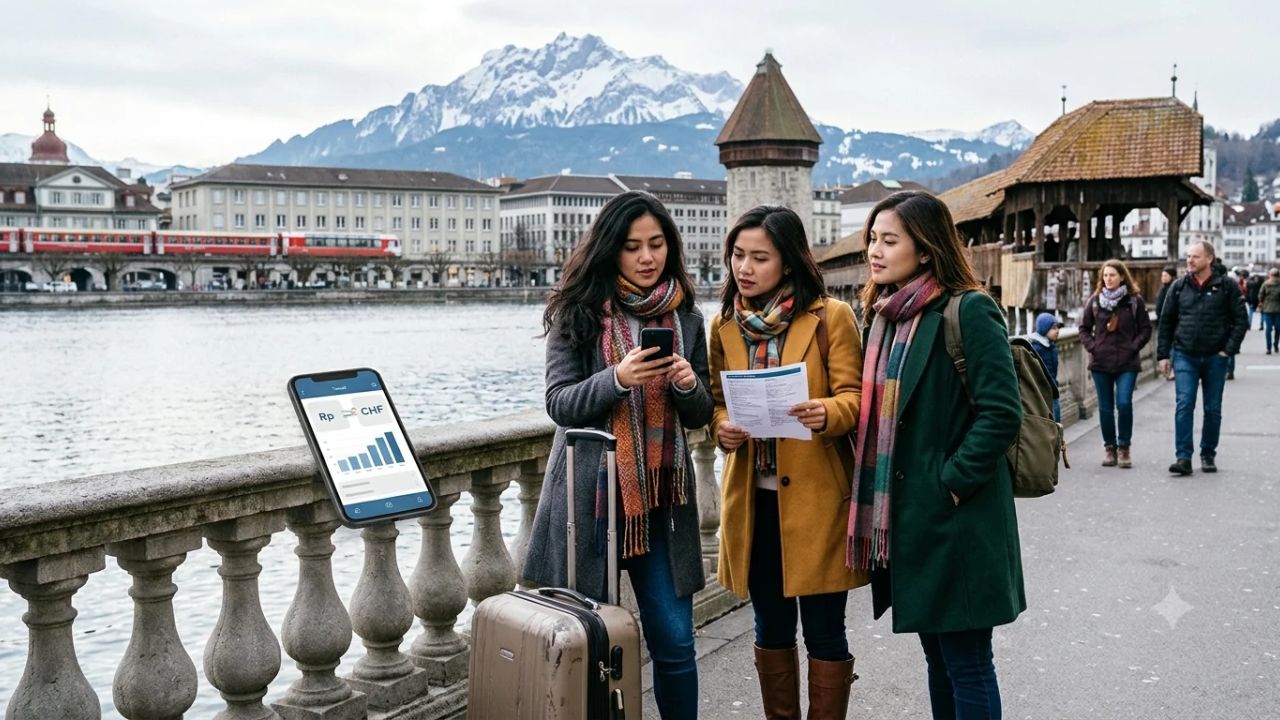
Switzerland and Global Destinations Suffer Sharp Tourism Contraction as Indonesian Rupiah Plunges to Multi-Year Lows
Paris, London, and Tokyo Lead Top Global Cities for American Business Travel Networking in 2026