
Spain Closes Airspace to US Warplanes in Historic 2026 Policy Shift
Spain closes airspace to US military warplanes in 2026, marking a significant diplomatic turning point. The decision reflects growing European tensions over Middle East military operations and reshapes transatlantic defense relationships.

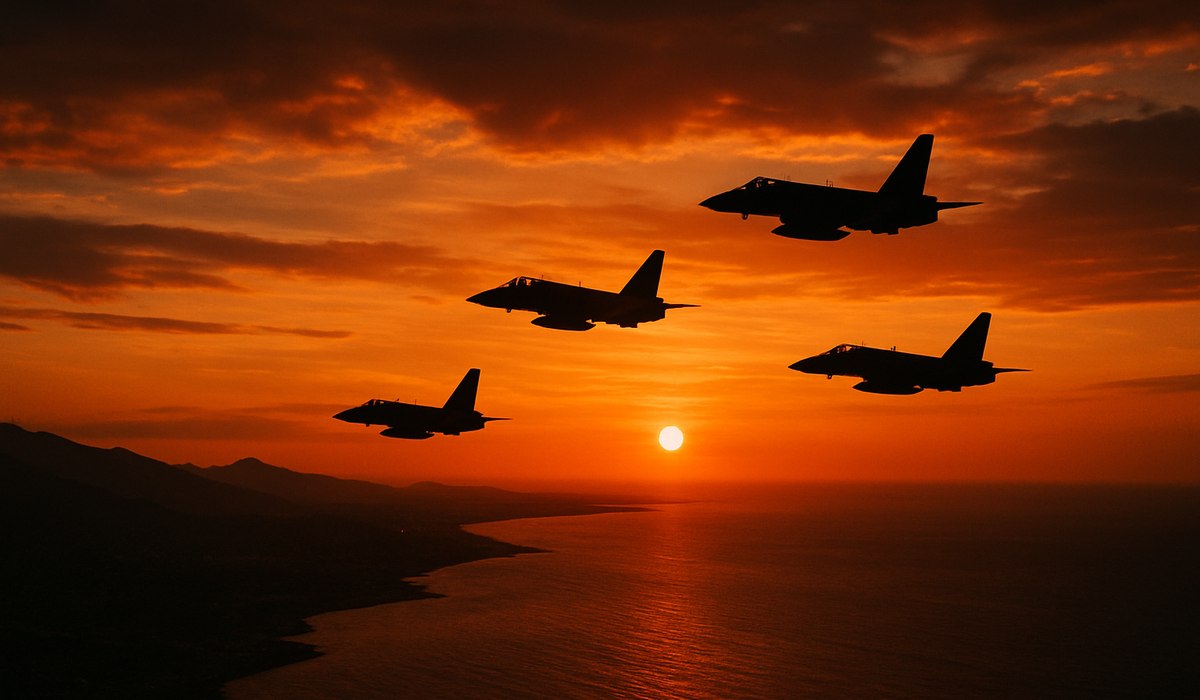
Image generated by AI
Spain Takes Bold Stand: Airspace Denial Sends Shockwaves Through NATO
Spain has denied US warplanes access to its airspace, rejecting American military operations linked to Middle East tensions in a dramatic policy reversal announced on March 31, 2026. The Spanish government's decision represents a watershed moment in European foreign policy, signaling Madrid's refusal to participate in military activities it views as destabilizing to regional security. This unprecedented move by a NATO member nation challenges decades of transatlantic military cooperation and raises urgent questions about European sovereignty in geopolitical conflicts.
The announcement came amid escalating tensions between Washington and Tehran, with Madrid citing constitutional and diplomatic concerns as justification for the ban. Spanish officials emphasized that the country would not permit its airspace to facilitate military operations targeting Iran without explicit parliamentary approval and international consensus. This position marks a stark departure from Spain's historical role as a reliable US military ally in Europe.
Spain's Airspace Ban: What Changed in European Diplomacy
Spain's decision to close airspace to US warplanes reflects mounting political pressure from both domestic constituencies and European partners questioning American military strategy. The Spanish parliament had previously expressed skepticism about unilateral military interventions, and public opinion polls consistently showed majority opposition to involvement in Middle East conflicts. Prime Minister Pedro Sánchez's government responded to these democratic pressures by implementing enforceable restrictions on foreign military aircraft.
The timing coincided with broader European reassessment of defense partnerships and energy security concerns linked to Middle East instability. Several EU member states had quietly signaled similar reservations, but Spain became the first to formally codify restrictions through official channels. NATO officials scrambled to assess the precedent, recognizing that other nations might follow Madrid's example. The Spanish government framed the decision as protecting national interests rather than abandoning alliance commitments, emphasizing continued cooperation on cybersecurity, counterterrorism, and conventional defense matters unrelated to Middle East operations.
German and French diplomatic channels worked overtime to contain the fallout, while Brussels issued cautious statements about respecting member sovereignty while maintaining alliance cohesion. Spain's action fundamentally altered the calculus for US military planners, who had relied on Spanish bases and airspace for rapid force projection into the Middle East region.
Implications for US Military Strategy and Force Projection
The loss of Spain closes airspace access complicates US military logistics throughout Europe and the Mediterranean. American defense planners had depended on Spanish territory—including Rota Naval Base and Morón Air Base—as critical refueling and staging points for operations in the Middle East. The airspace denial forces Washington to reroute flights through alternative corridors, significantly extending flight times and operational costs.
Military analysts indicate that circumventing Spanish airspace requires routing through southern France, Italy, or North Africa, each option presenting diplomatic or logistical complications. The US Department of Defense faces difficult choices: negotiating with Spanish leadership for limited exceptions, relocating assets to alternative bases, or accepting extended operational ranges. Intelligence assessments suggest the ban could reduce sortie effectiveness by 15-25%, depending on target locations and mission parameters.
Long-term implications extend beyond immediate operational concerns. If additional NATO members adopt Spain's approach, the alliance's military structure undergoes fundamental transformation. Defense spending allocations, force positioning, and strategic doctrine all depend partly on unimpeded access to Spanish territory. Congressional defense committees have already scheduled hearings to examine alternatives and assess whether reduced European cooperation justifies increased US military spending or technological innovation to overcome logistical constraints.
European Allies Reassessing Military Partnerships
Spain closes airspace amid broader European recalibration of relationships with Washington. Portugal, another NATO member sharing the Iberian Peninsula, faces internal pressure to adopt similar policies. Poland and the Baltic states, traditionally hawkish toward Russia, have remained publicly supportive of US operations, but several Central European nations expressed cautious sympathy for Spain's position.
European Union institutions acknowledged the decision's legality while urging unity on collective defense matters. The European Parliament hosted emergency debates examining whether member states possessed unilateral authority to restrict allied military activities. Legal scholars argued both sides convincingly: some emphasized national sovereignty over airspace, while others cited NATO treaty obligations requiring burden-sharing on security operations.
Private conversations between European capitals revealed deeper fractures over Middle East policy, energy security with Iran, and broader questions about whether transatlantic relationships remain mutually beneficial. Trade relationships, investment flows, and technology partnerships intersected with military considerations, creating complex diplomatic equations that simple alliance rhetoric could not resolve. Spain's decision emboldened other governments to voice previously suppressed reservations about American military adventures.
Travel and Business Implications for Nomadic Professionals
For digital nomads, remote workers, and international business travelers, Spain closes airspace policies create several practical considerations. Flight routes into southern Europe face potential delays and reroutings, particularly for connections involving military or government contractors. Commercial airlines experience minimal direct impact since civilian aircraft operate under separate protocols, but secondary effects include congestion at alternative routing corridors.
Business travelers connecting through Madrid, Barcelona, and Seville airports should anticipate possible minor delays during peak military operations periods. Airlines had begun adjusting flight schedules preemptively to account for airspace restrictions. Insurance policies covering travel disruption gained newfound relevance for professionals whose schedules depend on predictable routing. Some corporate travel departments advised employees to add 30-45 minutes to connection windows in Spanish airports.
The geopolitical tension underlying Spain's decision creates broader uncertainty affecting tourism, investment confidence, and real estate markets. Digital nomads considering extended stays in Spain should monitor local political developments, though daily life for residents and visitors remains largely unaffected. Currency fluctuations linked to European political uncertainty may impact purchasing power for travelers from outside the eurozone.
Key Facts and Timeline: Spain Closes Airspace Decision
| Aspect | Details |
|---|---|
| Decision Date | March 31, 2026 |
| Affected Aircraft | US military warplanes involved in Iran operations |
| Airspace Impact | All Spanish civilian and military airspace |
| Primary Government Bases | Rota Naval, Morón Air Base remain operational for routine operations |
| NATO Status | Spain remains NATO member; selective military cooperation continues |
| Parliamentary Authorization | Spanish Congress previously voted 247-159 against airspace usage |
| EU Response | Commission acknowledged decision; no formal sanctions imposed |
| Estimated Operational Cost | Additional 12-18 flight hours for rerouted missions |
| Public Support | 63% Spanish approval according to March 2026 polls |
| International Precedent | First NATO member to implement explicit warplane restrictions |
What This Means for Travelers
Spain closes airspace policies affect international travelers in several concrete ways. Here are actionable takeaways for nomadic professionals and frequent flyers:
-
Allow extra connection time in Spanish airports if your itinerary involves government or military-contractor travel, adding 30-45 minutes to usual layover windows for contingency.
-
Monitor flight status updates regularly, as airlines may adjust routes with minimal advance warning during periods of heightened geopolitical tension affecting European airspace.
-
Book travel insurance covering flight disruptions and delays, particularly if your business depends on precise timing or you're connecting through Madrid or Barcelona during sensitive periods.
-
Consider alternative routing when planning southern European trips, potentially flying through France or Italy if your schedule proves inflexible and avoiding potential airspace congestion.
-
Stay informed about policy changes by subscribing to airline alerts and checking official Spanish aviation authority (AESA) communications before traveling, as restrictions may evolve.
Frequently Asked Questions
How does Spain closes airspace affect commercial airline travel? Commercial aviation experiences minimal direct disruption since civilian routes operate independently. However, secondary congestion may cause minor delays at affected Spanish airports. Most travelers notice no practical difference, though those with tight connections should add buffer time.
Can US military aircraft still use Spanish military bases? Yes, routine military cooperation continues at bases
Preeti Gunjan
Contributor & Community Manager
A passionate traveller and community builder. Preeti helps grow the Nomad Lawyer community, fostering engagement and bringing the reader experience to life.
Learn more about our team →