
Southwest Airlines Boeing 737 Fleet Retrofit Adds Extra Legroom, Sparks Pricing Backlash
Southwest Airlines completed its Boeing 737 fleet retrofit in January 2026, adding extra legroom seating across all aircraft. The modernization sparked passenger controversy over newly introduced seat assignment fees and premium pricing for spacious seats.

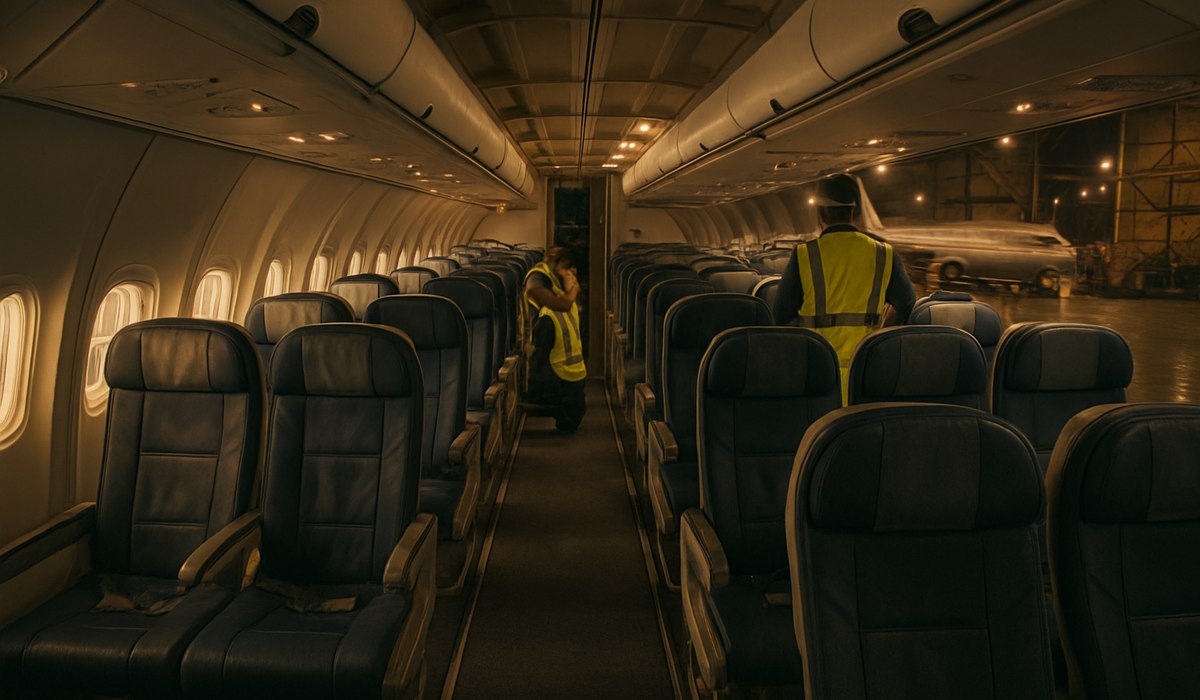
Image generated by AI
Southwest Airlines Completes Massive Boeing 737 Fleet Retrofit Initiative
Southwest Airlines finished a comprehensive cabin reconfiguration project across its entire Boeing 737 fleet in January 2026, introducing extra legroom seating to address long-standing passenger comfort demands. The carrier completed the ambitious modernization by retrofitting approximately 10 aircraft nightly during overnight maintenance windows. While the initiative marked a significant operational achievement in fleet modernization, the rollout generated substantial passenger pushback due to concurrent changes in Southwest's seating assignment policies and premium cabin pricing structures.
The retrofit initiative represented one of the largest single-fleet modernization efforts in commercial aviation. Southwest's decision to pair cabin improvements with new revenue-generating seat assignment fees created an unprecedented customer relations challenge for the traditionally customer-friendly carrier. This comprehensive examination explores the operational scope, passenger impact, and industry implications of the retrofit project.
The Overnight Retrofit Operation: Engineering the Boeing 737 Transformation
Southwest's engineering teams executed a sophisticated overnight retrofit operation that fundamentally reshaped cabin configurations across the Boeing 737 fleet. The carrier conducted approximately 10 aircraft modifications per night, strategically scheduling work during standard maintenance windows to minimize schedule disruptions. Each retrofit involved precise seat repitching—the process of adjusting the distance between seat rows—to accommodate the new extra legroom configuration.
The technical complexity of this undertaking required coordinated efforts between Southwest maintenance personnel, Boeing engineers, and cabin equipment suppliers. Teams worked systematically through the carrier's entire 737 fleet, methodically upgrading seating infrastructure while maintaining safety certifications and operational compliance. The January 2026 completion date marked the successful culmination of what industry observers called one of aviation's most ambitious single-carrier retrofit initiatives.
Overnight operations proved essential to the project's timeline. By concentrating modifications during off-peak operational hours, Southwest minimized impacts on daily flight schedules while accelerating project completion. The carrier's decision to retrofit 10 aircraft nightly demonstrated both logistical sophistication and commitment to rapid fleet modernization implementation.
Fleet-Wide Changes Across 737 Models and Cabin Configurations
The retrofit project affected Southwest's diverse Boeing 737 fleet, which included multiple variants ranging from the 737-700 through newer 737 MAX models. The 737-700 configuration proved most affected by the retrofit, as cabin repitching resulted in a net loss of several seat positions. This trade-off reflected Southwest's prioritization of passenger comfort metrics over pure capacity maximization—a strategic decision that aligned with evolving industry standards regarding legroom and seat pitch.
Each aircraft underwent identical cabin reconfiguration protocols, ensuring consistency across the fleet and simplifying crew training requirements. The standardized approach enabled passengers to experience comparable comfort levels across all Southwest Boeing aircraft, regardless of departure airport or flight time. The extra legroom sections became permanent cabin features, integrated into standard seating maps and reservation systems.
The 737 fleet retrofit also modernized cabin amenities beyond seating infrastructure. Updated upholstery, improved armrest designs, and enhanced accessibility features accompanied the legroom additions. These comprehensive upgrades positioned Southwest's aircraft as competitive offerings within the mid-range carrier segment, directly responding to customer complaints regarding seat comfort on transcontinental and high-utilization routes.
The Controversial Pricing Strategy: Seat Assignment Fees and Premium Legroom Surcharges
The retrofit project's most contentious element involved Southwest's simultaneous introduction of assigned seating and premium pricing mechanisms. Historically, Southwest operated an open-seating model where passengers selected available seats upon boarding—a customer-friendly policy that distinguished the carrier from competitors. The shift toward assigned seating represented a fundamental operational change that fundamentally altered Southwest's long-standing value proposition.
The carrier introduced tiered seating assignment structures that charged passengers for selecting preferred seats, including the newly retrofitted extra legroom positions. Early-bird check-in options, which previously guaranteed favorable boarding positions, now competed with premium seat assignment fees for generating ancillary revenue. This pricing restructuring generated immediate passenger backlash, with travel forums, social media platforms, and travel journalist outlets condemning the policy shift.
Consumer advocates highlighted the apparent disconnect between cabin modernization improvements and revenue extraction mechanisms. Many longtime Southwest passengers expressed frustration that comfort enhancements coincided with mandatory fees rather than representing complimentary quality-of-life improvements. The pricing strategy controversy overshadowed otherwise positive fleet modernization achievements, creating a narrative of commodification rather than customer benefit.
Industry analysts noted that Southwest's approach differed substantially from competitors who typically bundled legroom upgrades with premium cabin classes or higher fare buckets. Southwest's previous resistance to revenue-maximization strategies through seat selection had cultivated strong customer loyalty. The retrofit pricing model threatened this differentiation, positioning the carrier as increasingly aligned with traditional full-service carriers' ancillary revenue strategies.
Passenger Impact and Industry Response to Boeing Airlines Southwest Fleet Changes
The retrofit completion generated divided passenger reactions reflecting broader industry trends regarding airline transparency and value delivery. Frequent Southwest flyers expressed appreciation for improved legroom options, recognizing the genuine comfort benefits of cabin reconfiguration. However, casual passengers and cost-conscious travelers objected to the financial implications of accessing previously complimentary services.
Travel industry observers noted that the retrofit project coincided with broader airline industry evolution toward dynamic pricing, premium economy configurations, and ancillary revenue maximization. Southwest's Boeing 737 modernization fit within this industry-wide pattern, even as it contradicted the carrier's established brand positioning emphasizing customer-first policies and transparent pricing.
Safety and operational communities commended the retrofit project's flawless execution, which involved zero accident incidents across 10 nightly modifications. The operational excellence demonstrated Southwest's maintenance capabilities and technical competency. However, customer service metrics revealed increased complaint volume regarding reservation policies and seat assignment procedures following the retrofit implementation.
Industry competitors observed Southwest's retrofit approach closely, assessing potential applicability to their own fleet modernization initiatives. The project provided valuable case studies regarding overnight retrofit logistics, cost-benefit analyses of cabin reconfiguration, and ancillary revenue integration strategies. Several carriers subsequently announced similar retrofit plans incorporating passenger feedback regarding pricing transparency.
What This Means for Travelers: Actionable Guidance for Southwest Passengers
The Boeing 737 retrofit and accompanying policy changes require proactive passenger planning strategies:
1. Evaluate Your Seating Preferences: Assess whether extra legroom justifies premium seat assignment fees for your typical trip duration and comfort requirements.
2. Understand Pricing Structures: Familiarize yourself with Southwest's current seat assignment fees, early-bird check-in costs, and premium legroom surcharges before booking flights.
3. Book Advanced Check-In: Utilize early-bird or advance online check-in to maximize seat selection options without incurring premium assignment fees where policies permit.
4. Compare Fare Classes: Calculate total journey costs including mandatory and optional ancillary charges to determine actual ticket prices before purchase commitment.
5. Track Promotional Periods: Monitor Southwest's promotional calendars for temporary seat assignment fee waivers or legroom upgrade specials.
6. Use Flight Tracking Tools: Visit FlightAware to identify specific aircraft assignments on your flights, enabling informed decisions regarding expected cabin configurations.
7. Document Service Issues: Maintain records of service problems or disputes regarding seating assignments for potential resolution through US DOT consumer complaint procedures.
8. Verify Current Policies: Before each booking, confirm current pricing policies directly with Southwest, as ancillary fee structures remain subject to modification.
Key Data: Southwest Boeing 737 Retrofit Project Specifications
| Metric | Details |
|---|---|
| Project Completion Date | January 2026 |
| Daily Retrofit Capacity | Approximately 10 aircraft per night |
| Fleet Coverage | Entire Southwest Boeing 737 fleet |
| Affected Aircraft Models |
Disclaimer
This article is for informational and educational purposes only. It does not constitute legal, financial, or professional advice. While we strive to provide accurate and up-to-date information, travel policies, regulations, and conditions change rapidly. Always verify information with official sources before making travel decisions. Nomad Lawyer makes no representations about the accuracy, reliability, completeness, or suitability of the information provided. Readers should consult qualified professionals for advice specific to their circumstances. The views expressed in this article are those of the author and do not necessarily reflect the views of Nomad Lawyer.
Kunal K Choudhary
Co-Founder & Contributor
A passionate traveller and tech enthusiast. Kunal contributes to the vision and growth of Nomad Lawyer, bringing fresh perspectives and driving the community forward.
Learn more about our team →