
Southwest Airlines AWS Migration and AI Integration Will Reshape Global Aviation by 2028
Southwest Airlines is spearheading a massive cloud migration to AWS with AI integration, fundamentally transforming airline operations, passenger experiences, and aviation infrastructure by 2028.

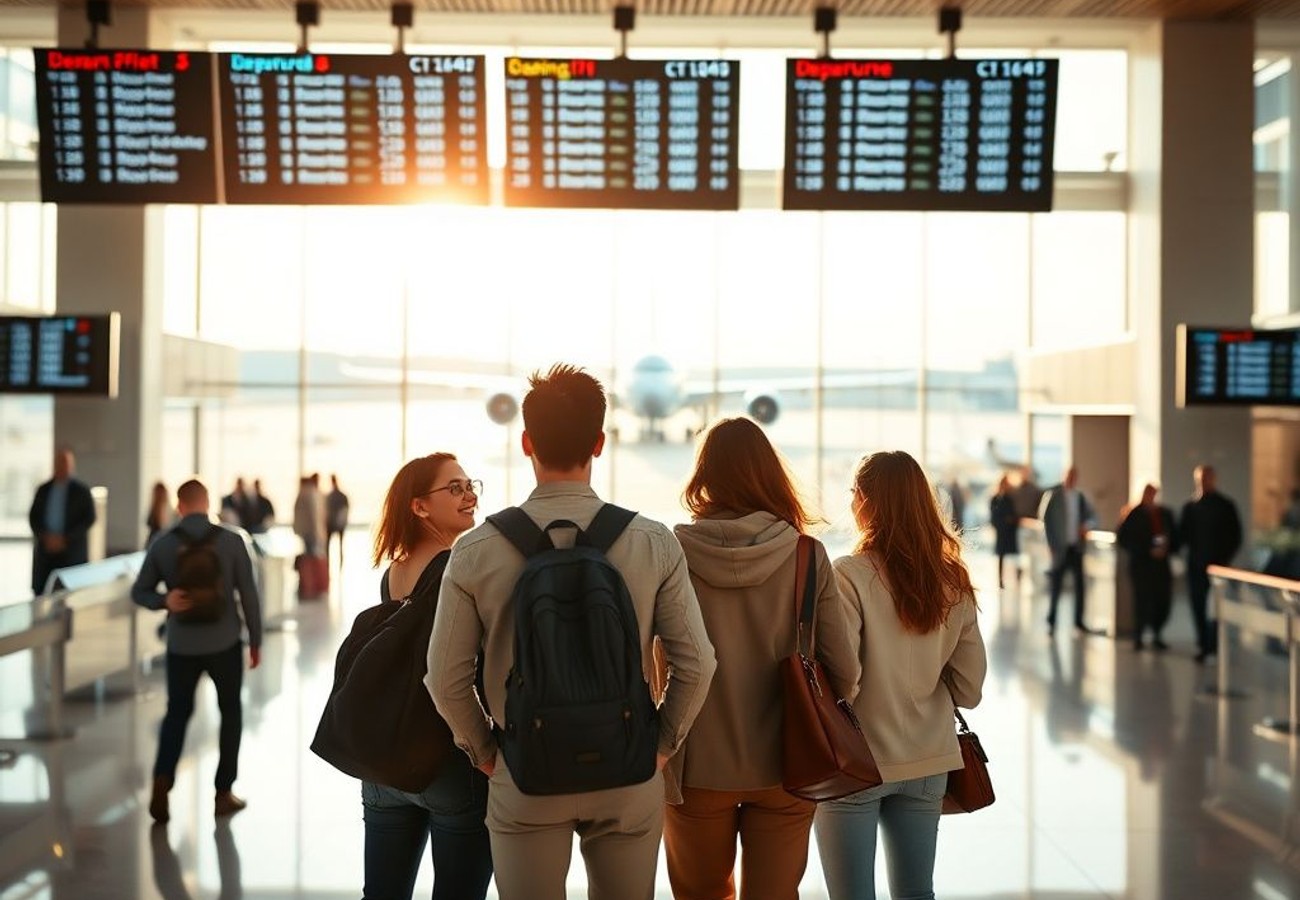
Image generated by AI
Southwest Airlines Triggers Aviation's Digital Revolution With AWS and AI
Southwest Airlines just ignited one of the most significant technological pivots in modern aviation history. The Dallas-based carrier is undertaking a complete digital migration to Amazon Web Services (AWS) infrastructure, powered by advanced artificial intelligence systems—a transformation expected to be fully operational by 2028. This isn't incremental. This is wholesale architectural reformation.
What we're witnessing is the systematic dismantling of legacy airline IT systems in favour of cloud-native ecosystems. Traditional on-premise servers, rigid operational frameworks, and isolated data silos are being replaced with scalable, adaptive digital infrastructure. The implications ripple across every segment of air travel: operations, passenger touchpoints, maintenance protocols, and network management.
Reddit: "If Southwest pulls this off, every other major airline will be forced to follow. This is the industry reset everyone's been waiting for." — r/aviation
The Cloud Architecture Reshaping Airline Operations
The migration to AWS represents a fundamental reimagining of how airlines process data and manage operations. Southwest's infrastructure is transitioning from localized, hardware-dependent systems to distributed cloud architecture with real-time data replication and automated backup protocols. This shift eliminates critical vulnerabilities that have historically plagued the aviation sector.
Cloud-based systems provide what traditional infrastructure cannot: instantaneous scalability. During peak travel seasons, Southwest's systems can dynamically expand capacity without capital investment in physical hardware. During quieter periods, those resources scale down automatically, reducing operational waste. This elasticity directly translates to cost efficiency and operational flexibility.
The reliability improvements are equally dramatic. Distributed cloud networks mean no single point of failure. If one data centre experiences disruption, operations automatically shift to redundant systems across geographically dispersed locations. For an airline managing thousands of daily flights, this architectural change is transformative.
According to AWS's enterprise migration playbook, carriers implementing similar transitions report 40-60% reductions in IT infrastructure costs and 35-45% improvements in system uptime rates within 18 months of completion.
Artificial Intelligence: The Operational Intelligence Layer
The AI component isn't decorative. Artificial intelligence is being embedded across three critical operational layers: passenger-facing systems, predictive analytics, and maintenance protocols.
Customer interaction systems are being rebuilt with AI-driven chatbots and virtual assistants capable of processing complex travel queries faster than human agents. These systems provide real-time fare comparisons, itinerary optimization, and personalized travel recommendations. When a passenger asks about flight alternatives during unexpected disruptions, the AI doesn't consult a database—it synthesizes real-time data across the entire Southwest network and delivers optimal solutions in seconds.
Predictive analytics represents the game-changing layer. Machine learning models analyze historical flight delays, weather patterns, maintenance cycles, and passenger flow dynamics to anticipate disruptions before they occur. If a model predicts a likely maintenance issue 72 hours before it manifests, Southwest can schedule repairs proactively, preventing cascading cancellations. If algorithms forecast a delay-prone weather system, the airline can preposition aircraft and crews strategically.
This is why operational resilience improves so dramatically: Southwest transitions from reactive problem-solving to predictive intervention.
Redefining the Passenger Journey Through Data Intelligence
The passenger experience is undergoing parallel transformation. Southwest's new digital-first ecosystem prioritizes seamless, personalized travel journeys.
Booking systems powered by AI analyze passenger preferences, travel history, and behavioural patterns to suggest optimized itineraries before users formally search. Mobile applications push real-time alerts about gate changes, boarding updates, and potential disruptions. Loyalty programme engagement becomes hyper-targeted—rewards reflect individual preferences rather than generic tier-based offers.
At airport terminals, this transformation becomes tangible. Automated check-in kiosks with biometric integration accelerate processing. AI-enabled baggage tracking systems eliminate the opacity that historically frustrates travellers. Airport wayfinding apps guide passengers through terminals in real time, accounting for construction, congestion, and security checkpoint delays. The result: measurably reduced stress and improved satisfaction metrics.
The passenger no longer experiences air travel as a series of disconnected moments (booking, check-in, security, boarding, arrival). Instead, it's a seamlessly orchestrated journey where the airline anticipates needs and eliminates friction proactively.
Network Optimization and Environmental Performance
Beyond passenger experience, Southwest's AWS-AI integration optimizes network-wide efficiency through algorithmic route planning. Machine learning models evaluate fuel consumption across potential flight paths, incorporating real-time weather data, aircraft maintenance states, and passenger demand forecasts.
The outcome: incremental improvements in route efficiency that compound to substantial fuel savings and reduced carbon emissions across the entire fleet. A 2-3% improvement in fuel efficiency annually translates to millions in operational cost reductions and meaningful environmental impact.
This optimization extends to crew scheduling, maintenance planning, and airport resource allocation. Every component of Southwest's operation becomes data-informed rather than rule-based.
The Broader Industry Transformation
Southwest's transformation isn't isolated. According to aviation industry analyst projections, carrier adoption of cloud infrastructure and AI systems is accelerating globally. Airlines understand that the carriers implementing these technologies first gain competitive advantages in operational efficiency, customer satisfaction, and cost management that widen over time.
By 2028, the aviation sector expects to operate within a digitized ecosystem where predictive intelligence, cloud scalability, and automation are embedded into daily operations. Southwest positions itself as an early mover—a benchmark for how legacy carriers successfully navigate digital transformation at scale.
The implications extend beyond Southwest. This migration signals that the era of airline IT infrastructure built on 20th-century paradigms has ended. The industry is collectively pivoting toward 21st-century digital foundations.
The aviation industry's transformation just entered overdrive—and Southwest is writing the playbook.
Related Travel Guides
Disclaimer
This article is for informational and educational purposes only. It does not constitute legal, financial, or professional advice. While we strive to provide accurate and up-to-date information, travel policies, regulations, and conditions change rapidly. Always verify information with official sources before making travel decisions. Nomad Lawyer makes no representations about the accuracy, reliability, completeness, or suitability of the information provided. Readers should consult qualified professionals for advice specific to their circumstances. The views expressed in this article are those of the author and do not necessarily reflect the views of Nomad Lawyer.
Preeti Gunjan
Contributor & Community Manager
A passionate traveller and community builder. Preeti helps grow the Nomad Lawyer community, fostering engagement and bringing the reader experience to life.
Learn more about our team →