
Southern Europe Drought 2026: France, Spain, Greece, and Italy Implement Emergency Water Rationing
Southern Europe faces a historic water crisis as a persistent heat dome triggers emergency rationing and hotel pool bans across France, Spain, Greece, and Italy.

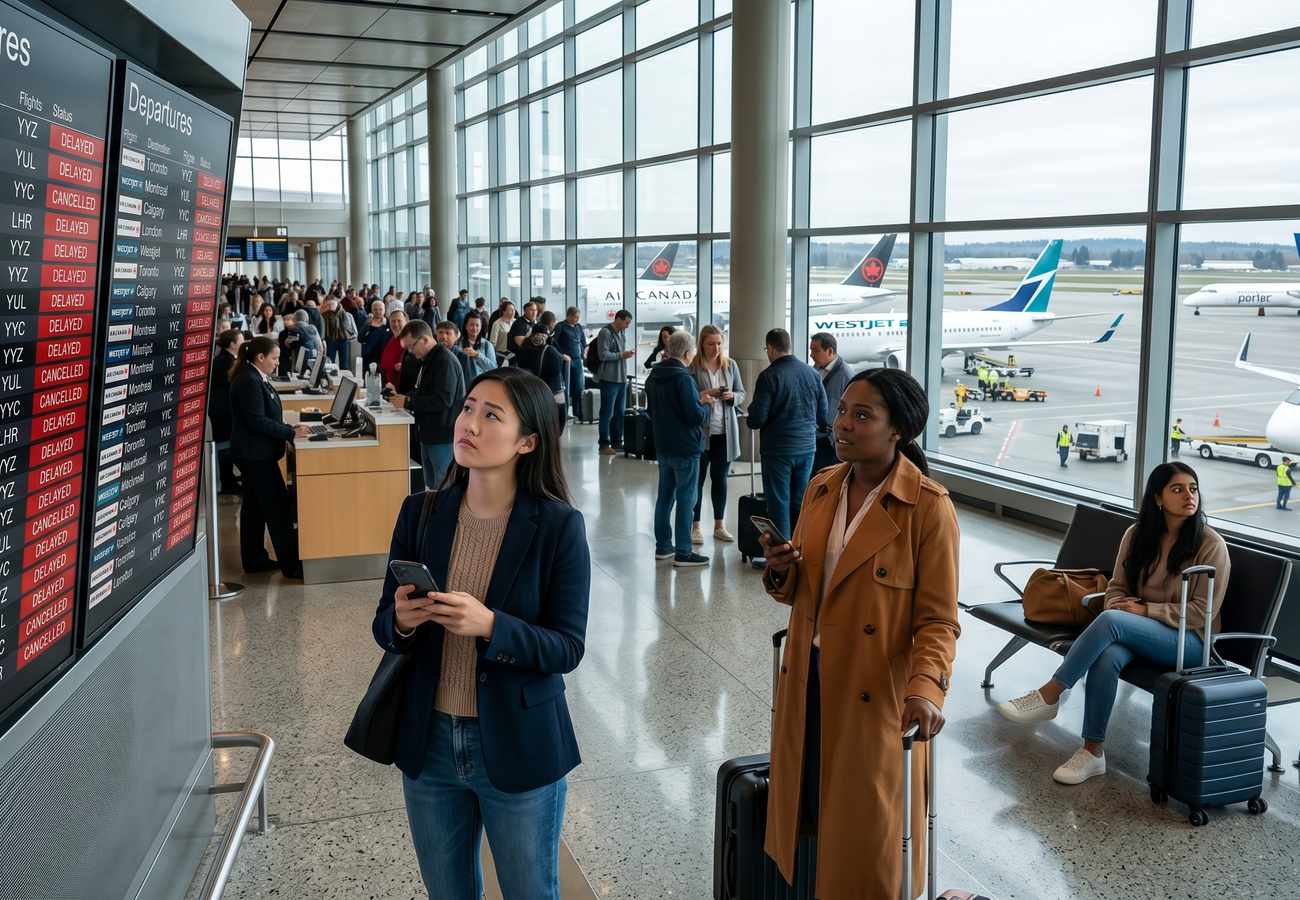
Image generated by AI
A powerful atmospheric "heat dome" has settled over Southern Europe, triggering a severe environmental crisis that is fundamentally altering the 2026 summer travel season. With temperatures consistently surpassing 40 degrees Celsius, governments in France, Spain, Greece, and Italy have moved beyond local warnings to implement coordinated emergency water conservation frameworks.
The convergence of record-breaking heat and depleted reservoirs has created a precarious situation where the demands of millions of peak-season tourists are clashing with the basic survival needs of local populations. This systemic failure of water infrastructure is forcing a rapid evolution in how the Mediterranean hospitality sector operates.
France Activates Nationwide Water Restrictions
France has deployed one of the most aggressive conservation strategies in the region, utilizing the VigiEau platform to track and manage dwindling supplies. The scale of the crisis is evident in the data: 84 of the 96 mainland departments have at least one commune under official tap-water restrictions. When agricultural limitations are included, this number climbs to 92 departments.
To manage this, the government is using a four-tier alert system:
- Vigilance: Initial monitoring and awareness.
- Alert: Early-stage restrictions on non-essential use.
- Heightened Alert: Stricter limits on water usage.
- Crisis: A total ban on virtually all non-essential water consumption.
In the most severe "crisis" zones, the situation has deteriorated to the point where municipal grids have failed, necessitating the delivery of drinking water via tankers and bottled supplies. These restrictions have extended beyond households, impacting commercial data centers and major sporting events, including specific stages of the Tour de France.
Spain's Balancing Act: Water Quotas and Climate Refuges
Spain is currently navigating a prolonged drought intensified by the 2026 heat dome. Rather than implementing blanket bans that would devastate the tourism economy, Spanish authorities are utilizing a targeted quota system.
In Catalonia, baseline consumption guidelines are triggered when municipalities miss conservation targets. Under these rules, hotel guests in severely affected areas may be limited to an indicative allocation of approximately 100 liters of water per person per day.
The management of swimming pools has become a central point of tension and innovation. Spain has introduced the concept of "climate refuges," allowing specific hotel and public pools to remain open to protect citizens and tourists from lethal heat. However, this privilege is conditional; operators must implement water-recycling technologies and minimize all leakage to maintain their operational status.
Beyond water scarcity, Spain is battling an early and aggressive wildfire season. The combination of desiccated vegetation and extreme heat has forced thousands of evacuations and required the deployment of European Civil Protection aircraft.
Greece Shifts to Seawater Infrastructure
Greece is implementing a radical infrastructure shift to preserve its dwindling freshwater reserves, particularly on the islands. After two years of minimal rainfall, the Greek Ministry of Tourism has supported legislation requiring coastal hotels to transition their swimming pools from freshwater to treated seawater.
This move is a direct attempt to decouple the luxury demands of the hospitality industry from the essential drinking water needs of the local population. By pumping treated seawater into pools, the government aims to ensure that freshwater is reserved exclusively for domestic consumption.
Regional Impact Summary: 2026 Water Crisis
The following table outlines the specific emergency measures currently in effect across the most affected Mediterranean nations.
| Country | Primary Trigger | Key Emergency Measure | Impact on Tourism |
|---|---|---|---|
| France | Heat Dome / Reservoir Depletion | 4-Tier Alert System (VigiEau) | Non-essential water bans; tanker-delivered water in rural areas. |
| Spain | Prolonged Drought / Wildfires | Daily Guest Quotas (approx. 100L) | "Climate Refuge" pool status; strict recycling requirements. |
| Greece | Multi-year Rainfall Deficit | Seawater Pool Transition | Mandatory shift from freshwater to treated seawater in coastal hotels. |
| Italy | Extreme Heat / Water Stress | Emergency Rationing | Coordinated conservation frameworks and municipal restrictions. |
Key Takeaways for Travelers and Operators
- Resource Prioritization: Governments are now prioritizing human consumption and emergency services over tourism amenities.
- Infrastructure Adaptation: The shift toward seawater pools in Greece and recycling tech in Spain signals a permanent change in Mediterranean hotel design.
- Operational Risks: Wildfires and extreme heat are no longer occasional disruptions but central factors in travel planning, affecting road access and air quality.
- Regulatory Compliance: Hotels are now subject to strict municipal quotas, meaning "unlimited" water use is effectively over in high-risk zones.
The 2026 crisis marks a turning point where the Mediterranean's tourism model must either adapt to climate volatility or face systemic collapse.
Related Travel Guides
Disclaimer
This article is for informational and educational purposes only. It does not constitute legal, financial, or professional advice. While we strive to provide accurate and up-to-date information, travel policies, regulations, and conditions change rapidly. Always verify information with official sources before making travel decisions. Nomad Lawyer makes no representations about the accuracy, reliability, completeness, or suitability of the information provided. Readers should consult qualified professionals for advice specific to their circumstances. The views expressed in this article are those of the author and do not necessarily reflect the views of Nomad Lawyer.
Raushan Kumar
Founder & Lead Developer
Full-stack developer with 11+ years of experience and a passionate traveller. Raushan built Nomad Lawyer from the ground up with a vision to create the best travel and law experience on the web.
Learn more about our team →