
Iceland and Nordic Regions Lead 2026 Coolcation Boom as Extreme Heat Shifts European Tourism
Rising European temperatures are driving a global 'coolcation' trend in 2026, with Iceland seeing a 47% surge in summer bookings as travellers abandon heat-stricken Mediterranean hubs for Northern Europe.

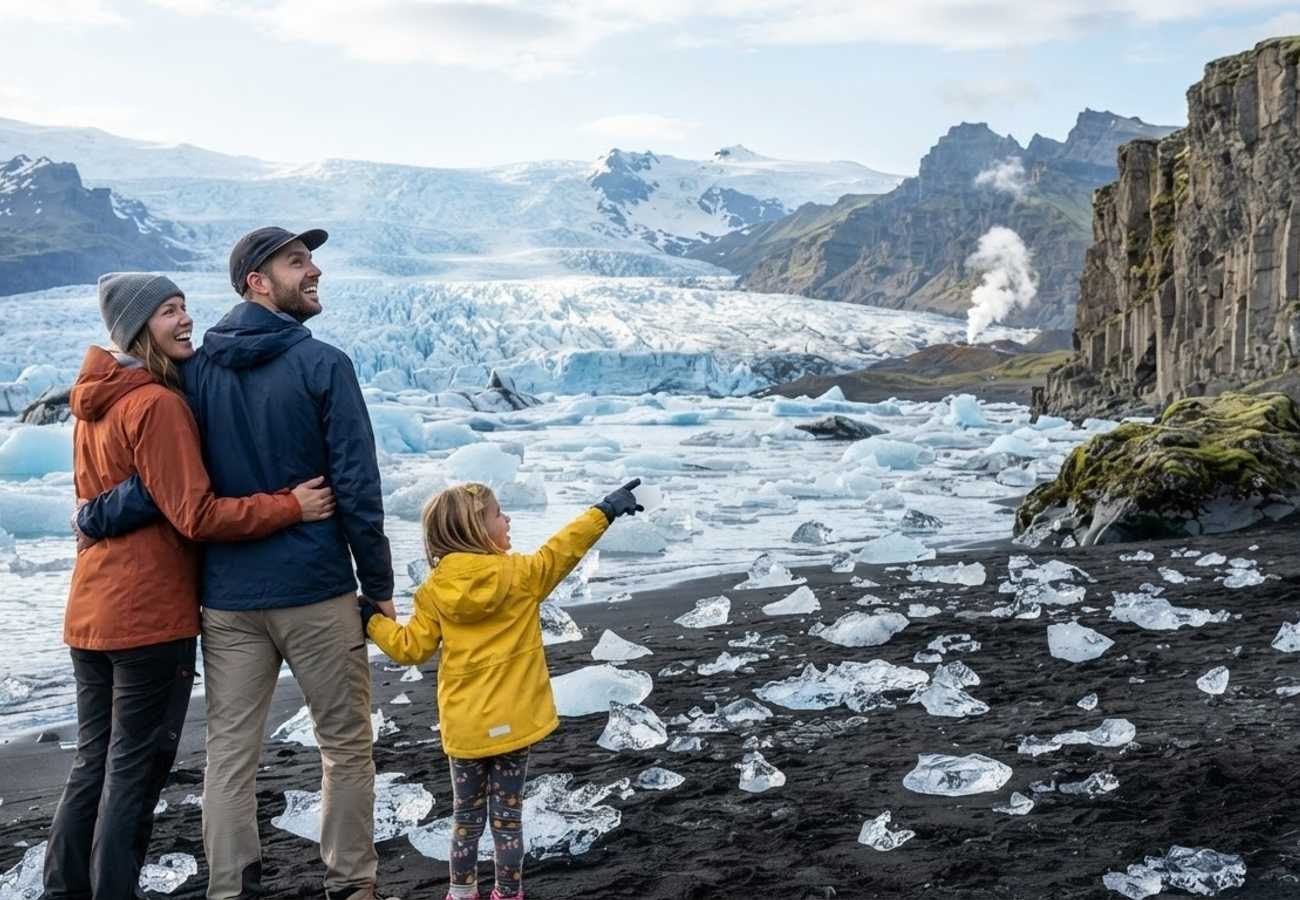
Image generated by AI
Extreme summer temperatures across Southern Europe are triggering a fundamental shift in global tourism patterns. Travelers are increasingly prioritizing "climate comfort," leading to a surge in demand for Northern Europe, the Alpine regions, and high-latitude destinations.
The 2026 summer season marks the rise of the "coolcation"—a travel trend where holidaymakers intentionally seek milder climates to avoid the dangerous heatwaves now common in traditional Mediterranean hotspots. This movement is transforming the economic landscape for Nordic countries and mountain retreats.
Northern Europe: The New Summer Powerhouse
Iceland has emerged as the primary beneficiary of this shift. While not yet in the top ten most booked global destinations by total volume, the country has seen a massive spike in relative demand.
- Booking Growth: Iceland recorded a booking increase of up to 47% compared to the previous year.
- Growth Drivers: Expansion of European air connectivity and a rising appetite for adventure tourism.
- Primary Attractions: Glaciers, geothermal landscapes, and volcanic coastlines are replacing beach resorts as the preferred summer aesthetic.
Norway and Finland are seeing similar trajectories. Norway is leveraging its fjords and coastal landscapes to attract those seeking nature-based exploration without the risk of heat exhaustion. Finland is positioning itself as a hub for "slow travel" and wellness, utilizing its vast forests and national parks to attract visitors focused on emotional wellbeing and relaxation.
Alpine and Atlantic Alternatives
The trend extends beyond the Nordic circle into the Alps and the British Isles. Switzerland continues to see strong demand for its high-altitude retreats, where the air remains crisp even during peak July and August periods.
Market data indicates that Swiss travellers are less price-sensitive regarding this climate shift. Average daily accommodation rates in Switzerland have reached approximately 381 USD, yet demand remains robust as visitors prioritize thermal comfort over cost.
In the Atlantic region, the United Kingdom—specifically Scotland—and Ireland are seeing increased interest. Their moderate summer conditions make them viable alternatives for those avoiding the intense heat of the south.
Global Reach: Long-Haul "Coolcations"
The shift is not limited to Europe. Canada has become a dominant long-haul winner, attracting global travelers to its wilderness and national parks. This growth is further amplified by major international sporting events, which have increased the country's visibility. New Zealand is also seeing a rise in interest as a Southern Hemisphere alternative for those seeking a cooler summer experience.
Summary of Regional Impacts
| Region/Country | Primary Appeal | Key Growth Metric / Detail |
|---|---|---|
| Iceland | Glaciers & Volcanoes | 47% increase in summer bookings |
| Switzerland | Alpine Altitudes | Avg. daily hotel rate: 381 USD |
| Norway | Fjords & Coastal Nature | Shift toward nature-based exploration |
| Finland | Forests & Wellness | Focus on "slow travel" and wellbeing |
| Canada | Vast Wilderness | Major long-haul beneficiary |
| UK/Ireland | Atlantic Climate | Strong growth in Scottish Highlands |
Why This Matters: The Industry Implication
This shift represents more than a temporary preference; it is a structural realignment of the tourism industry driven by climate volatility. For decades, the Mediterranean "Sun and Sea" model was the undisputed king of European summer travel. The 2026 data suggests a transition toward a "Climate-First" booking model.
Industry observers note that "climate comfort" is now a primary decision driver, rivaling price and destination prestige. This creates a significant opportunity for Northern destinations to invest in infrastructure and sustainable tourism models to handle the influx. However, it also warns of a potential "overtourism" crisis in previously quiet Nordic regions, which may struggle to scale their hospitality sectors as quickly as demand rises.
Forward Outlook
Expect a permanent diversification of summer portfolios among global travel agencies. We will likely see a surge in "hybrid" itineraries—where travelers combine a short city break in a warm hub with a longer stay in a cool-climate region. Furthermore, the high willingness to pay for cooler climates, as seen in Switzerland, suggests that "thermal comfort" will become a premium luxury commodity in the travel market.
The era of the Mediterranean monopoly on summer tourism is fading as the world moves North.
Related Travel Guides
Disclaimer
This article is for informational and educational purposes only. It does not constitute legal, financial, or professional advice. While we strive to provide accurate and up-to-date information, travel policies, regulations, and conditions change rapidly. Always verify information with official sources before making travel decisions. Nomad Lawyer makes no representations about the accuracy, reliability, completeness, or suitability of the information provided. Readers should consult qualified professionals for advice specific to their circumstances. The views expressed in this article are those of the author and do not necessarily reflect the views of Nomad Lawyer.
Preeti Gunjan
Contributor & Community Manager
A passionate traveller and community builder. Preeti helps grow the Nomad Lawyer community, fostering engagement and bringing the reader experience to life.
Learn more about our team →