South Korea Travel Costs 2027: Seoul vs Busan Weekly Budget Comparison and Price Guide

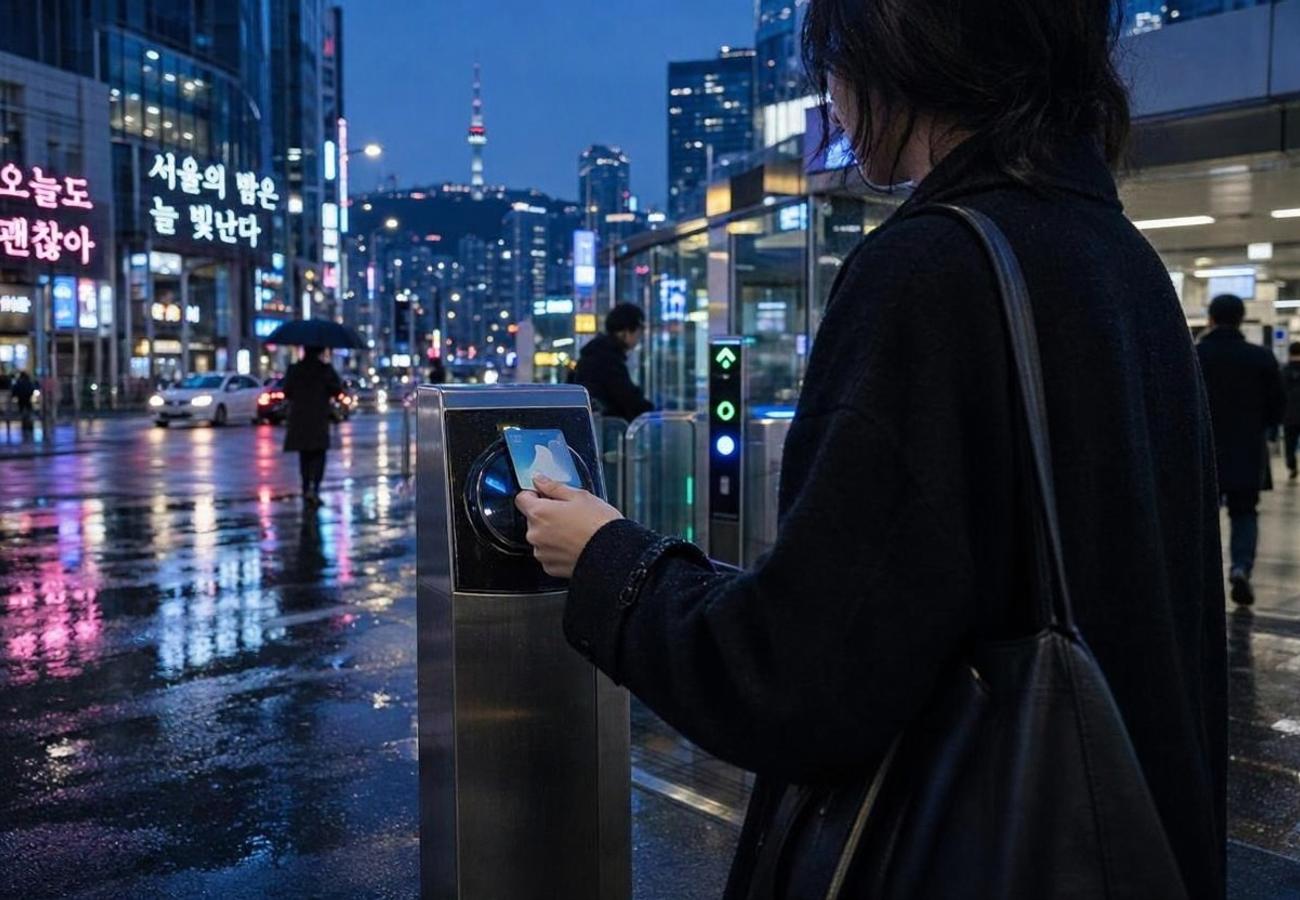
Image generated by AI
[Seoul, November 17, 2026] — Travelers planning visits to South Korea in 2027 face a pricing environment defined by increased attraction fees, adjusted KTX rail fares, and sustained high demand in primary urban hubs. Recent data indicates that while Busan remains a more affordable alternative for lodging, seasonal spikes during cherry blossom and autumn foliage windows can equalize costs across both major cities.
The following projections are based on late 2026 pricing evidence and published 2027 regulatory updates. These figures provide a concrete framework for budgeting seven-day itineraries in Seoul and Busan, accounting for varying travel styles from budget backpacking to luxury family tours.
The Cost of Entry: Weekly Budget Tiers
Budgeting for South Korea in 2027 requires a tiered approach based on accommodation preferences and dining habits. The most significant variable remains the choice between dormitory-style housing and mid-to-high-range hotels.
| Traveler Profile | Weekly Budget (KRW) | Primary Lodging Type | Key Spending Drivers |
|---|---|---|---|
| Solo Backpacker | 420,000 – 600,000 | Mixed Dorms (22k–38k/night) | Convenience store meals, public transit |
| Midrange Couple | 1,000,000 – 1,500,000 | 3-Star Hotels (90k–160k/night) | Sit-down meals, central districts |
| High-End Traveler | 1,300,000 – 2,000,000 | 4-Star Hotels / Prebooked Tours | Lotte World Tower, KTX, luxury stays |
| Family (2 Adults, 1-2 Kids) | 2,000,000 – 3,500,000 | Family Rooms (160k–260k/night) | Larger meals, taxi use, attraction tickets |
Neighborhood Price Variance: Seoul vs Busan
Accommodation costs are driven more by neighborhood prestige and proximity to transit than by the city itself. In Seoul, the Korea Tourism Organization highlights the importance of district selection for both cost and convenience.
Seoul District Breakdown
- Myeongdong: The most expensive hub due to Line 2 and 4 access. Standard doubles range from 110,000 to 180,000 won, often exceeding 200,000 won during peak cherry blossom season (late March to early April).
- Hongdae: Offers a youthful atmosphere with slightly lower weekday rates between 90,000 and 150,000 won.
- Jongno: A mix of traditional hanoks (under 120,000 won in low season) and modern hotels, with prices peaking during autumn foliage.
- Gangnam: The premium business district, with 4-star hotels typically quoting 180,000 to 260,000 won.
Busan District Breakdown
- Seomyeon: The primary value hub and transport interchange. Modern doubles frequently range from 70,000 to 130,000 won.
- Nampo: Midrange doubles generally stay under 130,000 won, though harbor-view rooms command a premium.
- Haeundae & Gwangalli: These beach districts see the most volatility. A sea-view room may cost 130,000 won in March but jump to over 250,000 won on July Saturdays.
What This Means for Travelers
For the average tourist, the "cheaper" hotel is often a mathematical trap. Choosing a budget guesthouse far from the city center can increase daily spending through repeated subway distance surcharges and extended commute times.
Passenger Impact Assessment:
- Transit Efficiency: Paying a premium of 20,000 to 40,000 won per night to stay near Seoul Station or Myeongdong typically offsets the cost of multiple daily transfers and reduces reliance on taxis.
- Taxi Costs: Base taxi fares start near 4,800 won, but late-evening surcharges can quickly inflate a budget if lodging is not centrally located.
- Booking Windows: Travelers must book Haeundae (Busan) or Myeongdong (Seoul) hotels at least 3-6 months in advance for peak 2027 dates to avoid the 50% to 100% price surges seen during national holidays.
Urban Mobility and Airport Logistics
Transit in both cities relies heavily on the T-money card system, which is interchangeable between Seoul and Busan.
Local Transit Costs
- Seoul Subway: Base fares are approximately 1,550 won for the first 10km, with 100 won increments thereafter. Cash payments incur a 100 won surcharge per ride.
- Busan Metro: Card fares begin between 1,400 and 1,500 won.
- Daily Average: Most sightseers should budget 4,000 to 6,000 won per day for basic rail and bus travel.
Airport Transfer Options
Travelers arriving via Incheon International Airport (ICN) have three primary options:
- All-Stop Rail: Under 5,000 won to Seoul Station (approx. 60 minutes).
- Express Train: Roughly double the cost of the all-stop service.
- Limousine Bus: Prices in the low tens of thousands of won, targeting districts like Gangnam.
In Busan, the light rail from Gimhae International Airport to the metro costs roughly 2,000 won, while taxis to central hubs range from 15,000 to 25,000 won.
FAQ: South Korea Budgets 2027
Is Busan cheaper than Seoul for a one-week trip? Generally, yes. Accommodation in hubs like Seomyeon is significantly lower than in Myeongdong or Gangnam. However, during the peak summer beach season, Haeundae prices can exceed Seoul's midrange rates.
Which transport card should I buy? The T-money card is the gold standard. It works on subways and buses in both Seoul and Busan, allowing you to maintain a single balance across both cities.
How much should I budget for food daily? Budget travelers can survive on 15,000–25,000 won using convenience stores and street food. Midrange travelers should budget 40,000–70,000 won to include one sit-down restaurant meal and cafe visits.
Are there unlimited transit passes for tourists? Seoul offers a "Climate Card" for unlimited use, but it is designed for monthly residents. For one-week trips, standard T-money tapping is usually more cost-effective than daily passes.
Plan for the peaks, book the hubs, and keep your T-money topped up.
Related Travel Guides
This article is for informational purposes. Flight routes, passenger regulations, visa rules, and transit advisories are subject to change by airlines and aviation authorities. Readers are advised to verify schedules and travel documentation with relevant carriers and border agencies before departure.
Related Stories

Georgia Travel Budget 2027: 7-Day Logistics and Cost Breakdown for Tbilisi, Kazbegi and Kakheti

Taiwan Budget Guide 2027: Cost Analysis for Taipei, Hualien, and Kaohsiung Travel