
South Korea Tourism Unlocks Amazing Cultural Adventures For Global Travellers
South Korea Tourism Unlocks Amazing Cultural Adventures For Global Travellers

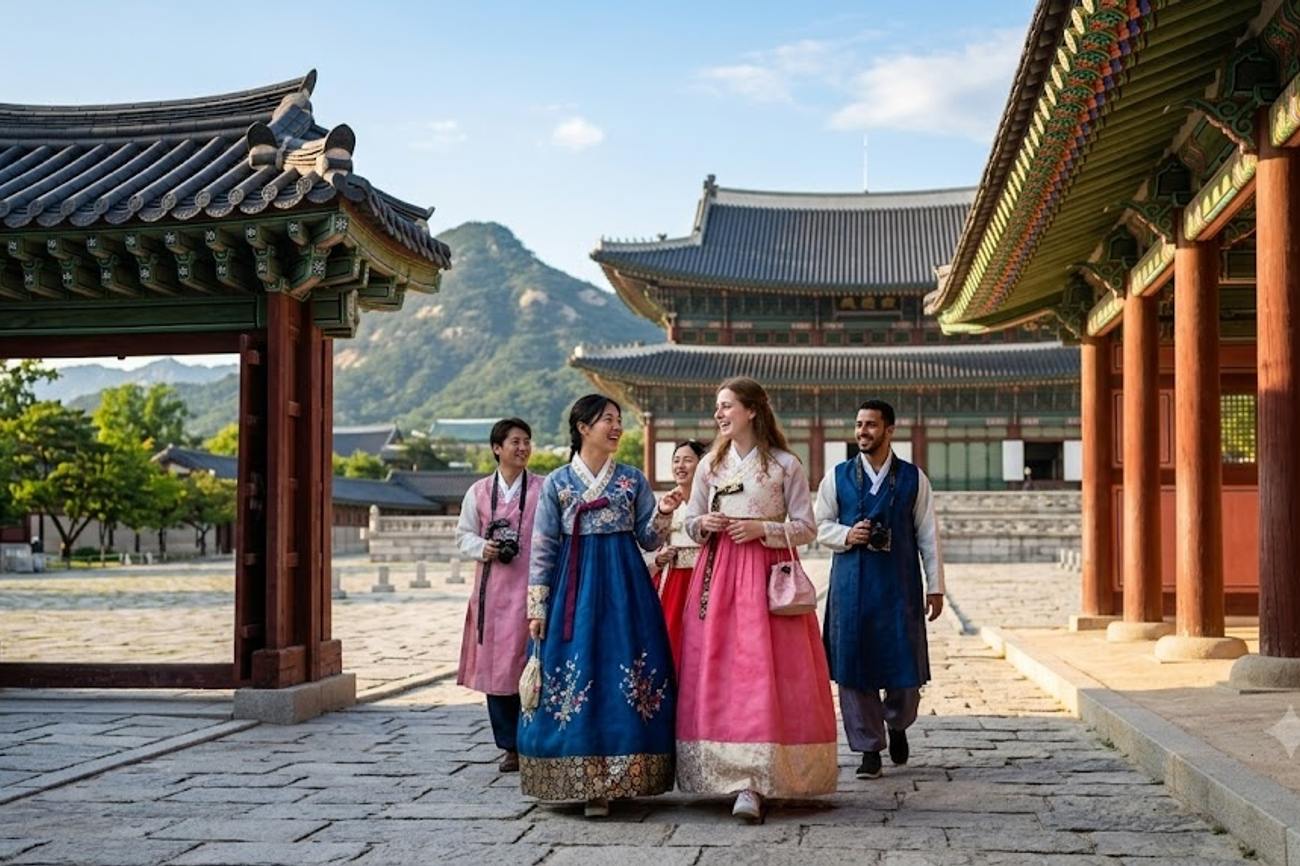
Image generated by AI
While most visitors flock to the neon lights of Myeong-dong, the Ministry of Culture, Sports and Tourism has curated a specific list of 100 Must-Visit Tourist Spots designed to pull travelers away from the crowds and into the quiet corners of the peninsula. This initiative by the Korea Tourism Organization (KTO) marks a shift in how the country manages its image, moving from a focus on "K-pop hubs" toward a more holistic representation of regional identity and ancestral heritage.
The Shift Toward Regional Dispersion
For years, the international narrative of South Korea was dominated by the skyline of Seoul. However, the current tourism strategy is aggressively pivoting toward regionalism. The KTO is no longer just promoting the capital; they are leveraging digital infrastructure to push visitors toward the coastal serenity of the south and the rugged peaks of the east. This isn't just about spreading the economic benefit of tourism; it is an attempt to preserve the authenticity of smaller provinces before they are overtaken by mass commercialization.
The integration of "smart tourism" is the engine driving this change. The introduction of tools like Trip.PASS—a rechargeable, all-in-one card—removes the friction that previously kept tourists in the English-speaking bubbles of Seoul. By consolidating public transport, taxi fares, identity verification, and payments into a single digital interface, the government is effectively lowering the barrier for foreigners to navigate rural bus networks and remote villages.
What Makes South Korea Different
The visceral appeal of Korea lies in its "compressed modernity." You can stand in the center of a Joseon Dynasty palace, surrounded by architecture that has survived centuries of upheaval, and look up to see a glass skyscraper reflecting the clouds. This isn't a curated theme park experience; it is the lived reality of the Korean people.
The Five Royal Palaces in Seoul serve as the primary anchor for this experience. These sites are not merely museums but active cultural spaces where the rigid hierarchy of the royal court is still felt in the symmetry of the gardens and the precision of the rooflines. For those seeking a deeper connection, the practice of wearing Hanbok (traditional dress) has evolved from a tourist gimmick into a cultural bridge. Many palaces offer free or discounted entry to those wearing the attire, encouraging a slow, mindful engagement with the surroundings.
Beyond the urban centers, the geography offers a stark contrast. The peninsula is dominated by mountainous terrain, creating a culture of hiking and mountain spirituality that permeates everything from the local diet to the architecture of remote temples. This connection to nature is balanced by a global leadership in technology, creating a travel environment where you can use a high-speed 5G network to find a 500-year-old temple tucked into a cedar forest.
Visitor Insider Tips
To experience Korea beyond the brochure, you must understand the local rhythms.
Timing Your Visits: If you are visiting the royal palaces or N Seoul Tower, arrive at the gates 20 minutes before opening. The midday rush is intense, but the early morning light on the palace eaves is far more photogenic and peaceful. For regional travel, aim for the "shoulder seasons" of late September to early November. The autumn foliage is a national obsession, and the mountains become the center of social life.
Navigating the City: Forget Google Maps for walking directions; it is notoriously unreliable in Korea due to security laws. Instead, download Naver Map or KakaoMap. These are the gold standards for local navigation and will give you precise exit numbers for the subway, which is essential given that some stations have over a dozen exits.
Etiquette and Social Norms: When visiting traditional markets or temples, remember that modesty is valued. While the cities are fashion-forward, rural areas are more conservative. Additionally, when receiving a business card or a gift, always use both hands. This small gesture of respect is noticed and appreciated by locals.
Dining Like a Local: Avoid the restaurants with English menus printed in giant fonts on the street. Look for "Kisa Sikdang" (driver's restaurants). These are humble spots traditionally frequented by taxi drivers, offering hearty, authentic home-style meals at a fraction of the price of tourist cafes.
Transport Hacks: For those venturing outside Seoul, the KTX (Korea Train Express) is the most efficient way to move. However, for a more immersive experience, use the regional buses. Combine this with a Visit Korea digital pass to streamline your payments and avoid the hassle of carrying excessive cash.
Cultural and Environmental Context
The surge in "K-culture" tourism—driven by music, cinema, and skincare—has created a complex dynamic within local communities. While the economic influx is welcome, there is a palpable tension between the "Instagrammable" version of Korea and the reality of its aging rural populations. The KTO's push toward the "100 Must-Visit Spots" is a strategic attempt to ensure that tourism supports the preservation of UNESCO World Heritage sites rather than eroding them.
Environmentally, the country is grappling with the impact of mass visitation on its national parks. The "leave no trace" philosophy is being heavily promoted to international visitors to protect the endemic flora and fauna of the mountainous regions. There is also a growing movement toward "slow travel," encouraging visitors to stay in traditional Hanok villages for multiple nights rather than treating them as quick photo stops. This shift helps sustain local artisans and prevents the "museumification" of living neighborhoods.
FAQ: Visiting South Korea 2025
What is the best time to visit? Spring (April to June) for cherry blossoms and autumn (September to November) for vibrant foliage are the peak periods. Winter is ideal for skiing and visiting the coastal regions of Gangwon-do.
Do I need a visa? Many nationalities can enter via the K-ETA (Korea Electronic Travel Authorization). Check the official government portal before booking, as requirements vary by passport.
How do I get there from major hubs? Most international travelers arrive via Incheon International Airport (ICN). From there, the AREX (Airport Railroad Express) is the fastest way to reach Seoul Station in the city center.
Is it safe for solo travelers? South Korea is one of the safest destinations globally for solo travelers, including women. Public transport is reliable, and the 1330 Korea Travel Helpline provides 24/7 multilingual support for any emergencies.
Leave the neon lights behind for a while; the real soul of the peninsula is found in the silence of a mountain temple at dawn.
#SeoulTravel2025 #VisitKorea #KCultureTour #KoreanHeritage #SouthKoreaRegionalTravel
Related Travel Guides
- Grenada Radiates Incredible Autumn Magic As St. George’s And Gouyave Welcome Cold Weather Travel Seekers, Find Out Now
- Dubai Unveils Powerful 80km Fourth Corridor To Transform Travel With 60% Faster Journeys Across UAE
- Egypt And Sweden Travel Connect As Egyptair Launches New Cairo Stockholm Route This Winter
Disclaimer
This article is for informational and educational purposes only. It does not constitute legal, financial, or professional advice. While we strive to provide accurate and up-to-date information, travel policies, regulations, and conditions change rapidly. Always verify information with official sources before making travel decisions. Nomad Lawyer makes no representations about the accuracy, reliability, completeness, or suitability of the information provided. Readers should consult qualified professionals for advice specific to their circumstances. The views expressed in this article are those of the author and do not necessarily reflect the views of Nomad Lawyer.
Preeti Gunjan
Contributor & Community Manager
A passionate traveller and community builder. Preeti helps grow the Nomad Lawyer community, fostering engagement and bringing the reader experience to life.
Learn more about our team →