
South Korea Tourism Hits 17.11 Million Visitors in 2026: Logistics Guide for Inbound Travel
South Korea recorded 17.11 million international arrivals by September 2026, driven by a 29.2% surge in Chinese visitors and expanded regional airport access.

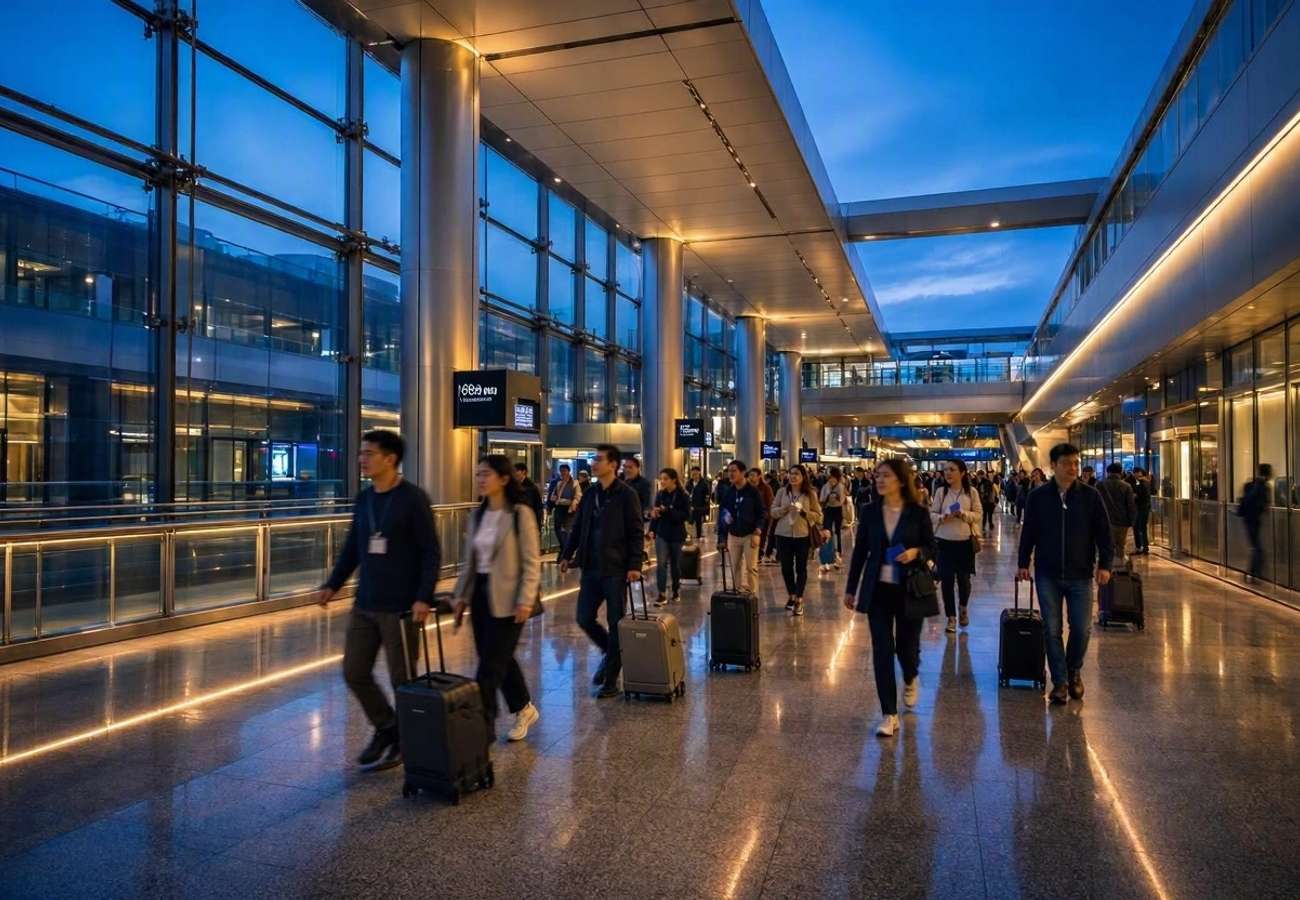
Image generated by AI
Planning a trip to South Korea in late 2026? With international arrivals hitting 17.11 million by September, you need to account for increased congestion at primary gateways and a shift toward regional entry points.
Record-Breaking Inbound Volume
South Korea is on the verge of shattering its 2025 tourism records. Between January and September 2026, the country welcomed 17.11 million foreign visitors, marking a 21.5% increase over the same period in 2025. To put this in perspective, the country has already reached 90.3% of its total 2025 volume (18.94 million) with three months still remaining in the calendar year.
The surge is not just about volume; it is about spending and distribution. Tourism-related card spending jumped by 47.7% in the first nine months of 2026. More importantly for the frequent traveler, arrivals are no longer concentrated solely in Seoul. There is a documented increase in passengers utilizing regional airports and seaports, suggesting that the infrastructure for non-capital city entries is now more viable for international nomads.
Arrival Statistics and Market Growth
The growth is heavily fueled by Northeast Asian markets, though long-haul arrivals from Europe and the Americas remain steady. September 2026 alone saw 2.06 million arrivals, a 21.1% year-on-year increase.
| Market/Metric | Visitors (Jan–Sept 2026) | Year-on-Year Change | Market Share |
|---|---|---|---|
| China | 5.47 million | +29.2% | ~32% |
| Japan | 3.12 million | +16.9% | ~18% |
| Taiwan | 1.86 million | +32.4% | ~11% |
| Americas | 1.62 million | Not specified | ~9% |
| Europe | 1.19 million | Not specified | ~7% |
| Total Arrivals | 17.11 million | +21.5% | 100% |
Traveler Logistics Guide
With the current volume of 2.06 million monthly arrivals, the "standard" way of entering South Korea is becoming more crowded. Here is how to optimize your transit.
1. Entry Requirements and Digital Clearance Most non-visa exempt travelers must apply for the K-ETA (Korea Electronic Travel Authorization). Given the 21.5% increase in traffic, do not leave this until the last minute. Processing times can fluctuate during peak months like September and October. Ensure your passport is valid for at least six months beyond your intended stay.
2. Airport Strategy: Incheon vs. Regional Hubs While Incheon International Airport remains the primary gateway, the 2026 data shows a shift toward regional airports. If your itinerary includes Busan, Daegu, or Jeju, consider flying directly into these hubs to bypass the congestion of the Seoul metropolitan area. Use the Korea Airports Corporation (KAC) website to check real-time flight schedules for regional terminals.
3. Ground Transport and Connectivity With card spending up 47.7%, South Korea has further digitized its transit payments.
- T-Money/Cashbee: These remain the gold standard for buses and subways.
- AREX (Airport Railroad Express): For those landing at Incheon, the express train to Seoul Station is the fastest route, but pre-booking tickets via the app is recommended during high-volume periods.
- KORAIL: For regional travel, use the KORAIL booking system to secure KTX seats, especially when traveling from Seoul to Busan or Gyeongju.
4. Customs and Baggage With record-breaking visitor numbers, customs queues at Incheon can extend. Use the digital customs declaration system to speed up your exit from the arrivals hall.
Regional Connectivity Impact
The diversification of entry points is reshaping how travelers experience the peninsula. The growth in arrivals via seaports and regional airports indicates that the "Seoul-centric" model is fading. For the logistics-minded traveler, this means more flexibility in "open-jaw" tickets—flying into Incheon and departing from Gimhae (Busan) or Jeju.
This shift is particularly evident for travelers from Taiwan and China, who are increasingly utilizing short-haul regional flights. This reduces the pressure on the capital's infrastructure and allows for more efficient transit to the southern provinces.
FAQ: South Korea Transit 2026
Do I need a visa or K-ETA for South Korea in 2026? Depending on your nationality, you likely need either a visa or a K-ETA. Check the official K-ETA portal before booking. Most visa-exempt travelers must secure their electronic authorization at least 72 hours before departure.
Which is the fastest way to get from Incheon Airport to Seoul? The AREX Express Train is the most efficient option, taking approximately 43 to 51 minutes to reach Seoul Station. Avoid taxis during peak arrival windows (morning/early afternoon) due to highway congestion.
Are regional airports a viable alternative to Incheon? Yes. 2026 data shows a significant increase in regional airport usage. Flying into Busan (Gimhae) or Jeju can save hours of transit time if your destination is outside of Seoul.
Can I use international credit cards for all transport? While card spending is up 47.7%, many local buses and small taxis still prefer T-Money cards or cash. Always carry a topped-up T-Money card for seamless urban transit.
Plan for the crowds, but leverage the regional hubs to find a quieter path into the peninsula.
Related Travel Guides
Disclaimer
This article is for informational and educational purposes only. It does not constitute legal, financial, or professional advice. While we strive to provide accurate and up-to-date information, travel policies, regulations, and conditions change rapidly. Always verify information with official sources before making travel decisions. Nomad Lawyer makes no representations about the accuracy, reliability, completeness, or suitability of the information provided. Readers should consult qualified professionals for advice specific to their circumstances. The views expressed in this article are those of the author and do not necessarily reflect the views of Nomad Lawyer.
Kunal K Choudhary
Co-Founder & Contributor
A passionate traveller and tech enthusiast. Kunal contributes to the vision and growth of Nomad Lawyer, bringing fresh perspectives and driving the community forward.
Learn more about our team →