
South Korea and China Lead Malaysia Homestay Tourism Surge as 2026 Source Markets Expand
South Korea and China have emerged as the primary drivers of Malaysia's Homestay Experience Programme in 2026, signaling a massive shift toward community-based and cultural tourism across Asia.

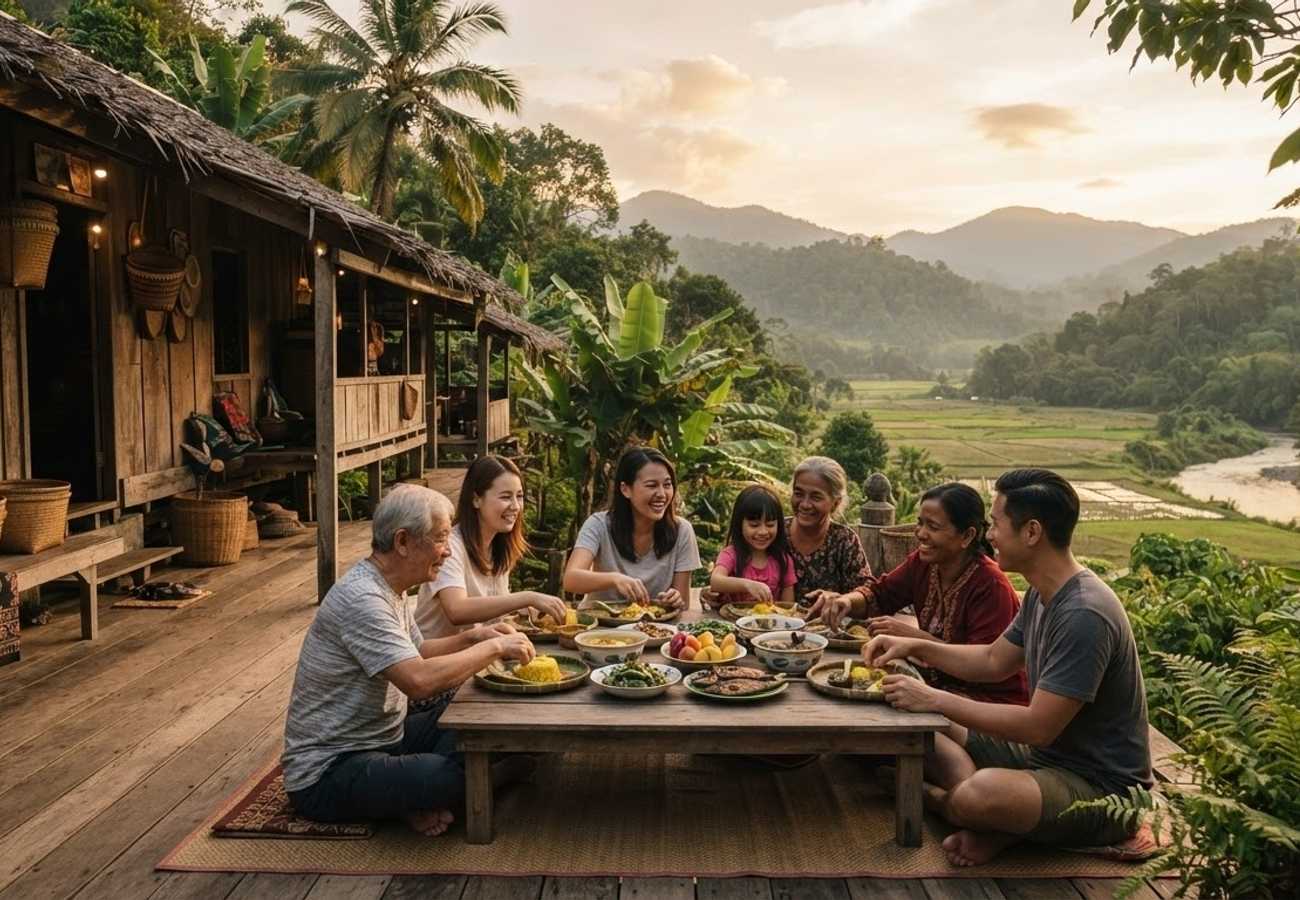
Image generated by AI
South Korea and China are now the primary engines driving Malaysia's rural tourism economy, with 2026 data showing a decisive shift toward immersive, community-led travel experiences over traditional hotel stays.
The Malaysia Homestay Experience Programme (PPHM) is witnessing a significant transformation as international travelers move away from city-centric itineraries. This evolution is characterized by a growing demand for authentic engagement with rural lifestyles, indigenous heritage, and local traditions.
Northeast Asian Markets Dominate 2026 Arrivals
Recent data from the first five months of 2026 reveals a tight race for the top source market position. South Korea has secured the lead, narrowly outpacing China in the pursuit of authentic cultural immersion.
Between January and May 2026, South Korean visitors recorded 6,783 arrivals, while China followed closely with 6,750 visitors. This marginal difference of only 33 travelers underscores the nearly equal demand from these two powerhouse markets. Japan remains a steady third, contributing 2,822 arrivals in the same period.
The preference for PPHM reflects a broader regional trend where travelers seek "Information Gain" through direct interaction with local communities rather than passive sightseeing.
Comparative Performance of Leading Source Markets
The following data tracks the trajectory of the top three Asian markets, comparing full-year 2025 figures with the initial performance of 2026.
| Market | 2025 Total Visitors | Jan–May 2026 Visitors | 2026 Market Position |
|---|---|---|---|
| South Korea | 25,250 | 6,783 | 1st |
| China | 24,074 | 6,750 | 2nd |
| Japan | 5,813 | 2,822 | 3rd |
Sector-Wide Recovery and Financial Impact
The Homestay Experience Programme is showing robust momentum following a record-breaking 2025. The first half of 2026 has already seen nearly 400,000 visitors engaging with rural Malaysian communities.
From January to June 2026, the programme registered 399,624 total visitors. While domestic tourism remains the primary engine of growth, the international segment is providing critical diversification for rural operators.
Half-Year Revenue and Volume Analysis
| Indicator | 2025 (Full Year) | Jan–Jun 2026 |
|---|---|---|
| Total PPHM Visitors | 977,666 | 399,624 |
| Total Income | RM62.40 million | RM28.29 million |
| Foreign Visitors | 90,907 | 28,260 |
| Domestic Visitors | 886,759 | 371,364 |
Sabah Emerges as the Premier Homestay Destination
While Northeast Asian countries provide the visitors, the state of Sabah has established itself as the primary destination. Sabah's dominance is attributed to its unique blend of biodiversity, indigenous culture, and nature-based tourism.
Between January and May 2026, Sabah attracted 19,244 foreign PPHM visitors, dwarfing other popular states like Penang and Sarawak. This concentration of visitors suggests that international travelers are specifically seeking the rugged, authentic experiences found in East Malaysia.
Foreign Arrival Distribution by State (Jan–May 2026)
- Sabah: 19,244 visitors
- Penang: 2,246 visitors
- Sarawak: 2,030 visitors
Strategic Implications for Sustainable Tourism
The surge in homestay demand is redistributing tourism wealth. By moving visitors out of urban hubs and into villages, Malaysia is reducing the pressure on city infrastructure while injecting capital directly into rural households.
This shift is not merely about accommodation; it is a strategic pivot toward a "lifestyle product." The integration of local food traditions, agricultural experiences, and heritage crafts ensures that tourism supports the preservation of culture rather than its commercialization.
The transition from luxury resorts to village porches marks a new era of intentional travel in Southeast Asia.
Key Takeaways
- Market Leadership: South Korea (6,783) and China (6,750) are the top two international source markets for Malaysian homestays in early 2026.
- Financial Growth: The PPHM generated RM28.29 million in the first half of 2026 alone.
- Regional Hotspot: Sabah is the undisputed leader for foreign homestay arrivals, recording 19,244 visitors.
- Visitor Volume: Total PPHM visitors reached 399,624 between January and June 2026.
FAQ
What is the PPHM? The PPHM (Homestay Experience Programme) is a Malaysian initiative that allows international and domestic tourists to live with local families in rural areas to experience authentic Malaysian culture and heritage.
Which state is most popular for international homestays? Sabah is currently the leading destination, attracting significantly more foreign visitors than Penang or Sarawak.
Why are South Korean and Chinese travelers choosing homestays? There is a growing trend toward "slow travel" and cultural immersion, where travelers prefer engaging with local communities over traditional hotel-based vacations.
Related Travel Guides
Disclaimer
This article is for informational and educational purposes only. It does not constitute legal, financial, or professional advice. While we strive to provide accurate and up-to-date information, travel policies, regulations, and conditions change rapidly. Always verify information with official sources before making travel decisions. Nomad Lawyer makes no representations about the accuracy, reliability, completeness, or suitability of the information provided. Readers should consult qualified professionals for advice specific to their circumstances. The views expressed in this article are those of the author and do not necessarily reflect the views of Nomad Lawyer.
Raushan Kumar
Founder & Lead Developer
Full-stack developer with 11+ years of experience and a passionate traveller. Raushan built Nomad Lawyer from the ground up with a vision to create the best travel and law experience on the web.
Learn more about our team →