
These Are the Best Times to Go on a Safari, According to Top Travel Advisors (2026 Guide)

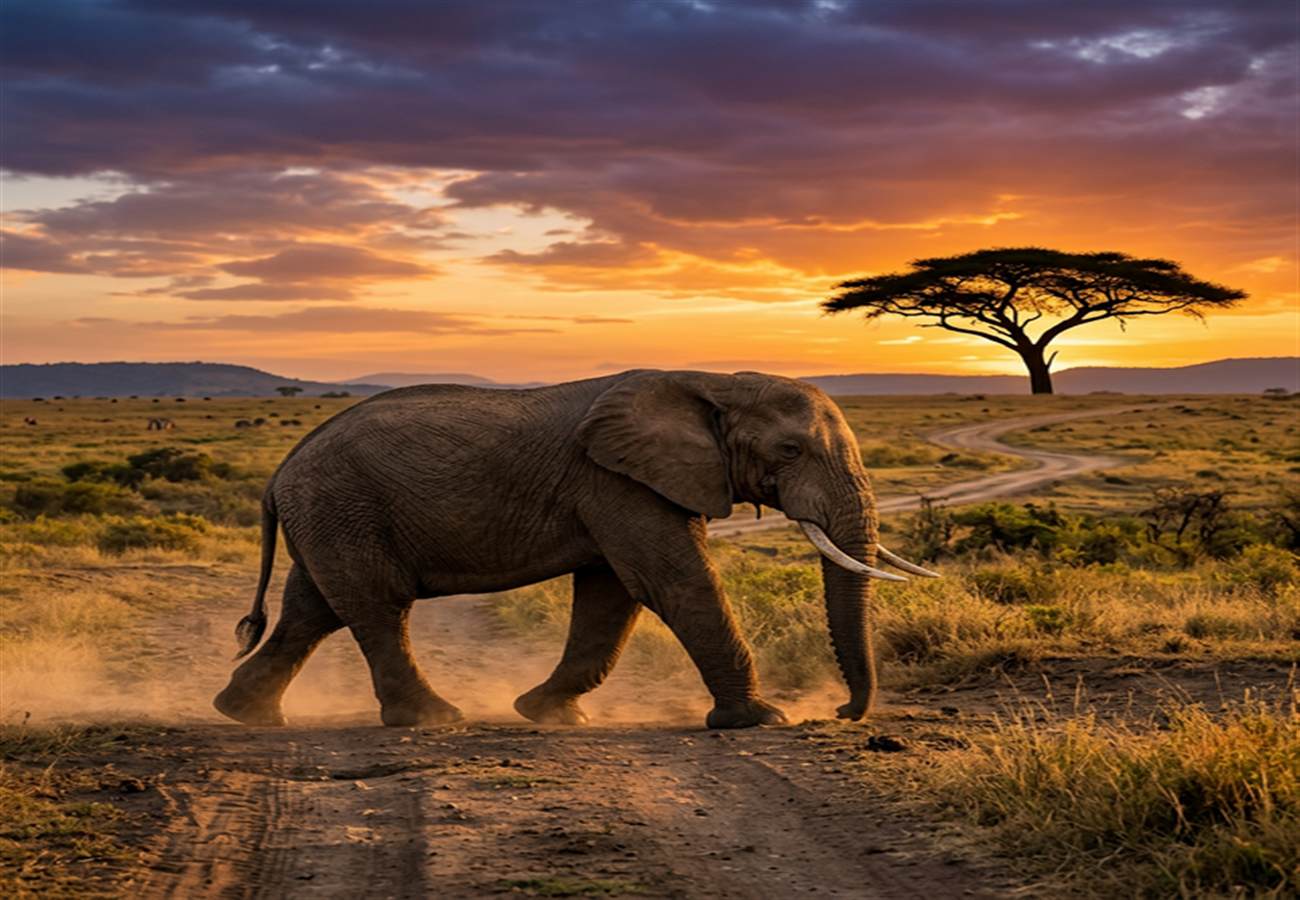
Image generated with AI
The African safari is the ultimate "once-in-a-lifetime" trip, but in 2026, it has become more complex than ever. With global travel demand returning to pre-pandemic peaks and a new focus on eco-conscious, low-impact tourism, the "best" time to visit the continent is no longer just about the weather—it’s about strategy.
If you book during the wrong week, you might find yourself sharing a lion sighting with forty other Land Cruisers. If you book during the right week, you could witness the greatest natural spectacle on earth in near-solitude. To help you navigate the nuances of the 2026 safari seasons, we’ve synthesized the latest "insider" advice from r/AfricaSafari, the seasoned experts on Quora, and high-end travel advisors on Pinterest. Here is the definitive guide to timing your 2026 safari.
1. The "Big Event" Window: July to September (East Africa)
For most first-timers, the goal is the Great Migration. This is the movement of over 1.5 million wildebeest and zebra from the Serengeti in Tanzania to the Masai Mara in Kenya.
Peak River Crossings (August–September 2026): The most dramatic moment of the migration is the crossing of the Mara River.
- The Prediction: In 2026, the peak crossing window is expected to be between August 5 and September 5. This is when the herds are most concentrated in the northern Serengeti and the Masai Mara.
- Local Tip (Reddit): "If you want the best photos without 200 other tourists in your shot, look at the private conservancies bordering the Masai Mara. They have strict vehicle limits, meaning you get the migration show with only 2-3 other trucks nearby."
The Advisor’s Advice: While August is "certain," it is also the most expensive and crowded month in the history of African travel. Top advisors recommend considering the last two weeks of September. The herds are still present, but the "early bird" summer crowds have shifted back to school and work, leading to slightly lower prices and much more breathing room.
2. The "Calving" Secrets: January to March (Tanzania)
While July gets all the headlines, many professional wildlife photographers and travel advisors prefer the Calving Season in the Southern Serengeti and the Ndutu region of Tanzania.
Why Early 2026 is Special: From late January through March, an estimated 8,000 wildebeest calves are born every single day.
- The Action: Where there are thousands of vulnerable newborns, there are predators. This is prime time for seeing cheetahs, lions, and leopards in active pursuit.
- The Weather: This is a "mini dry season" in East Africa. The grass is green (great for photos), but the skies are clear, and the temperatures are pleasant.
Pinterest Insight: Pinterest travel boards are currently trending with "Lush Serengeti" aesthetics. In 2026, the contrast of the bright green grass against the golden cats is the "look" every photographer is chasing.
3. The "Delta Bloom": June to August (Botswana)
Southern Africa follows a different rhythm than East Africa. Botswana’s Okavango Delta is one of the most unique ecosystems on earth, and timing here is absolutely critical.
The Flood Cycle: Paradoxically, the best time to see the Okavango Delta "in flood" is during the dry season. The water flows down from the Angolan highlands and reaches the delta in June, July, and August.
- Mokoro Safaris: This is the only time you can do a traditional dugout canoe (mokoro) safari through the clear channels of the delta.
- Wildlife Concentration: Since the surrounding land is bone-dry, all the wildlife (elephants, buffalos, and lions) is pushed toward the water, leading to spectacular game viewing.
Quora Insight: "Don't wait until October for Botswana. It is brutally hot—often over 100°F (40°C)—and while the animals are at the waterholes, the heat can make even a short game drive feel like an endurance test."
4. The "Secret" Gem: The Green Season (November to April)
For those who want to experience a luxury safari on a budget, travel advisors are pushing the Green Season (also known as the "Wet Season" or "Emerald Season") harder than ever in 2026.
The Benefits of the "Low Season":
- Price Drop: You can stay in $2,000-a-night lodges for $1,000. Many operators offer 30-50% discounts during the rains.
- Exclusivity: You might be the only guests in the entire camp.
- Migratory Birds: If you are a birder, this is the only time to see the thousands of species that migrate south from Europe and Asia.
The Reddit Reality Check: Users on r/Travel warn that the Green Season isn't for everyone. "The grass is tall, meaning you might drive past a leopard five feet away and never see it. The roads can also be a muddy mess. If it's your only trip ever, go in the dry season. If it's your second trip, the Green Season is magic."
5. 2026 Monthly Safari Planner
| Month | Region | Best For... |
|---|---|---|
| January–March | Tanzania (South) | Wildebeest calving, high predator action, fewer crowds. |
| April–May | Victoria Falls | The falls are at "Full Spray"—the most powerful flow of the year. |
| June–August | Botswana / Namibia | Okavango Delta floods and Etosha waterhole sightings. |
| July–September | Kenya / Tanzania | The Great Migration river crossings and the "Big Five." |
| October | South Africa | Prime time for Kruger National Park and whale watching in the Cape. |
| November–Dec | South Africa / Kenya | Birth of baby animals and lush, vibrant landscapes for photography. |
6. How to Book for 2026: The New Rules
The 12-Month Rule: In 2026, the most famous lodges (like those on the Mara River or in the private Sabi Sands in South Africa) are often fully booked one year in advance.
- The Strategy: If you want a specific "bucket list" lodge for August 2026, you should have your deposit down by August 2025.
- The Waitlist: If you're late, don't despair. Advisors suggest getting on waitlists for cancellations, which typically happen 90 days before the trip when final payments are due.
Regional Mix-and-Match: The pros on Quora suggest that in 2026, you shouldn't just do one park. A "multi-country" safari—starting with the migration in Kenya and ending with the Winelands in Cape Town—is the most balanced way to experience the continent.
7. Essential Safari Etiquette and Gear
- Tipping: Safari tipping is a structured art. Plan on $15-$25 per day for your guide and $10-$15 per day for the general camp staff.
- The "Silent" Safari: 2026 is seeing a massive surge in electric safari vehicles. If you have the choice, book a camp that uses "E-vehicles"—the silence allows you to get much closer to the animals without spooking them.
- Binoculars: Do not rely on your iPhone zoom. A pair of 8x42 binoculars is the difference between seeing a "spot in the grass" and seeing a leopard's whiskers.
Final Thoughts for 2026
A safari is not just a vacation; it is a spiritual reset. Whether you choose to follow the deafening thunder of the Great Migration or the quiet, emerald beauty of the Okavango in the green season, the key is to align your expectations with the earth’s natural rhythms.
In 2026, the best travel advisor isn't just a person—it’s the calendar. Listen to the rains, watch the migration maps, and book early. The Land of the lion is waiting for you.
Pack your khakis, charge your lenses, and prepare to be changed.
Related Travel Guides
Disclaimer
This article is for informational and educational purposes only. It does not constitute legal, financial, or professional advice. While we strive to provide accurate and up-to-date information, travel policies, regulations, and conditions change rapidly. Always verify information with official sources before making travel decisions. Nomad Lawyer makes no representations about the accuracy, reliability, completeness, or suitability of the information provided. Readers should consult qualified professionals for advice specific to their circumstances. The views expressed in this article are those of the author and do not necessarily reflect the views of Nomad Lawyer.
Kunal K Choudhary
Co-Founder & Contributor
A passionate traveller and tech enthusiast. Kunal contributes to the vision and growth of Nomad Lawyer, bringing fresh perspectives and driving the community forward.
Learn more about our team →