
South Africa Cultural Tourism Surge 2026: Cross-Border Heritage Routes with Mozambique, Namibia, and Lesotho
With 6 million international arrivals driving a major tourism revival, South Africa is expanding beyond traditional Big Five safaris to build multi-country cultural corridors with Mozambique, Namibia, Lesotho, and Eswatini.

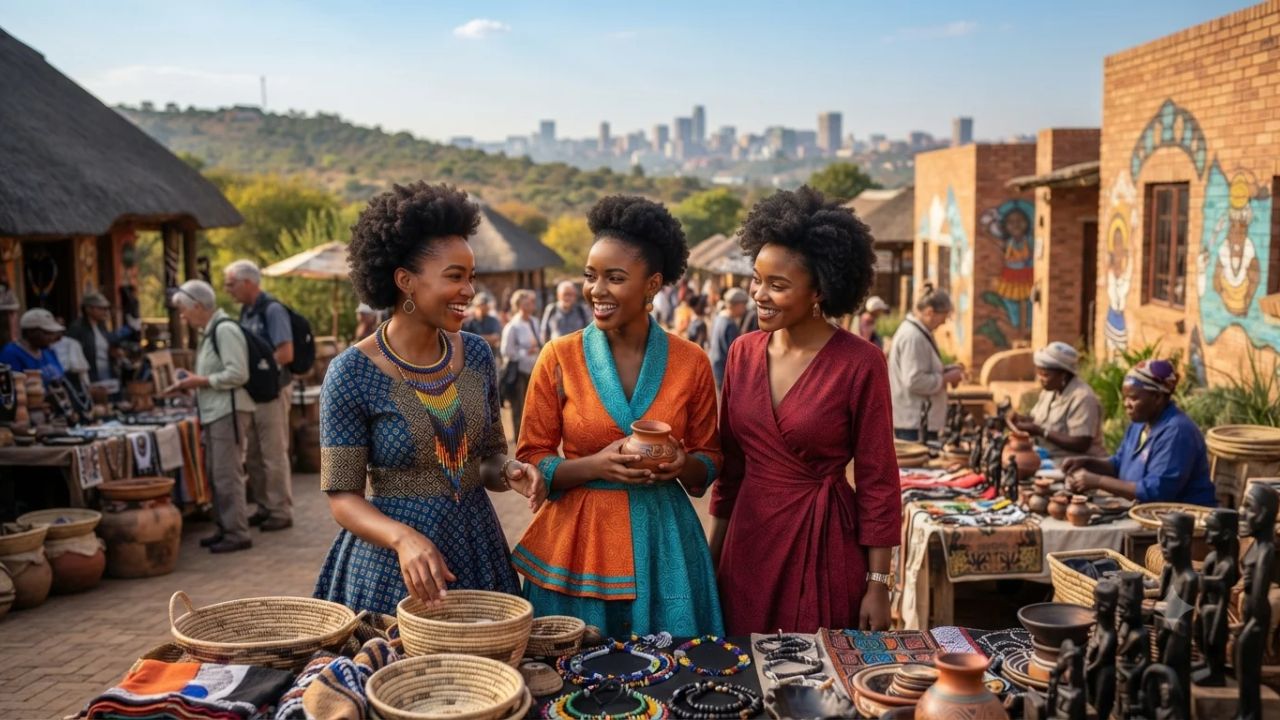
Welcoming approximately 6 million international travelers in 2026, South Africa is undergoing a profound cultural tourism transformation, moving beyond conventional wildlife safaris to establish multi-nation heritage corridors across Southern Africa. Partnering with neighboring states including Mozambique, Namibia, Zimbabwe, Lesotho, Eswatini, and Botswana, the region is linking urban creative arts, living indigenous traditions, and historical trade routes into integrated cross-border journeys.
For decades, the global image of Southern African travel was defined almost exclusively by game drives in private concessions. However, contemporary travelers are increasingly seeking authentic human connections—exploring township art collectives, highland Basotho mountain villages, ancient rock art sanctuaries, and cross-border music festivals. By coordinating regional border transit and promoting shared cultural narratives, Southern African destinations are building a collaborative travel network that distributes visitor spending directly into local communities, artisan workshops, and heritage cooperatives.
The Regional Coalition: Nine Nations Powering Cultural Tourism
The growth of South Africa’s cultural travel sector in 2026 is reinforced by nine key African source and partner markets, each contributing distinct geographic, artistic, and historical dimensions to the visitor economy.
To the east, Mozambique strengthens coastal-cultural routes connecting Maputo’s Portuguese-influenced maritime architecture and lively Marrabenta music scenes with KwaZulu-Natal’s Zulu heritage sites. To the northwest, Namibia provides world-class desert road-tripping that combines San rock engravings at Twyfelfontein with South Africa’s Richtersveld Cultural and Botanical Landscape.
Within the interior, Lesotho enriches regional itineraries through highland Basotho culture, traditional wool weaving, and pony trekking across the Maloti-Drakensberg mountain passes. Meanwhile, the Kingdom of Eswatini offers direct immersion into sacred traditional ceremonies and craft markets, seamlessly linking Kruger safaris with coastal reserves. Further afield, creative powerhouses like Nigeria and Kenya drive inbound youth travel through Afrobeats, film, and fashion festivals, while Ghana connects international diaspora travelers to continental heritage routes.
| Partner Nation | Primary Cultural Dimension | Key Shared Tourism Asset | Cross-Border Traveler Circuit |
|---|---|---|---|
| Mozambique | Maritime history, Afro-Luso music & cuisine | Coastal trade heritage, Marrabenta festivals | Maputo to KwaZulu-Natal Elephant Coast |
| Namibia | Indigenous San culture & desert road routes | Desert living heritage, geological wonders | Windhoek through Richtersveld to Cape Town |
| Lesotho | High-altitude Basotho traditions & crafts | Maloti-Drakensberg Park | Sani Pass to Drakensberg mountain lodges |
| Eswatini | Traditional monarchical ceremonies & weaving | Living Swazi traditions, royal cultural reserves | Kruger National Park to Lubombo Eco-Trail |
| Zimbabwe | Shona stone sculpture & ancient kingdoms | Great Zimbabwe heritage linkages | Limpopo transfrontier conservation corridors |
| Botswana | Community conservation & river culture | Indigenous riverine knowledge systems | Okavango Delta to Madikwe Game Reserve |
| Nigeria & Kenya | Modern African creative arts, fashion & music | Urban creative districts, culinary fusion | Joburg Art Fair & Cape Town Jazz Festival |
| Ghana | Pan-African historical & diaspora tourism | Shared continental liberation heritage | Pan-African heritage circuits and academic travel |
What Makes Southern African Cultural Routes Distinct
Unlike standardized resort tourism, cultural exploration in Southern Africa is rooted in living, evolving communities. Travelers can spend an afternoon at the Zeitz Museum of Contemporary Art Africa (Zeitz MOCAA) in Cape Town or exploring the street murals of Maboneng and Soweto in Johannesburg, before heading into rural provinces to learn traditional pottery techniques or listen to oral histories passed down through generations.
Furthermore, cross-border cooperation eliminates the isolation of single-country itineraries. A traveler can drive across the Sani Pass into Lesotho to experience high-altitude horse trekking, descend into the rolling hills of the KwaZulu-Natal Midlands for Zulu artisanal crafts, and cross into Eswatini for traditional glass-blowing at Ngwenya—all within a single ten-day road trip.
Community Economic Yield and Creative Industries
Cultural tourism delivers higher direct economic benefits to local residents than insular luxury lodges. When travelers attend the National Arts Festival in Makhanda, visit community-guided galleries in Soweto, or purchase hand-woven mohair tapestries in Lesotho, their spending bypasses corporate supply chains and goes straight to artists, dancers, translators, and family guesthouses.
According to data from South African Tourism, international cultural travelers stay an average of 3 to 5 days longer than visitors who only book express wildlife safaris. This extended length of stay spreads revenue into secondary regional towns, supporting job creation in transport, hospitality, and independent retail.
Visitor Insider Tips
- Cross-Border Driving Protocols: When renting a car in South Africa for multi-country trips into Lesotho, Eswatini, Mozambique, or Namibia, always request a cross-border authorization letter (Letter of Authority) from your car rental company at pickup. Without this stamped document, border officials will deny vehicle entry.
- Timing the Sani Pass Ascent: If driving into Lesotho via the dramatic Sani Pass, use a certified 4WD vehicle with low-range capability. The border post closes strictly at 18:00; begin your ascent by early afternoon to avoid mountain fog and ice during winter months.
- Township Guiding Etiquette: Always book walking or cycling tours in Soweto, Langa, or Khayelitsha with locally resident, certified guides who grew up in the neighborhood. This guarantees authentic context, respectful community interaction, and direct economic support for neighborhood families.
- Purchasing Authentic Crafts: Look for certified fair-trade craft centers like the Bat center in Durban, the Bushman Heritage Museum in Nieu-Bethesda, or Ngwenya Glass in Eswatini, where sales directly support rural artisan cooperatives and preserve endangered craft traditions.
Cultural and Environmental Context
Preserving tangible and intangible heritage requires balancing visitor access with community dignity. In sensitive indigenous areas—such as San rock art shelters in the Drakensberg and Cederberg mountains—unregulated touching or water-spraying causes irreversible damage to ancient natural pigments. National park authorities now mandate trained local community custodians to accompany all rock art viewings.
Similarly, cultural tourism initiatives must respect community privacy. Sustainable tour operators establish agreed visiting hours in rural villages, prohibit unsolicited photography of private homes and schoolchildren, and ensure community assemblies vote on tourism zoning. By respecting local autonomy, tourism becomes a powerful tool for cultural pride, youth employment, and heritage preservation.
FAQ: Visiting South Africa's Cultural Corridors 2026
What makes South Africa's cultural tourism different from standard safaris?
Cultural tourism focuses on living heritage, traditional communities, urban art movements, historical struggle sites, music festivals, and local culinary traditions across diverse ethnic groups.
Can I easily cross borders into Lesotho, Eswatini, and Mozambique?
Yes. Major border crossings operate daily, with visa-free or straightforward electronic visa regimes for most international passport holders, provided you carry a vehicle cross-border letter.
When is the best time for cultural festivals in South Africa?
March through September offers premier events, including the Cape Town International Jazz Festival, the National Arts Festival in Makhanda, and traditional ceremonies across Eswatini and KwaZulu-Natal.
Are township walking tours safe for international visitors?
Yes, when accompanied by licensed local resident guides. Walking and cycling tours in Soweto and Langa provide safe, engaging, and respectful cultural immersion.
Beyond the wildlife plains lies the heartbeat of Southern Africa—a vibrant world of living traditions, creative resilience, and shared community stories.
Related Travel Guides
Disclaimer
This article is for informational and educational purposes only. It does not constitute legal, financial, or professional advice. While we strive to provide accurate and up-to-date information, travel policies, regulations, and conditions change rapidly. Always verify information with official sources before making travel decisions. Nomad Lawyer makes no representations about the accuracy, reliability, completeness, or suitability of the information provided. Readers should consult qualified professionals for advice specific to their circumstances. The views expressed in this article are those of the author and do not necessarily reflect the views of Nomad Lawyer.
Preeti Gunjan
Contributor & Community Manager
A passionate traveller and community builder. Preeti helps grow the Nomad Lawyer community, fostering engagement and bringing the reader experience to life.
Learn more about our team →