
Japan Regional Tourism Revolution 2026: 58 Hidden Destinations, ¥9.45 Trillion Spend, and Beyond the Golden Route
With international visitors spending a record ¥9.45 trillion and average traveler expenditure reaching ¥245,000, Japan launches 58 model regional projects to disperse travelers from Tokyo and Kyoto into Hokkaido, Kyushu, and Okinawa.

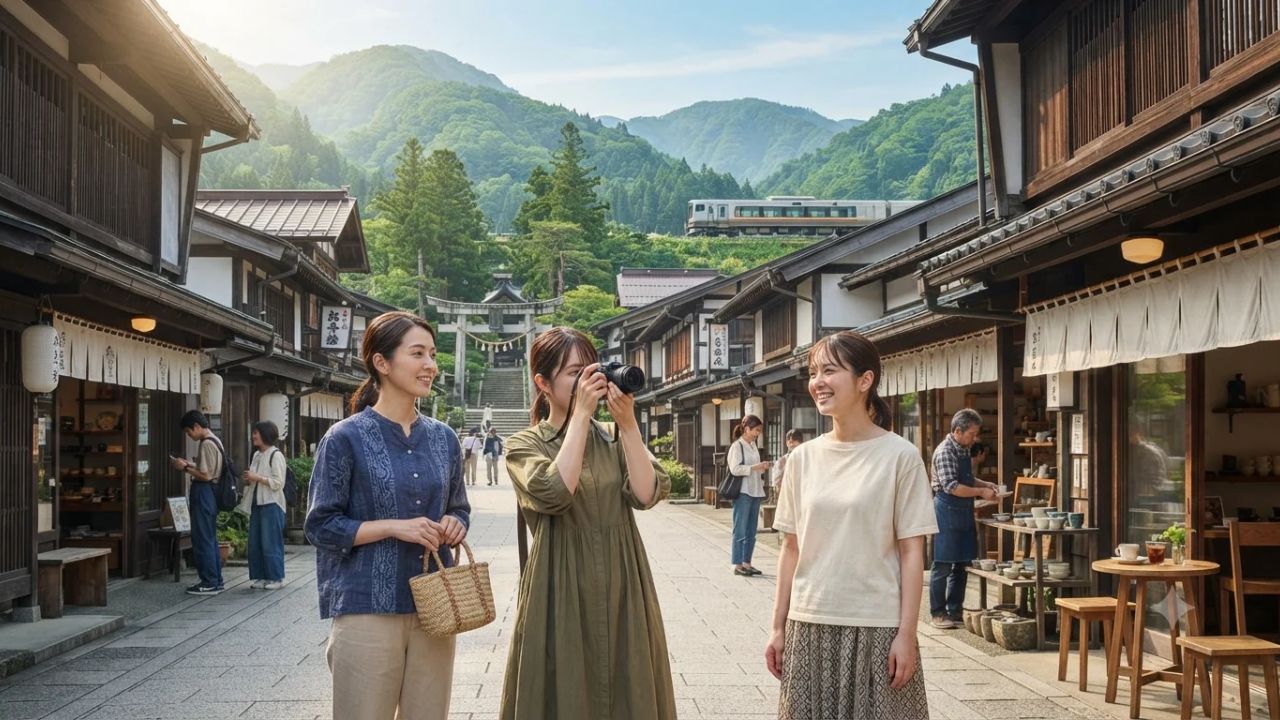
With international visitor spending surging to a record ¥9.45 trillion alongside 42.68 million arrivals (a 15.8% annual increase) and quarterly expenditure reaching ¥2.51 trillion at an average of ¥245,000 per traveler, Japan has launched 58 model regional initiatives under its 2026–2030 Tourism Nation Promotion Basic Plan. Rather than concentrating millions of tourists inside the congested Golden Route corridor of Tokyo, Kyoto, and Osaka, the nation is actively guiding global travelers toward historic port towns, geothermal highlands, and remote subtropical islands.
The strategic pivot marks a turning point for Asian travel. To achieve its ambitious targets of 60 million international visitors and ¥15 trillion in tourism spending by 2030, the Japan National Tourism Organization (JNTO) is deploying smart transit analytics, congestion-monitoring sensors, and regional rail incentives. By highlighting lesser-visited prefectures across Hokkaido, Tohoku, Kansai, Kyushu, and Okinawa, Japan is transforming mass tourism into high-yield cultural immersion that directly revitalizes rural economies while preserving residential quality of life.
The 58-Project Framework: Managing Crowds and Unlocking Regional Heritage
The government’s 58 model regional projects focus on practical visitor management: deploying digital queue systems, expanding regional bus routes, and promoting shoulder-season travel across diverse prefectures.
In Hokkaido, Hakodate and Otaru are upgrading historic canal walkways and port tram networks to separate tourist foot traffic from residential transit corridors. In the agricultural plain of Tokachi, municipal planners are integrating farm-stay shuttles, while Niseko is introducing smart transit loops to manage international ski season mobility.
In the Kansai region, Nara is implementing digital crowd-flow monitoring around its ancient UNESCO World Heritage Sites and sacred deer park. In Kyushu, Beppu is reorganizing parking and bus networks around its iconic thermal jigoku (hells) onsen districts. Meanwhile, at the southernmost tip of Okinawa, Hateruma Island is regulating ferry passenger volumes to protect fragile coral reef habitats and preserve traditional Ryukyu island culture.
| Regional Destination & Prefecture | Geographic Region | Core Travel Appeal | 2026 Sustainable Tourism Focus | Signature Local Experience |
|---|---|---|---|---|
| Hakodate & Otaru (Hokkaido) | Northern Coastal Ports | 19th-century brick warehouses, canals & fresh seafood | Smart pedestrian zoning and canal congestion controls | Morning fish market bowls (kaisendon) and night tram loops |
| Tokachi Plain (Hokkaido) | Central Hokkaido | Expansive dairy farms, agricultural plains & hot springs | Rural transit shuttles connecting organic farm stays | Farm-to-table dairy tastings and forest cycling trails |
| Niseko (Hokkaido) | Western Hokkaido | World-class powder skiing and alpine backcountry | International visitor behavior codes and ski shuttle loops | Freeride powder skiing and private onsen ryokan stays |
| Nara (Kansai) | Central Honshu | 8th-century Buddhist temples and free-roaming sacred deer | Digital crowd-flow management at Todai-ji and Kasuga Taisha | Early-morning temple walks through ancient cedar groves |
| Beppu (Oita, Kyushu) | Eastern Kyushu | Highest geothermal spring output in Japan | Smart parking and onsen transit optimization | Steamed thermal cuisine (jigoku mushi) and sand baths |
| Hateruma Island (Okinawa) | Yaeyama Archipelago | Starlit night skies and untouched coral coastlines | Strict ferry capacity management and reef protection | Southern Cross stargazing and cycling along empty sugarcane paths |
What Makes Regional Japan Different
Unlike metropolitan centers dominated by high-rise retail districts, traveling through regional Japan offers intimate encounters with living heritage. In small castle towns, mountain villages, and coastal fishing ports, visitors stay in centuries-old timber machiya merchant houses, dine on regional seasonal kaiseki prepared with hyper-local ingredients, and converse directly with artisans practicing pottery, indigo dyeing, and sake brewing.
Furthermore, regional travel allows visitors to experience Japan's distinct micro-seasons: snow festivals and frozen waterfalls in Hokkaido during winter, mountain cherry blossoms in Tohoku during spring, traditional dance festivals (matsuri) in Shikoku during summer, and fiery maple foliage in the Japanese Alps during autumn.
The Economic Shift Toward High-Yield Regional Travel
The record inbound spending of ¥9.45 trillion reflects a conscious shift from budget group tours to high-value independent exploration. Independent travelers spending an average of ¥245,000 per visit are allocating budgets directly to rural ryokans, licensed mountain guides, pottery workshops, and family-owned sake breweries.
By spending multiple nights in regional destinations like Beppu, Tokachi, or Nara rather than making rushed day trips from Tokyo or Kyoto, travelers ensure that tourism revenue circulates through regional supply chains, supporting job creation and revitalizing aging rural communities.
Visitor Insider Tips
- Luggage Forwarding (Takuhaibin): When traveling between regional destinations on the Shinkansen, never drag oversized suitcases onto crowded trains. Use nationwide luggage forwarding services (like Yamato Transport) at airport counters or hotel front desks to send heavy bags ahead directly to your next ryokan for approximately ¥2,000 to ¥3,000 per bag.
- Onsen Etiquette in Beppu: Always wash thoroughly at the seated shower stalls before entering the communal thermal pools. Keep small modesty towels out of the water, tie long hair back, and check ryokan policies regarding tattoos (many regional onsens now provide waterproof skin-colored patches).
- Early Morning Temple Visits in Nara: Avoid the midday tour bus crush by visiting Todai-ji and Kasuga Taisha between 06:30 and 08:00. The morning light filtering through the ancient cedar trees of Nara Park provides empty paths and calm interactions with the sacred deer.
- Regional Rail Passes: Instead of purchasing an all-Japan rail pass, evaluate regional passes like the JR Hokkaido Rail Pass, JR Kyushu Rail Pass, or JR Kansai Wide Area Pass. These regional options cost a fraction of national passes and provide unlimited travel on bullet trains and local feeder lines.
Cultural and Environmental Context
The success of Japan's regional tourism strategy hinges on balancing visitor access with the preservation of residential tranquility. In historic quarters, overcrowding has occasionally led to noise complaints, blocked residential streets, and improper waste disposal.
Under the 2026–2030 Basic Plan, municipalities are working with community assemblies to establish clear tourist behavior codes, install multi-lingual digital signage, and mandate licensed local guides in sensitive ecological areas like Hateruma Island and Shiretoko National Park. Respectful travelers support these efforts by keeping voices down in residential alleys, packing out all personal trash, and using municipal public transportation rather than private ride-hailing vehicles.
FAQ: Visiting Regional Japan 2026
What are the main regional destinations to visit beyond Tokyo and Kyoto?
Top regional alternatives include Hakodate and Tokachi in Hokkaido, the ancient temples of Nara, the thermal onsen baths of Beppu in Kyushu, and the secluded beaches of Hateruma Island in Okinawa.
How much do international visitors spend on average in Japan?
Recent economic data from 2026 shows international travelers spend an average of approximately ¥245,000 per visit on accommodation, regional dining, transport, and cultural experiences.
What is the purpose of Japan's 58 regional model projects?
The projects implement smart crowd management, improve local bus and train transit, protect cultural heritage, and distribute economic benefits to rural communities facing depopulation.
Is English widely spoken in regional Japan?
While major stations have English signage, English is less common in rural areas. Downloading offline translation apps and learning basic Japanese courtesy phrases (Arigato gozaimasu, Sumimasen) ensures smooth interactions.
Beyond the neon glare of the capital lies the true heart of Japan—etched in ancient cedar forests, bubbling thermal valleys, and the enduring warmth of rural hospitality.
Related Travel Guides
Disclaimer
This article is for informational and educational purposes only. It does not constitute legal, financial, or professional advice. While we strive to provide accurate and up-to-date information, travel policies, regulations, and conditions change rapidly. Always verify information with official sources before making travel decisions. Nomad Lawyer makes no representations about the accuracy, reliability, completeness, or suitability of the information provided. Readers should consult qualified professionals for advice specific to their circumstances. The views expressed in this article are those of the author and do not necessarily reflect the views of Nomad Lawyer.
Kunal K Choudhary
Co-Founder & Contributor
A passionate traveller and tech enthusiast. Kunal contributes to the vision and growth of Nomad Lawyer, bringing fresh perspectives and driving the community forward.
Learn more about our team →