
Solo Travel Trends 2026: Japan Dominates as Independent Bookings Surge 33%
Solo travel trends show Japan leading global searches in 2026 with a 33% surge in independent bookings. Beach breaks now outpace adventure tourism among solo travelers worldwide.

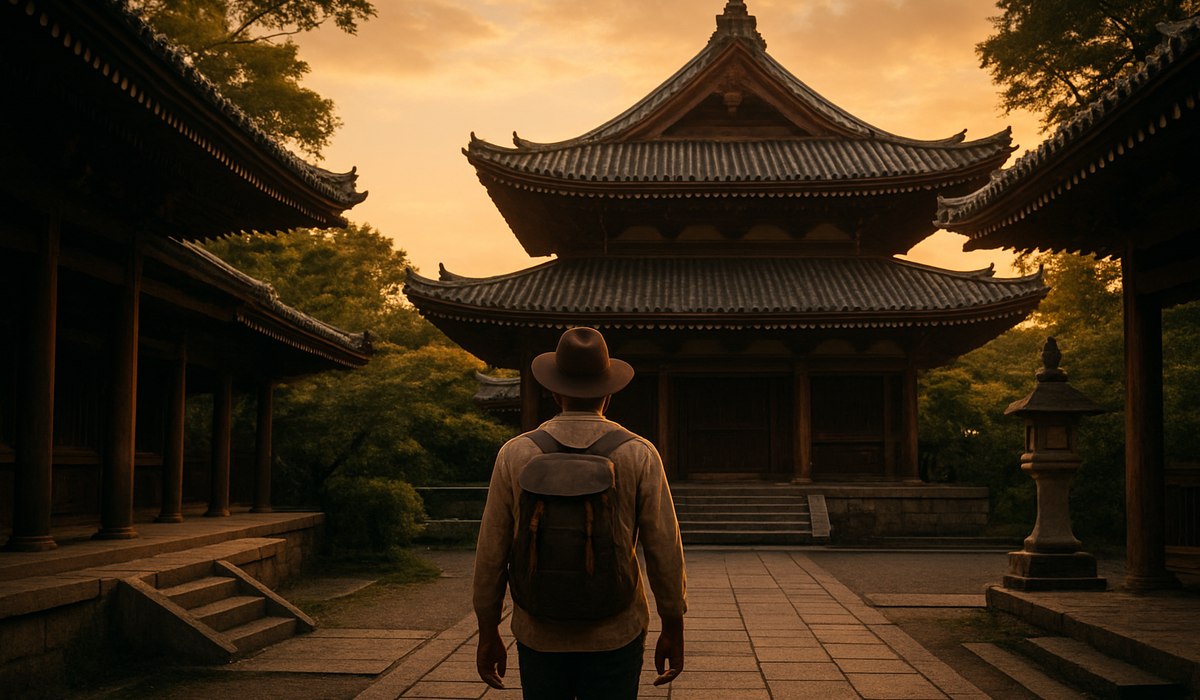
Image generated by AI
Solo Travel Reaches Historic Peak in 2026
Japan has emerged as the world's most-searched solo travel destination in 2026, capturing the imagination of independent travelers globally. According to the latest Solo Travel Trends Report, solo travel bookings have surged 33% compared to 2025, signaling unprecedented demand for independent exploration. The trend reflects a fundamental shift in how travelers approach their journeys, with over 40,000 monthly Google searches and 1.9 million TikTok videos tagged #solotravel demonstrating the movement's cultural momentum.
This growth transcends a single region or demographic. Solo travelers now represent one of the fastest-growing segments in the global tourism market, attracting individuals who prioritize personal pace, flexibility, and authentic cultural immersion. What makes 2026 particularly significant is how solo travel has shed its adventure-focused stereotype, revealing surprising preferences that reshape destination marketing strategies worldwide.
Solo Travel Boom: 33% Rise in Bookings for 2026
The 33% increase in solo travel bookings marks a watershed moment for the independent travel sector. This explosive growth reflects changing attitudes toward solo exploration, particularly among first-time travelers who previously viewed independent trips as intimidating or isolating.
Travel operators attribute this surge to several converging factors. Social media storytelling has democratized travel inspiration, allowing aspiring solo travelers to visualize their own journeys through authentic peer experiences. Remote work flexibility enables professionals to extend trips beyond traditional vacation windows. Additionally, safety improvements in emerging destinations and enhanced digital connectivity have reduced barriers to independent travel.
The demographic expansion proves particularly noteworthy. Solo travel now attracts professionals, retirees, families with adult children, and young adults in relatively equal proportions. This diversification explains why destinations ranging from cultural centers to beach resorts are experiencing surge interest. Industry observers expect 2026 to "potentially become the biggest year yet for going it alone," according to travel sector analysts.
Top 10 Most-Searched Solo Travel Destinations Revealed
Japan commands the top position with over 67,000 annual solo travel-related searches. This East Asian nation's rise reflects its reputation for welcoming first-time travelers while offering profound cultural experiences, exceptional public transportation, and manageable navigation for independent explorers.
The remaining top ten destinations reveal a balanced global distribution:
- Thailand (2nd place) maintains its appeal through affordability, beach accessibility, and established solo traveler infrastructure
- India (3rd place) attracts culturally curious travelers seeking transformative experiences
- Vietnam (4th place) combines natural beauty with emerging solo travel communities
- Italy (5th place) rounds out the top five, representing European heritage travel
- Australia (6th place) appeals to adventure-oriented solo travelers
- Costa Rica (7th place) offers ecological and adventure-focused experiences
- Ireland (8th place) provides English-speaking comfort with cultural richness
- New Zealand (9th place) attracts active explorers
- Portugal (10th place) emerges as Europe's fastest-growing solo destination
Notably, four Asian destinations occupy the top five positions, reflecting shifting travel patterns away from traditional Western-centric tourism. This geographic diversification benefits emerging tourism markets while challenging established European and North American destinations to enhance their solo traveler offerings.
Beach Breaks Beat Adventure: Solo Travelers' Surprising Preferences
A significant revelation from 2026's solo travel data challenges long-standing assumptions about independent travelers. Nearly 48% of surveyed solo travelers prioritize beach breaks and relaxation-focused experiences, compared to just 24% seeking active adventure tourism.
This preference shift has profound implications for destination positioning and product development. Traditional adventure tourism operators—who historically dominated the solo travel market—now compete for a smaller segment. Conversely, beach destinations, coastal resorts, and wellness-focused properties experience unprecedented demand from independent travelers.
The trend reflects broader lifestyle changes post-2025. Solo travelers increasingly view independent trips as opportunities for rejuvenation and self-discovery rather than adrenaline-focused challenges. Wellness tourism, quiet beaches, meditation retreats, and reflective experiences resonate more strongly than extreme sports or strenuous expeditions.
This preference distribution varies geographically. Asian beach destinations like Thailand, Bali, and the Philippines see disproportionate growth among relaxation-seeking solo travelers. Meanwhile, European mountain destinations and New Zealand's adventure corridors maintain loyal customer bases among the 24% seeking active pursuits.
For travel advisors and destination marketers, this data underscores the importance of diverse product offerings. Destinations that successfully market both adventure and relaxation experiences capture broader solo traveler demographics than those specializing exclusively in one category.
Why Japan Dominates the Solo Travel Landscape
Japan's top ranking stems from multiple competitive advantages that appeal directly to solo travelers' core desires. The nation's reputation for safety ranks paramount—solo travelers consistently identify personal security as their primary destination selection criterion.
Japan's public transportation infrastructure operates with legendary precision and accessibility. Trains, buses, and metro systems function efficiently across urban and rural areas, enabling independent navigation without language fluency or expensive guides. This infrastructure democratizes travel, allowing nervous first-timers to explore confidently.
Cultural accessibility paradoxically increases despite significant language differences. Japan's visual signage systems, English availability in major cities, and widespread respect for travelers creates welcoming environments. Additionally, the Japanese cultural emphasis on hospitality and service excellence extends to independent travelers equally.
Diverse experiences within a single destination appeal to solo travelers planning extended stays. Japan offers contemporary urban culture, traditional spiritual sites, mountain scenery, coastal beauty, and culinary excellence—enabling travelers to design multifaceted itineraries matching their evolving interests.
The rise of solo travel communities within Japan has created informal support networks. Travel blogs, social media groups, and meetup opportunities reduce isolation while preserving independence. Established solo traveler communities provide practical advice, safety information, and social connection without obligating travelers to join formal group tours.
Finally, Japan's value proposition for international visitors has improved through strategic tourism initiatives. Currency fluctuations, improved English signage, and expanded accommodations catering specifically to solo travelers have made Japan increasingly accessible to independent explorers.
Fastest-Growing Solo Travel Destinations Reshape Tourism Geography
Beyond established leaders, several destinations experience explosive growth in solo travel interest. Iceland leads growth metrics with a 181% year-on-year increase in solo travel searches, driven by iconic landscapes and well-developed tourism infrastructure supporting independent exploration.
Oman follows with 133% YoY growth, representing emerging interest in Middle Eastern destinations. New Zealand recorded 90% YoY growth, while Slovenia achieved 80% growth, indicating strong European interest in smaller, authentic destinations offering cultural experiences without mass tourism characteristics.
Lesser-known destinations demonstrate surprising momentum. Kyrgyzstan, Bolivia, and Kazakhstan each reported 67% YoY increases, suggesting solo travelers increasingly venture beyond traditional circuits seeking authentic, undiscovered experiences. China and Cyprus achieved 50% growth respectively, while Poland recorded 40% increases.
This geographic expansion reflects maturing solo travel markets. As travelers accumulate experience, they progress beyond foundational destinations toward more challenging, specialized, and culturally distinctive locations. Growth in emerging destinations indicates that solo travelers possess sufficient confidence and resources to venture into less-touristed regions.
For destination marketers, this growth pattern presents strategic opportunities. Regions experiencing rapid growth can establish themselves as authentic solo travel destinations before mass tourism transforms local character. Early investment in solo traveler infrastructure—affordable accommodations, clear signage, safety initiatives, and community engagement—positions emerging destinations advantageously.
| Destination | Rank | Annual Searches | YoY Growth | Primary Appeal |
|---|---|---|---|---|
| Japan | 1 | 67,000+ | — | Safety, culture, infrastructure |
| Thailand | 2 | — | — | Beaches, affordability |
| India | 3 | — | — | Cultural immersion |
| Vietnam |
Disclaimer
This article is for informational and educational purposes only. It does not constitute legal, financial, or professional advice. While we strive to provide accurate and up-to-date information, travel policies, regulations, and conditions change rapidly. Always verify information with official sources before making travel decisions. Nomad Lawyer makes no representations about the accuracy, reliability, completeness, or suitability of the information provided. Readers should consult qualified professionals for advice specific to their circumstances. The views expressed in this article are those of the author and do not necessarily reflect the views of Nomad Lawyer.
Kunal K Choudhary
Co-Founder & Contributor
A passionate traveller and tech enthusiast. Kunal contributes to the vision and growth of Nomad Lawyer, bringing fresh perspectives and driving the community forward.
Learn more about our team →