
Safe Havens in Latin America: The Best Beginner Destinations and Safety Tips for Solo Female Travel in Mexico and Brazil
Explore the safest destinations for solo female travelers in Mexico and Brazil. Discover tips for Mérida, Oaxaca, Florianópolis, CDMX, and Rio in 2026.

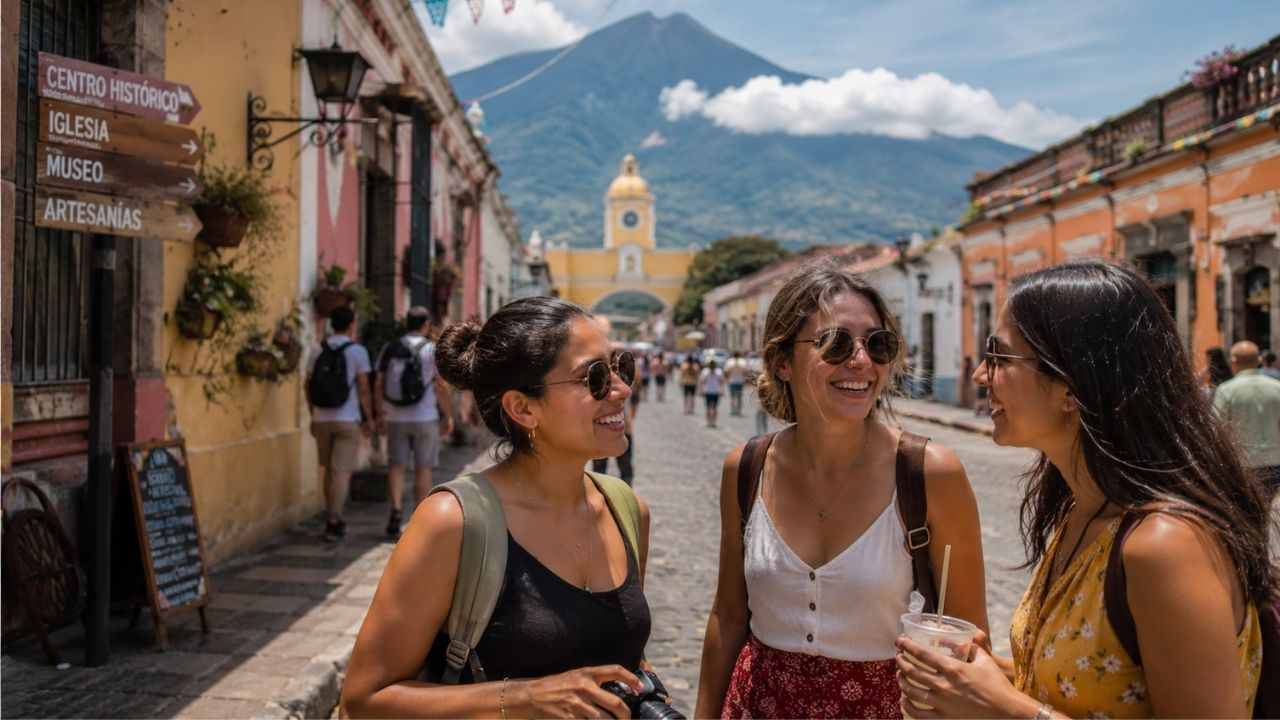
Image generated by AI
With a rising number of independent travelers exploring Latin America, destinations in Mexico and Brazil are adapting to provide safer, more accessible solo travel experiences.
Independent tourism across Latin America has entered a new phase of growth as travelers prioritize cultural immersion and outdoor adventures. Tourism registries show that Mexico and Brazil remain primary choices for solo trips due to their historic heritage, diverse dining scenes, and coastal geography. However, safety remains a key consideration, especially for women traveling alone. Rather than labeling these nations as entirely safe or unsafe, travel guides emphasize that successful journeys depend on selecting the right municipalities and adhering to responsible travel practices.
Beginner Havens: Mérida and Oaxaca Lead Mexican Choices
For first-time solo female travelers in Mexico, the southern regions offer some of the most accessible environments. Mérida, the capital of the Yucatán state, is recognized by the Yucatán Tourism Promotion Secretary for its low crime rates and walkable historic center. The city features colonial architecture, museums, and local craft markets, serving as a base for day trips to cenotes and the Mayan ruins of Chichén Itzá.
Oaxaca is another popular choice, valued for its strong cultural identity and local arts scene. Solo travelers can easily navigate the walkable historic center to visit indigenous craft markets and sample traditional cuisine. Many of the region's attractions—including the Monte Albán archaeological site and the mineral springs of Hierve el Agua—are easily reached via registered group tours, making it simple to meet other travelers.
Urban Prudence: Navigating Mexico City Safely
Mexico City offers extensive cultural attractions, museums, and dining options, but navigating the capital requires more preparation than smaller towns. Solo women are advised to base themselves in established neighborhoods like Roma, Condesa, Polanco, and Coyoacán. These areas feature well-lit streets, local restaurants, and active municipal security.
When exploring the capital, visitors should take precautions against pickpocketing in crowded transit hubs and avoid isolated streets after dark. Using verified rideshare apps instead of hailing street taxis helps ensure safe transport across the city. Visiting attractions like the Frida Kahlo Museum or the historic center during daylight hours helps ensure a comfortable urban experience.
Coastal Serenity: Florianópolis and Foz do Iguaçu in Brazil
For travelers planning their first trip to Brazil, the southern state of Santa Catarina offers a relaxed coastal environment. The capital city, Florianópolis, is located on a large island known for its beaches, hiking trails, and surf culture. The city features a lower crime rate than major northern hubs, making it an easier introduction to the country.
Foz do Iguaçu is another highly regulated destination, focusing on national park tourism around the Iguazu Falls. The town operates with structured transport links and organized visitor services, allowing solo travelers to explore the park trails safely. These southern regions provide a natural showcase of Brazil's geography without the complexities of major metropolitan centers.
Metropolitan Awareness: Coping with Rio de Janeiro and São Paulo
Brazil's largest cities, Rio de Janeiro and São Paulo, offer iconic scenery and rich cultural experiences, but they require a higher level of safety awareness. In Rio de Janeiro, attractions like Christ the Redeemer and Sugarloaf Mountain are monitored by transit police, but beach thefts and pickpocketing remain common in tourist areas.
Solo female travelers in Rio are advised to stay in busy coastal neighborhoods such as Ipanema, Leblon, and Copacabana. Avoid walking alone on empty beaches or quiet side streets late at night, and keep valuables hidden when using public transit. In São Paulo, stick to central museum districts and use verified transport apps to travel between neighborhoods after dark.
Supporting Local Communities: Pousadas, Posadas, and Artisan Cooperatives
Solo travelers can directly support local economies by making conscious spending choices during their trips. Staying in family-run guesthouses—referred to as posadas in Mexico and pousadas in Brazil—helps keep lodging revenue within the community. These properties often provide personalized travel advice, helping solo guests navigate local routes safely.
Additionally, purchasing crafts directly from indigenous artisan cooperatives in Oaxaca or Bahia ensures that money goes directly to the creators. Travelers should also book excursions with certified local guides and dine at independent, neighborhood restaurants. These choices support sustainable economic growth and protect the regional heritage of the destinations.
Practical Travel Advice and Solo Safety Guidelines
Planning a solo journey in Latin America requires attention to preparation and local customs. Regional tourism boards recommend keeping these safety guidelines in mind:
- Travel During the Southern Shoulder Season: For Florianópolis, visit in March or April when the sea is warm and crowds are thin. For Mexico's Yucatán, choose November or May to avoid peak winter prices and summer rains.
- Try the Local Culinary Specialties: In Oaxaca, sample tlayudas—crispy tortillas topped with beans, cheese, and grilled meats. In Florianópolis, try fresh oysters at local coastal taverns, which support regional shellfish farmers.
- Respect Local Etiquette and Dress Codes: When visiting historic churches in Mérida or Bahia, dress modestly with shoulders covered. In Mexico, greet shopkeepers with a polite Buenos días before browsing.
- Use Certified Parks and Guides: When visiting the Iguazu Falls or exploring the Mayan ruins, hire certified park guides to ensure safety and support local conservation efforts.
- Share Travel Itineraries Daily: Keep a digital copy of your itinerary and share your daily plans with trusted contacts. Use official rideshare apps and keep emergency numbers saved on your phone.
Latin American Solo Travel Destination Matrix
| Solo Destination | Country Region | Primary Tourism Appeal | Key Safety Rating / Setup | Beginner Suitability |
|---|---|---|---|---|
| Mérida | Mexico (Yucatán) | Mayan culture, historic center | Low crime, walkable lanes | Excellent for beginners |
| Oaxaca | Mexico (Oaxaca) | Artisan crafts, local cuisine | Walkable center, organized tours | High suitability |
| Florianópolis | Brazil (Santa Catarina) | Beach sports, coastal trails | Calmer urban footprint | Excellent for beginners |
| Foz do Iguaçu | Brazil (Paraná) | Iguazu Falls wilderness | Highly regulated national park | High suitability |
| Mexico City | Mexico (Federal District) | Museums, architecture, food | Moderate, stay in Roma/Condesa | Medium / Requires planning |
| Rio de Janeiro | Brazil (Rio de Janeiro) | Scenery, Copacabana beach | Moderate, phone theft risks | Medium / Requires awareness |
Frequently Asked Questions
Is Mexico safe for solo female travelers?
Yes. Many regions are suitable for solo women. Destinations like Mérida, Oaxaca, and Puerto Vallarta offer strong tourism infrastructure and lower crime rates.
Is Brazil safe for women traveling alone?
Brazil offers rewarding travel, but beginners should start with calmer destinations like Florianópolis and Foz do Iguaçu before visiting Rio de Janeiro or São Paulo.
Which country is easier for first-time solo travelers: Mexico or Brazil?
Mexico is generally easier for beginners because of shorter travel distances, simpler transport options, and a highly established tourism infrastructure.
What are the key safety tips for solo women in Latin America?
Key tips include choosing highly rated accommodations, using verified rideshare apps, avoiding walking alone at night, hiding valuables, and sharing plans with trusted contacts.
The Long-Term Outlook for Solo Travel
The rise of solo female travel is encouraging tourism boards to improve safety infrastructure and visitor services. Cities that invest in well-lit walking corridors, clear signage, and trained transit staff will continue to attract independent travelers. By focusing on sustainable practices and supporting local businesses, solo travelers can help preserve the natural beauty and cultural traditions of Mexico and Brazil. As destinations adapt to these trends, the future of independent travel in Latin America will continue to offer rewarding opportunities for personal discovery.
By supporting certified eco-tours and choosing community-owned lodging, travelers can help ensure that natural biomes remain protected for future visits.
Related Travel Guides
Disclaimer
This article is for informational and educational purposes only. It does not constitute legal, financial, or professional advice. While we strive to provide accurate and up-to-date information, travel policies, regulations, and conditions change rapidly. Always verify information with official sources before making travel decisions. Nomad Lawyer makes no representations about the accuracy, reliability, completeness, or suitability of the information provided. Readers should consult qualified professionals for advice specific to their circumstances. The views expressed in this article are those of the author and do not necessarily reflect the views of Nomad Lawyer.
Raushan Kumar
Founder & Lead Developer
Full-stack developer with 11+ years of experience and a passionate traveller. Raushan built Nomad Lawyer from the ground up with a vision to create the best travel and law experience on the web.
Learn more about our team →