
Transit Expansion: Solaseed Air Increases Domestic Japan Summer Flight Schedule
Solaseed Air is expanding its summer flight schedule, operating 14 domestic routes and providing up to 80 flights daily across Japan.

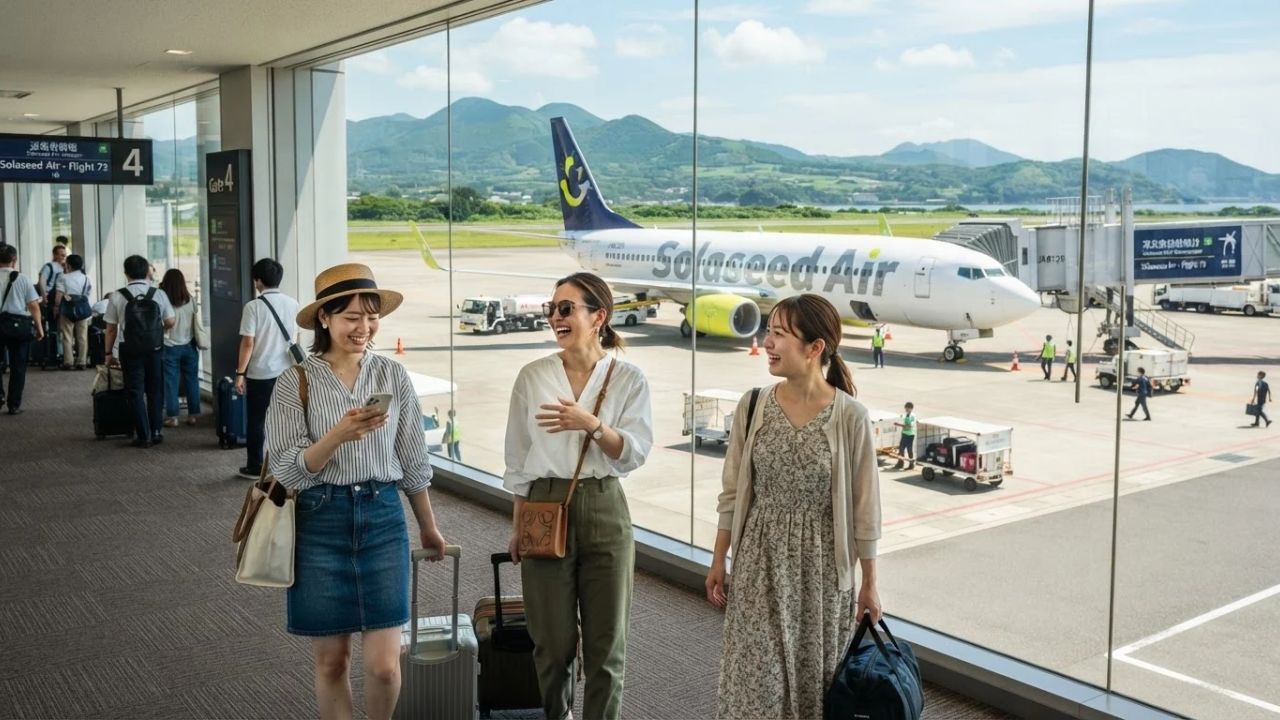
Image generated by AI
Solaseed Air is expanding its summer flight schedule, operating 14 domestic routes and providing up to 80 flights daily across Japan. The expanded schedule connects major cities with regional hubs in Kyushu and Okinawa to support peak-season holiday demand.
Regional Aviation and Domestic Flight Densities
A significant trend in Japanese transit is the growth of high-frequency regional flight networks operated by specialized domestic carriers. Historically, long-distance domestic travel in Japan was dominated by high-speed rail (Shinkansen) or primary national airlines, which focused main routes around Tokyo and Osaka. For travelers heading to southern islands or regional prefectures, flight options were limited, often requiring early bookings or high transit fares.
By increasing flight frequencies to regional hubs, regional carriers provide flexible departure times and lower fares. This trend improves passenger mobility, strengthens regional airport activity, and makes secondary prefectures accessible for independent travelers.
Solaseed Air Summer Schedule Parameters
The updated summer timetable represents a key capacity upgrade for the carrier's domestic network:
- Route Network: The summer program covers 14 domestic routes across Japan.
- Daily Frequencies: Solaseed Air will operate up to 80 flights per day during the peak summer travel season.
- Regional Focus: The flights connect major metropolitan areas with regional hubs in Kyushu and Okinawa.
- Target Market: The schedule is designed to accommodate leisure travelers, business passengers, and returning families during high-demand holiday weeks.
This increased frequency offers passengers a wider selection of departure times to coordinate domestic itineraries.
Supporting Regional Tourism in Kyushu and Okinawa
The expanded schedule assists in distributing visitor traffic to southern prefectures:
- Kyushu Gateways: Solaseed's network connects travelers with Kyushu's hot springs, volcanic parks, and historic sites in Miyazaki, Kumamoto, and Kagoshima.
- Okinawa Gateways: Direct flights to Okinawa support beach resorts, marine parks, and coral reef excursions, bypassing crowded hub connections.
- Economic Support: Reliable regional flights direct tourism spending to local hospitality businesses, taxi drivers, and municipal markets outside major cities.
By providing direct links, the carrier supports Japan's national tourism objective of encouraging travelers to discover destinations beyond major metropolitan areas.
Solaseed Air Summer Flight Program Coordinates
The table below breaks down the domestic routes, daily flight frequencies, primary regional hubs, target passenger markets, and booking recommendations established for the summer schedule:
| Stated Route Count | Maximum Daily Flights | Primary Regional Hubs | Target Passenger Markets | Scheduling Recommendations |
|---|---|---|---|---|
| 14 domestic routes | Up to 80 daily flights | Kyushu & Okinawa | Leisure travelers & families | Compare off-peak morning departures |
| Route Portfolio | High-frequency flights | Southern Japan gateways | Local business commuters | Book via official airline portals |
These coordinates outline the routes, daily frequencies, hubs, and markets established for the summer program.
Resource Stewardship and Fuel-Efficient Domestic Routing
For the traveler, the benefit of choosing direct domestic flights is the reduction in transit steps, which lowers emissions compared to multi-stop regional itineraries. Direct routes allow airlines to optimize aircraft utilization and reduce tarmac idling times.
Additionally, regional travel supports local economies by spreading tourism revenue to prefectural suppliers, local transport workers, and municipal park staff. Respecting local preservation guidelines at nature reserves protects Japan's hot spring ecosystems and coastal coral reefs.
For example, you can explore the changing dynamics of Transit Expansion: STARLUX Airlines Launches Kobe Kaohsiung Route to see how charter flights link regional destinations. For winter timetable updates, comparing flight scheduling matches other carriers, such as Transit Upgrade: Tigerair Taiwan Increases Hakodate Taipei Flight Schedule updates. This trend is similar to the tourism growth seen in other destinations, as detailed in our guide on how Utica, New York Emerges as an Affordable Northeast Tourism Hub.
Visitor Insider Tips: Flying Solaseed Air in Summer
If you are planning to travel within Japan on this route network, keep these practical tips in mind:
- Book Early for Peak Holidays: Summer holiday weeks (such as Obon in August) experience high demand; secure your tickets early to guarantee preferred times.
- Select Off-Peak Morning Flights: Choose early morning departures on Kyushu routes to find lower fares and avoid afternoon airport queues.
- Confirm Baggage Allowances: Check the specific fare rules on the Solaseed Air site, as regional tickets have strict weight limits for carry-on luggage.
- Coordinate Airport Shuttles: Research local bus and train connections from regional airports in Miyazaki or Naha to reach your final hotel smoothly.
- Carry Cash for Regional Transit: While major cities use IC cards, carry cash for regional buses and local trains in rural Kyushu.
Long-Term Outlook for Japan's Domestic Aviation
The long-term outlook for Japan's domestic transit is focused on deploying fuel-efficient narrow-body aircraft, integrating biometric check-in systems at regional airports, and expanding codeshare agreements with international carriers. As tourism interest in regional Japan remains high, carriers will rely on scheduled frequencies to build connectivity.
By developing direct routes and supporting prefectural tourism, the aviation sector aims to build a reliable domestic network.
FAQ
How many routes does Solaseed Air operate in the summer schedule?
Solaseed Air will operate 14 domestic routes across Japan during the summer schedule period.
How many daily flights are scheduled?
The airline will operate up to 80 flights per day across its domestic network.
Which regions are primarily served by the expansion?
The expanded schedule connects major cities with regional destinations in Kyushu and Okinawa.
Where can travelers find the latest schedule updates?
Passengers should check the official Solaseed Air booking portal for the most current timetable and ticket availability.
Stay updated on the airline timetables and domestic routes shaping Japan travel.
Related Travel Guides
Disclaimer
This article is for informational and educational purposes only. It does not constitute legal, financial, or professional advice. While we strive to provide accurate and up-to-date information, travel policies, regulations, and conditions change rapidly. Always verify information with official sources before making travel decisions. Nomad Lawyer makes no representations about the accuracy, reliability, completeness, or suitability of the information provided. Readers should consult qualified professionals for advice specific to their circumstances. The views expressed in this article are those of the author and do not necessarily reflect the views of Nomad Lawyer.
Raushan Kumar
Founder & Lead Developer
Full-stack developer with 11+ years of experience and a passionate traveller. Raushan built Nomad Lawyer from the ground up with a vision to create the best travel and law experience on the web.
Learn more about our team →