
Smart Airline Apps Transform Flight Upgrades: American, United, Delta, and Alaska Automation Guide 2026

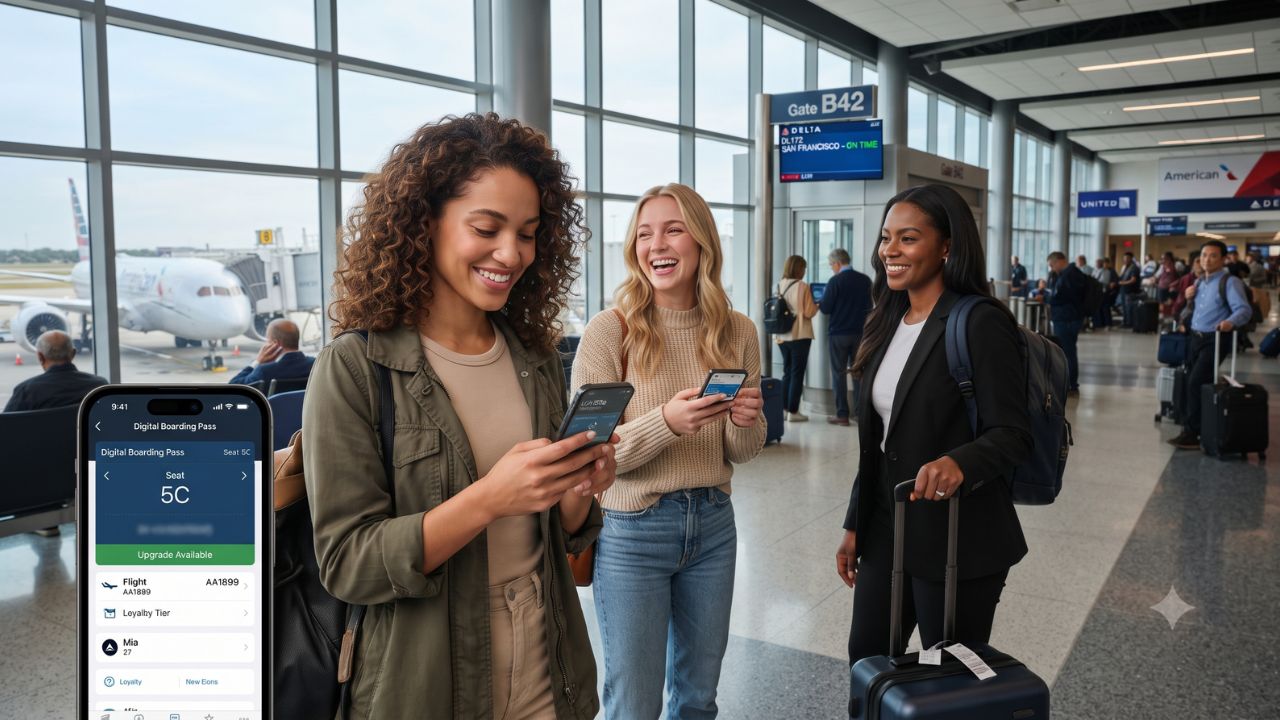
Over 80% of premium cabin seat upgrades across major United States carriers are now processed completely behind the scenes through automated algorithmic engines rather than gate agent interventions. As legacy carriers overhaul their mobile architectures, passengers flying with American Airlines, United Airlines, Delta Air Lines, and Alaska Airlines are seeing algorithmic inventory management replace traditional standby lists and manual desk requests.
Automated Seat Clearance: How Major US Carriers Modernize Premium Cabin Upgrades
The shift toward intelligent mobile applications represents a foundational transition in commercial aviation operations. Rather than requiring travelers to repeatedly refresh seat charts or approach departure gate desks, carriers have shifted priority ranking, inventory matching, and cabin promotions directly into centralized cloud algorithms.
Recent operational deployments across the four largest domestic network carriers highlight distinct digital approaches:
- American Airlines: AAdvantage members experience automated seat management that continuously tracks fare class eligibility, elite loyalty status, and real-time cabin openings. When premium economy or domestic first-class seats open up, the system clears eligible passengers automatically and pushes instant mobile notifications.
- United Airlines: MileagePlus Premier members benefit from automated complimentary upgrade clearance starting days in advance based on tier ranking, processing open seats without manual passenger intervention.
- Delta Air Lines: SkyMiles Medallion status holders are integrated into automated clearing engines that balance paid upgrade inventory against complimentary elite clearance rules up to departure time.
- Alaska Airlines: Mileage Plan elite flyers receive automated upgrade processing driven by fare category, elite status level, and aircraft cabin configurations across regional and transcontinental routes.
What Makes Smart Airline Upgrade Systems Different
Traditional air travel required frequent flyers to constantly monitor seat maps, call reservation centers, or negotiate standby positions with customer service staff at the gate. Modern airline applications eliminate this friction by turning smartphones into autonomous trip concierge hubs.
First, digital automation synchronizes seat inventory in real time with operational dispatch systems. If a connecting passenger misconnects or cancels their reservation minutes before boarding, the airline engine detects the vacant seat and instantly clears the next ranked loyalty member on the digital queue.
Second, smart mobile platforms integrate personalized travel management into a unified interface. Passengers receive automated baggage tracking, gate change alerts, rebooking pathways during irregular operations, and digital boarding passes that update cabin assignments automatically as soon as an upgrade clears.
Visitor Insider Tips: Maximizing Mobile App Flight Upgrades
Securing seat upgrades in modern aviation requires strategic digital management:
- Enable Push Notifications and Location Services: Automated upgrade clearances often require immediate seat selection or mobile check-in verification within specific time windows. Ensure the carrier's app has full push notification permissions.
- Understand Elite Upgrade Clearance Windows: Each carrier opens automated clearing windows based on status tier (typically 120 hours prior for top-tier elites, 72 hours for mid-tier, and 24 hours for entry-level elites). Verify your booking class eligibility prior to these cutoff windows.
- Check Digital Standby Lists Early: During same-day flight changes or irregular operations, add yourself to standby or upgrade waitlists directly inside the app exactly when the 24-hour check-in window opens.
- Monitor In-App Buy-Up Offers: Airlines frequently release dynamic cash or mileage upgrade offers inside mobile booking management screens 48 to 12 hours before departure at steep discounts compared to booking outright.
- Split Multiple-Passenger PNRs: If traveling with a companion who does not share equal loyalty status, split your passenger name record (PNR) through customer support so your individual automated elite upgrade can clear without requiring two open seats.
Cultural and Environmental Context
The transition to digital-first airport experiences reflects a wider cultural evolution in traveler expectations. Modern passengers demand immediate information and self-service control, reducing long queues around boarding gate podiums and easing stress on airport ground personnel.
From an environmental and resource perspective, mobile application automation drastically decreases printed paper waste from physical boarding passes and seat re-assignment receipts. Furthermore, by optimizing cabin load factors and automating passenger flow through airport terminals, airlines achieve higher operational precision, reducing turnaround delays and ground taxi fuel burn.
FAQ: Smart Airline Upgrades and Apps 2026
Do smart airline apps guarantee complimentary upgrades for all passengers?
No. Upgrades depend strictly on available premium cabin inventory, fare class purchased, loyalty program status, and specific airline rules.
How early do automated upgrades clear before departure?
Automated clearances typically begin between 120 hours and 24 hours prior to departure, depending on your airline loyalty tier and ticket type.
Can I monitor my position on the upgrade list in real time?
Yes. American, United, Delta, and Alaska all provide live upgrade and standby waitlists directly within their official mobile applications starting 24 hours before departure.
What should I do if my flight is disrupted during travel?
Use the airline app's automated rebooking tool to secure alternate flights instantly before physical gate queues form.
The future of premium air travel belongs to travelers who let intelligent algorithms handle their flight upgrades automatically.
Related Travel Guides
Disclaimer
This article is for informational and educational purposes only. It does not constitute legal, financial, or professional advice. While we strive to provide accurate and up-to-date information, travel policies, regulations, and conditions change rapidly. Always verify information with official sources before making travel decisions. Nomad Lawyer makes no representations about the accuracy, reliability, completeness, or suitability of the information provided. Readers should consult qualified professionals for advice specific to their circumstances. The views expressed in this article are those of the author and do not necessarily reflect the views of Nomad Lawyer.
Raushan Kumar
Founder & Lead Developer
Full-stack developer with 11+ years of experience and a passionate traveller. Raushan built Nomad Lawyer from the ground up with a vision to create the best travel and law experience on the web.
Learn more about our team →