
The El Niño Winter Travel Playbook: Storm Corridors, Ski Snowpack Shifts, and Global Itinerary Survival

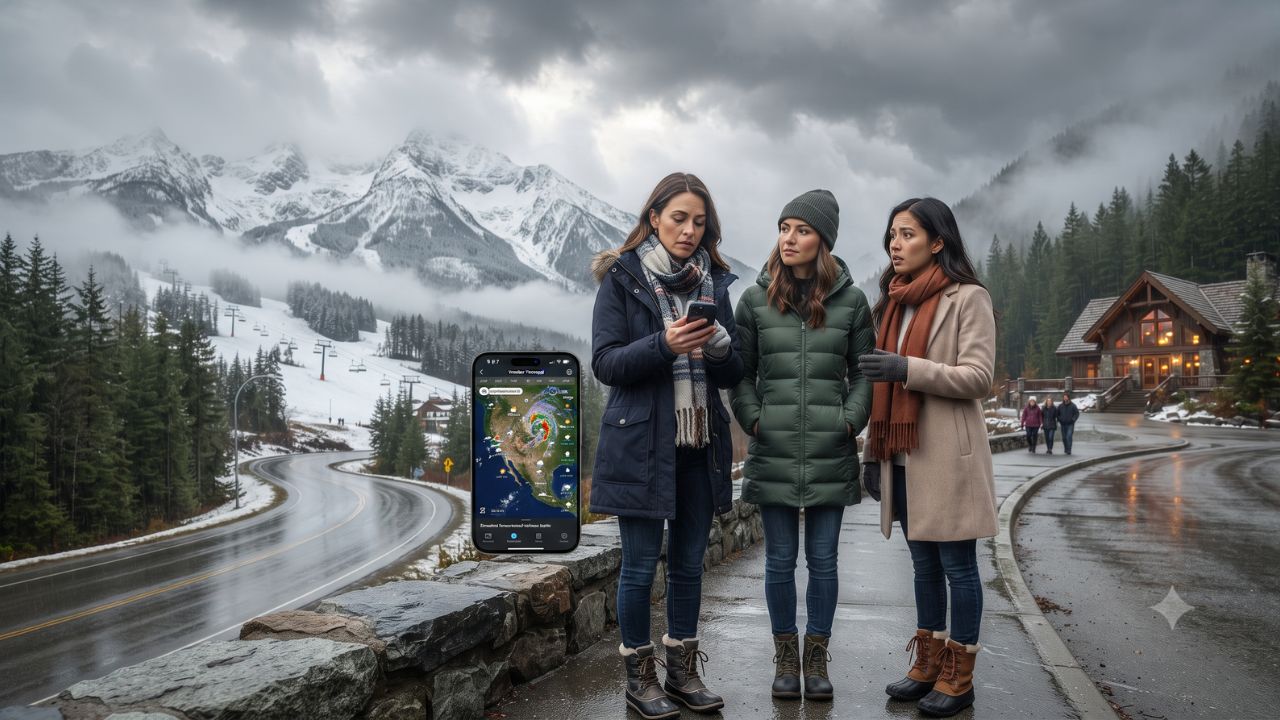
During a powerful El Niño winter, Pacific ocean temperature shifts can dump record snowfall across the American Southwest while starving traditional Canadian ski resorts of base snow—completely upending conventional winter travel planning. As atmospheric jet streams shift across the globe, international holidaymakers face starkly divided weather conditions: severe coastal rains and flash floods in Peru and the Southern United States, contrasted with unseasonable warmth, bushfire smoke, and drought across Australia and Southeast Asia.
Global Weather Divide: Mapping Regional El Niño Travel Impacts
Climate monitoring data from the National Oceanic and Atmospheric Administration and the World Meteorological Organization highlight how the El Niño-Southern Oscillation (ENSO) cycle alters transit conditions across major travel belts:
1. United States and Canada
The southern tier of the US experiences a wetter, storm-heavy winter with frequent ground stops at major flight hubs in Texas, Florida, and Georgia. Conversely, the Pacific Northwest, Upper Midwest, and Canadian ski corridors frequently encounter milder temperatures and delayed early-season snowfall, requiring mountain sports travelers to verify higher-elevation base depths before booking.
2. Mexico and the Caribbean
Pacific storms push into Mexico’s coastal and central highlands, increasing rain delays on coastal vacations, while shifting Atlantic weather patterns bring unpredictable rainfall to Caribbean island cruise routes.
3. Peru and Chile
Coastal Peru and northern Chile face heightened tropical precipitation and river flooding risks, periodically impacting road transit and rail connections toward Andean archaeological parks.
4. Australia and Southeast Asia
In the Western Pacific, El Niño produces hotter, drier conditions. The Australian Bureau of Meteorology monitors elevated bushfire alerts in national parks, while parts of Indonesia, Thailand, and Vietnam manage agricultural haze and dry-season heat waves during peak tourist months.
What Makes an El Niño Winter Season Different
| Continent / Region | Typical Winter Pattern | El Niño Shifted Conditions | Primary Travel Risk & Impact |
|---|---|---|---|
| Southern United States | Moderate, dry winters | Heavy rain & severe thunderstorms | Flight connection ground stops & road flooding |
| Pacific Northwest & Canada | Consistent heavy snowpack | Warmer temps & variable snowfall | Late ski terrain openings & rain on lower runs |
| Coastal Peru & Chile | Arid Pacific coastlines | Heavy downpours & river swelling | Mountain road closures & tour postponements |
| Eastern Australia | Seasonal summer rains | Intense heat & drought patterns | National park fire bans & excursion cancellations |
| Southeast Asia | Stable tropical dry season | Extended dry spells & heat stress | Reduced air quality from agricultural burning |
Visitor Insider Tips: Managing Winter Itineraries
- Target High-Altitude Ski Resorts: When booking winter sports trips during an El Niño year, choose high-elevation resorts in Utah, Colorado, and California's southern Sierra rather than lower-elevation northern or coastal mountains.
- Build 3-Hour Connection Windows at Southern Hubs: With Dallas (DFW), Houston (IAH), and Atlanta (ATL) facing increased severe convective thunderstorms, avoid tight 45-minute flight layovers.
- Check Real-Time Satellite Tracking via NASA: Monitor Pacific storm progressions and tropical moisture plumes using earth observation portals provided by NASA Science.
- Purchase Comprehensive Trip Interruption Coverage: Select travel insurance policies that include specific coverage for weather-induced flight cancellations and natural disaster evacuations.
Cultural and Environmental Context: Fragile Ecosystems and Climate Adaptation
El Niño is a natural climate cycle, but rising baseline temperatures intensify its extremes. In coastal Peru, ancient adobe heritage structures and modern coastal fishing towns face severe erosion from torrential desert rains. In Australia and Indonesia, prolonged dry spells threaten coral reef systems through marine heatwaves and put indigenous wildlife at risk from brushfires.
Responsible travelers can reduce strain on local communities by respecting temporary park closures, conserving municipal water supplies in drought-affected areas, and utilizing public transit networks during severe weather advisories.
FAQ: Visiting Destinations During an El Niño Winter 2026
What causes El Niño weather patterns?
El Niño occurs when sea surface temperatures in the central and eastern tropical Pacific Ocean rise significantly above historical averages, altering global wind currents.
How does El Niño affect ski holidays in North America?
It generally brings higher precipitation to the southern Rockies and Sierra Nevada, while often creating warmer, drier conditions in the Pacific Northwest and Canada.
Are flights in the Southern US more delayed during El Niño?
Yes; increased severe storm activity across the Gulf Coast and southern states can trigger frequent air traffic ground stops and departure delays.
What should travelers watch out for in Peru during El Niño?
Unusually heavy rainfall along the Pacific coast and Andean foothills can cause localized flash flooding and transit delays on rural highways.
Adapting your travel plans to the rhythms of the Pacific ensures that changing weather becomes part of your adventure rather than an obstacle.
Related Travel Guides
Disclaimer
This article is for informational and educational purposes only. It does not constitute legal, financial, or professional advice. While we strive to provide accurate and up-to-date information, travel policies, regulations, and conditions change rapidly. Always verify information with official sources before making travel decisions. Nomad Lawyer makes no representations about the accuracy, reliability, completeness, or suitability of the information provided. Readers should consult qualified professionals for advice specific to their circumstances. The views expressed in this article are those of the author and do not necessarily reflect the views of Nomad Lawyer.
Kunal K Choudhary
Co-Founder & Contributor
A passionate traveller and tech enthusiast. Kunal contributes to the vision and growth of Nomad Lawyer, bringing fresh perspectives and driving the community forward.
Learn more about our team →